
The Hidden Relationship Between Your Crawl Space and Your Energy Bills
When homeowners think about high energy bills, they usually focus on things like their HVAC system, windows, or thermostat settings.
Few people think about the crawl space.
After all, it is hidden beneath the home and rarely seen during daily life.
But the condition of your crawl space can play a surprisingly important role in how efficiently your home operates.
Moisture, humidity, insulation performance, and air movement all begin influencing the living space above. Over time, these factors can affect how hard your heating and cooling systems work to maintain comfortable indoor temperatures.
Understanding the connection between crawl space conditions and energy efficiency can help homeowners see why the environment beneath their home matters more than they might realize.
Your Crawl Space Helps Regulate Indoor Conditions
A crawl space is not isolated from the rest of the house.
The environment below your floors influences the environment above them.
Temperature, humidity, and air movement all interact with the structure of the home.
When crawl space conditions remain stable, the home is generally better able to maintain consistent indoor comfort.
When conditions begin changing due to moisture or humidity, maintaining those same comfort levels often becomes more difficult.
This does not happen overnight.
Instead, the process develops gradually as the crawl space environment becomes less efficient over time.
Moisture Can Reduce Insulation Performance
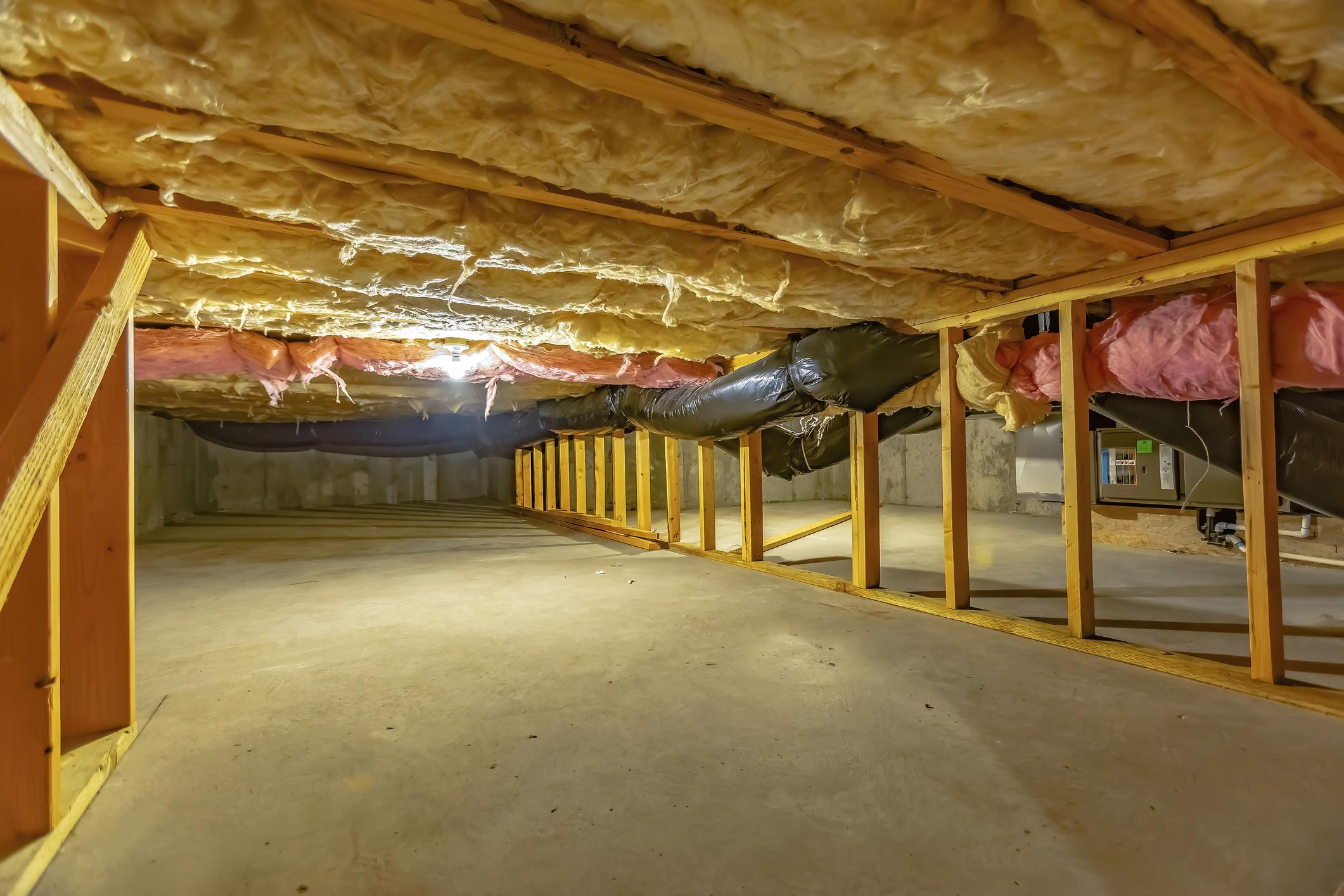
One of the biggest connections between crawl spaces and energy bills involves insulation.
Insulation is designed to slow the transfer of heat between different areas of the home.
When insulation remains dry and intact, it performs efficiently.
However, prolonged exposure to humidity and moisture can affect how well insulation works.
Over time, insulation may:
Absorb moisture from the air
Sag between floor joists
Lose some of its insulating effectiveness
Become less consistent throughout the crawl space
As insulation performance decreases, conditioned air inside the home becomes more difficult to maintain.
Heating and cooling systems often have to work harder to compensate for these changes.
Humidity Can Affect Comfort Levels
Humidity influences how temperatures feel inside a home.
Even when the thermostat remains the same, elevated humidity can make indoor conditions feel less comfortable.
Homeowners may notice:
Rooms feeling warmer during summer months
Air feeling heavier than usual
Uneven comfort levels throughout the house
As a result, it becomes tempting to adjust the thermostat more frequently.
While the temperature itself may not have changed dramatically, humidity can alter how people experience the indoor environment.
The crawl space often plays a role in this process because excess moisture below the home contributes to overall humidity levels.
Air Moves Upward Through the Home
Many homeowners are surprised to learn how much crawl space air can influence indoor air conditions.
Air naturally moves upward.
As this happens, the environment beneath the home can affect the air inside living areas.
When crawl space conditions include elevated humidity, that moisture can contribute to changes throughout the house.
This may influence:
Indoor comfort
Temperature consistency
Overall efficiency
A healthy crawl space helps support a healthier indoor environment.
An unhealthy crawl space often creates challenges that homeowners may not immediately connect to the space beneath their floors.
Small Changes Add Up Over Time
One reason crawl space issues often affect energy efficiency is because the changes happen slowly.
Nothing dramatic may happen at first.
Instead, homeowners experience subtle shifts such as:
Slightly cooler floors
Small comfort differences between rooms
Minor thermostat adjustments
Gradual increases in HVAC usage
Because each change seems small on its own, the connection to the crawl space is easy to miss.
However, over months and years, these factors can combine to create noticeable differences in how efficiently a home operates.
Seasonal Weather Can Magnify the Effects
The Pacific Northwest experiences significant seasonal moisture throughout the year.
Rain, humidity, and changing temperatures all influence crawl space conditions.
When moisture control is limited, seasonal weather can increase the challenges already present beneath the home.
During wetter periods:
Humidity may remain elevated longer
Soil can retain more moisture
Crawl space conditions become less stable
These seasonal shifts can further impact insulation performance and indoor comfort.
The result is often a home that works harder to maintain consistent temperatures.
What a Healthy Crawl Space Looks Like
A healthy crawl space supports energy efficiency by helping create a stable environment beneath the home.
Healthy conditions typically include:
Dry soil and surfaces
Stable humidity levels
Properly functioning insulation
Consistent airflow conditions
No persistent moisture buildup
When these elements remain stable, the home above can often maintain more consistent comfort throughout the year.
The goal is not simply to avoid visible problems.
It is to maintain an environment that supports the performance of the entire home.
Why Homeowners Often Miss the Connection
The relationship between crawl spaces and energy bills is often overlooked because the effects are indirect.
Most homeowners notice:
Higher utility bills
Less consistent comfort
HVAC systems running more often
What they do not immediately see is the environmental change happening underneath the house.
Since crawl spaces are hidden from view, they are rarely the first place people look when trying to understand efficiency problems.
That is what makes this relationship so easy to miss.
Conclusion
Your crawl space plays a larger role in your home's efficiency than many homeowners realize.
Moisture, humidity, insulation performance, and air movement all influence how effectively your home maintains comfortable temperatures.
When crawl space conditions begin changing, those effects often show up through reduced comfort and increased energy use.
A healthy crawl space helps support a stable, efficient home environment.
Understanding this hidden relationship can help homeowners recognize why conditions beneath their home matter just as much as the systems inside it.
