Crawl Space Issues That Often Go Unnoticed in Tacoma Homes
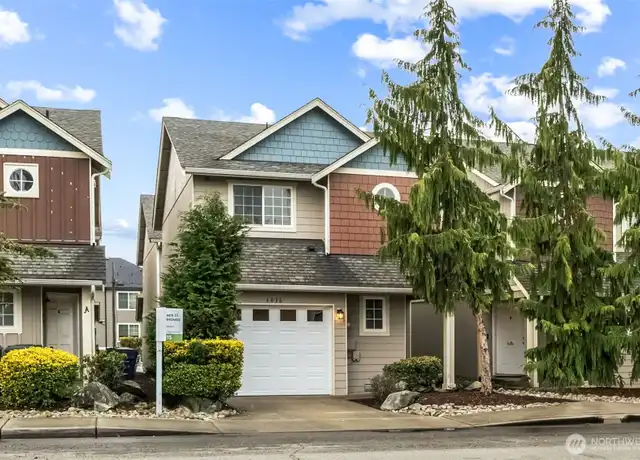
Homes in Tacoma often look solid and well cared for from the outside. Fresh paint, updated interiors, and tidy yards can give the impression that everything beneath the home is just as sound.
But crawl space problems don’t usually announce themselves loudly.
In Tacoma, many crawl space issues develop slowly and quietly — often going unnoticed for years until comfort, air quality, or structural integrity starts to decline. Understanding why these problems are so easy to miss is the first step toward preventing costly repairs later on.
Crawl Spaces Are Out of Sight — and Easy to Ignore
Unlike roofs, siding, or windows, crawl spaces aren’t part of daily life. Most homeowners rarely enter them, and many have never seen their crawl space at all.
Because of that:
Early warning signs go unnoticed
Minor moisture issues seem insignificant
Small changes accumulate over time
Without regular inspections, crawl space conditions can change dramatically while everything above the floor appears normal.

Moisture Problems Don’t Always Look Like Leaks
One of the biggest misconceptions about crawl space damage is that moisture must be obvious to be harmful.
In Tacoma homes, moisture often shows up as:
Damp soil rather than standing water
Condensation on wood or pipes
Subtle musty odors
Slight increases in indoor humidity
Because these signs aren’t dramatic, they’re often dismissed as “normal.” Over time, however, persistent moisture creates conditions that allow mold, wood deterioration, and insulation damage to develop.
Insulation Can Fail Without Falling Down
Insulation problems are another reason crawl space issues go unnoticed.
In many Tacoma homes:
Insulation is still present, but no longer effective
Batts are compressed or moisture-damaged
Gaps allow cold air to move freely
Because insulation doesn’t always visibly collapse, homeowners may not realize it’s underperforming. Instead, they notice indirect symptoms like cold floors or higher energy bills — often assuming the issue lies elsewhere.

Structural Changes Happen Gradually
Structural crawl space issues rarely appear overnight.
Wood rot, settling, and weakening supports usually progress slowly, especially in environments with consistent moisture exposure. Early-stage damage may look minor, but over time it can compromise:
Floor joists and beams
Subfloor stability
Overall structural support
Because these changes happen beneath the home and progress incrementally, they’re easy to overlook until repairs become more involved.
Airflow and Sealing Problems Are Hard to Feel Precisely
Air leaks between the crawl space and living areas don’t always feel like drafts.
Instead, homeowners may notice:
Rooms that are harder to heat or cool
Persistent indoor humidity
Odors that seem to linger
Without seeing the crawl space directly, it’s difficult to connect these symptoms to unsealed vents, gaps, or penetrations below the home.

Older Tacoma Homes Add Another Layer of Complexity
Many Tacoma neighborhoods feature older homes built before modern moisture control, insulation, and ventilation standards were common.
These homes may have:
Original crawl space designs
Aging materials
Limited moisture protection
Inconsistent retrofits over the years
While these homes often have character and charm, their crawl spaces may require closer attention to ensure long-term performance.
Why Inspections Make the Invisible Visible
A proper crawl space inspection brings hidden conditions into focus.
Rather than waiting for obvious damage, inspections help identify:
Moisture patterns before they escalate
Insulation performance issues
Early structural warning signs
Environmental conditions that attract pests
When issues are identified early, solutions tend to be simpler, more effective, and more durable.

Protecting Tacoma Homes Starts Below the Floor
Crawl space problems in Tacoma don’t usually stem from neglect — they stem from invisibility.
By understanding why these issues are easy to miss, homeowners can take a more proactive approach to protecting their homes. Regular evaluations of crawl space conditions help ensure comfort, energy efficiency, and structural stability long before problems become obvious.
