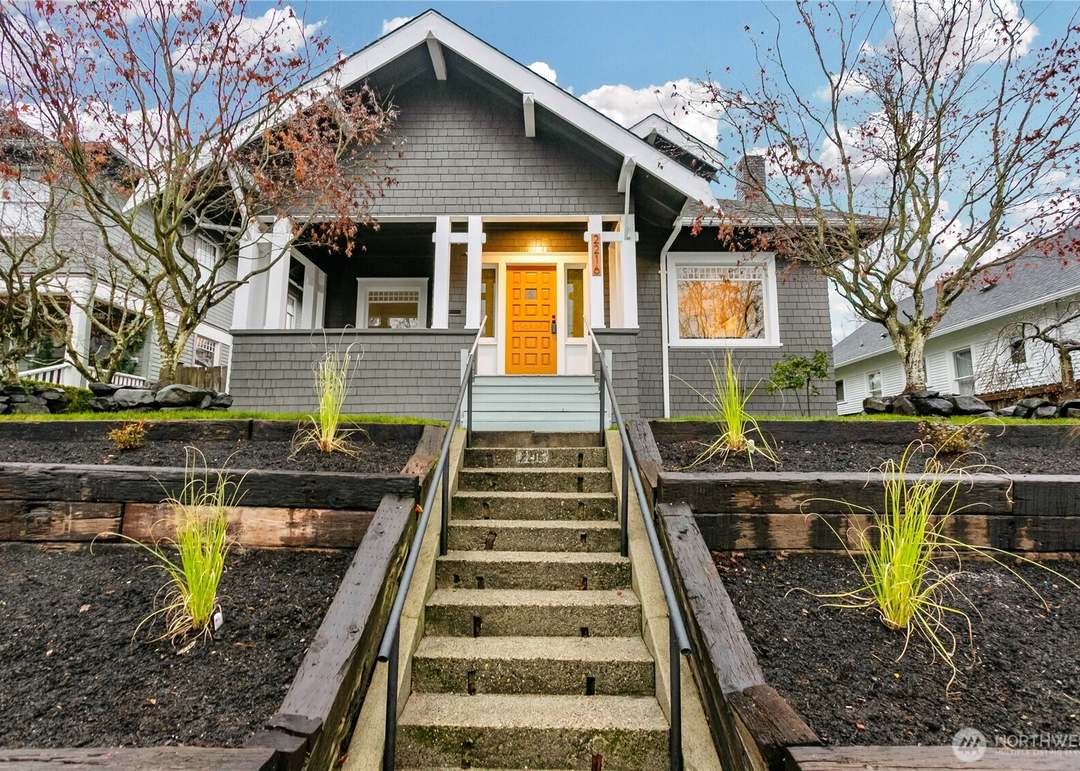
Common Crawl Space Mistakes We See in Tacoma Homes
Homes in Tacoma face unique environmental conditions. With consistent ground moisture, mild temperatures, and aging housing stock across many neighborhoods, crawl spaces often require more attention than homeowners realize.
Because crawl spaces are hidden and rarely accessed, small oversights can quietly develop into long-term comfort, air quality, and structural concerns. Many of the issues we see aren’t dramatic failures — they’re preventable mistakes that build slowly over time.
Below are the most common crawl space mistakes we see in Tacoma homes — and why they matter.
Assuming “No Standing Water” Means No Moisture Problem
One of the biggest misconceptions is that moisture only matters if there is visible pooling water.
In Tacoma, that’s rarely how problems begin.
Because soil in the Pacific Northwest often stays damp for extended periods, crawl spaces may experience:
Persistent ground humidity
Slow evaporation due to mild temperatures
Seasonal soil saturation
Condensation on framing and ductwork
These conditions don’t look urgent. There’s no flooding, no dramatic leaks — just subtle dampness that lingers.
Over time, however, that consistent moisture can:
Weaken wooden framing
Contribute to mold development
Reduce insulation performance
Increase indoor humidity levels
Moisture damage in Tacoma homes is usually gradual, not catastrophic. That’s what makes it easy to overlook.
Ignoring Insulation Performance
Many homeowners assume insulation is fine as long as it’s still physically present.
But insulation performance declines long before it completely falls down.
In Tacoma crawl spaces, we frequently see:
Fiberglass batts compressed against subflooring
Insulation sagging between joists
Sections pulled loose from previous repairs
Moisture-damaged material that no longer insulates effectively
Because the insulation still “exists,” it’s easy to assume it’s doing its job. Meanwhile, homeowners begin noticing:
Colder floors in winter
Rooms that are harder to keep comfortable
Gradually rising energy costs
Insulation doesn’t have to collapse to fail. In Tacoma’s damp climate, even slight moisture exposure can significantly reduce effectiveness over time.
Leaving Foundation Vents Open Year-Round
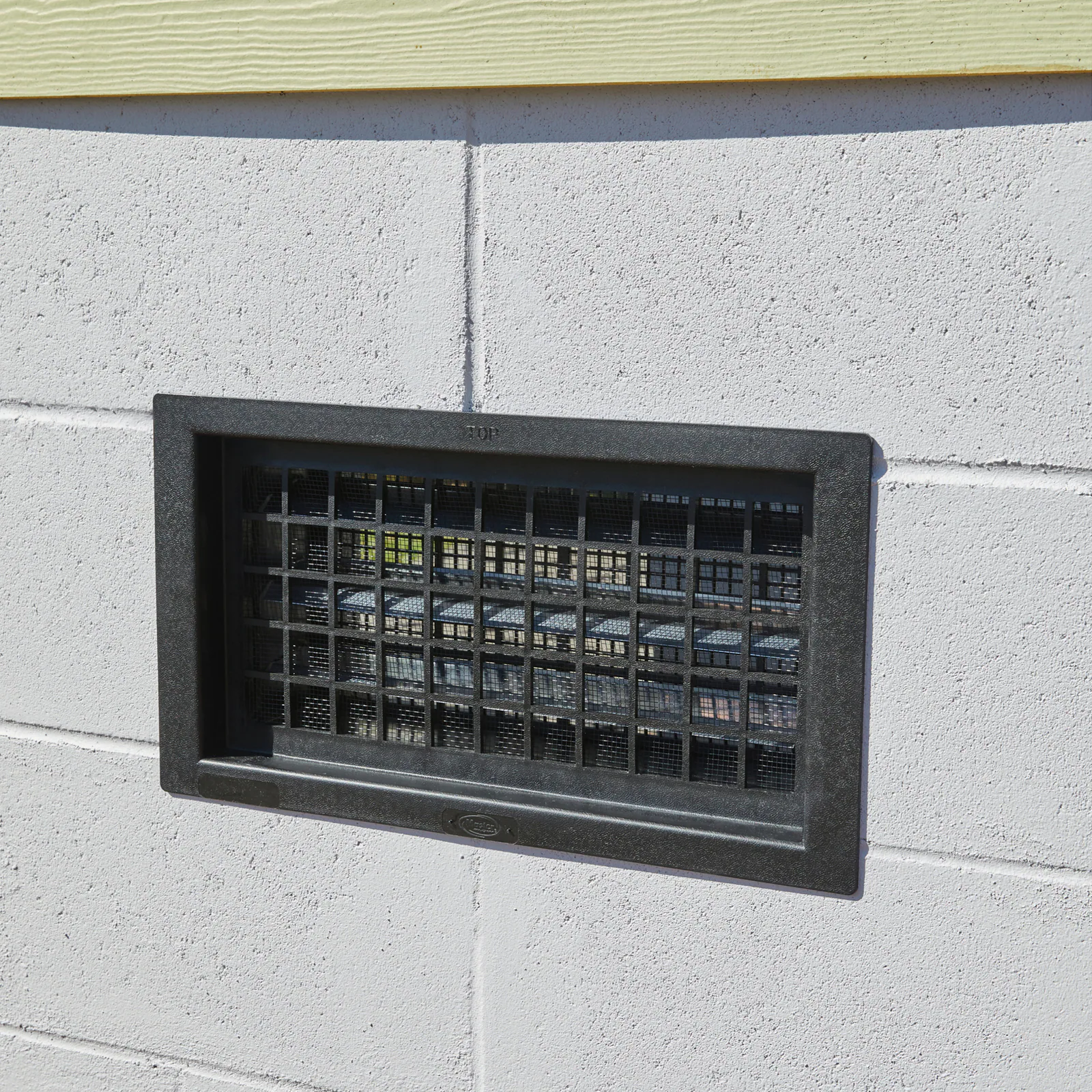
Many older Tacoma homes were built with traditional crawl space vents. The original intent was to allow airflow beneath the home.
However, airflow management is more nuanced than simply leaving vents open at all times.
In Tacoma’s climate, outside air often carries moisture. When that humid air enters the crawl space, it can:
Increase relative humidity beneath the home
Lead to condensation on cooler surfaces
Slow the drying of damp soil
Contribute to long-term moisture exposure
Homeowners sometimes assume “more airflow” equals “less moisture.” In reality, uncontrolled airflow can sometimes worsen conditions, depending on temperature and humidity patterns.
Proper vent management should be evaluated based on the specific crawl space environment, not habit.
Overlooking Drainage Around the Foundation
Drainage issues are one of the most overlooked contributors to crawl space moisture in Tacoma homes.
Common observations include:
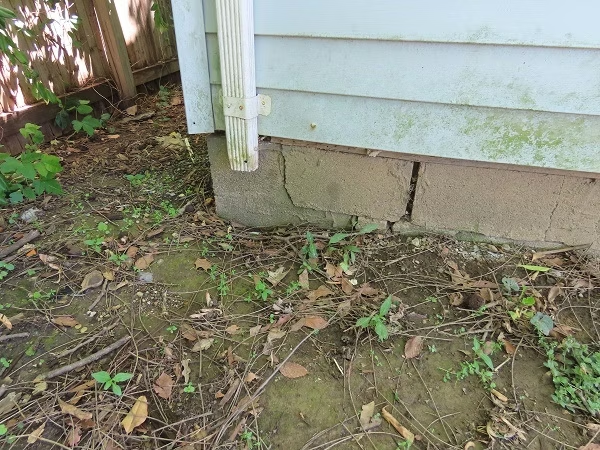
Downspouts that discharge too close to the foundation
Soil that slopes toward the home instead of away
Low spots where water collects after rain
Landscaping that traps moisture near foundation walls
Because Tacoma experiences consistent rainfall throughout much of the year, even minor grading issues can create long-term moisture pressure against the foundation.
This isn’t about dramatic water intrusion — it’s about repeated exposure.
Over months and years, improper drainage can:
Keep soil saturated beneath the crawl space
Increase vapor transmission through the ground
Create persistent damp conditions
Addressing exterior drainage is often one of the most effective preventative steps homeowners can take.
Waiting Until There’s a Major Symptom
Perhaps the most common mistake is waiting for something obvious.
Homeowners tend to evaluate crawl spaces only when they notice:
Strong musty odors
Sagging or uneven floors
Visible mold
High indoor humidity
Significant energy inefficiency
By the time those symptoms appear, underlying issues have often been present for years.
Crawl space problems in Tacoma rarely escalate overnight. They build slowly — moisture here, insulation degradation there, minor airflow imbalance accumulating over time.
Early evaluation tends to be simpler and more cost-effective than late-stage repair.

Treating Symptoms Instead of Causes
Another common mistake is addressing surface symptoms without identifying root causes.
For example:
Replacing insulation without correcting moisture
Running dehumidifiers without evaluating drainage
Sealing vents without assessing airflow patterns
Cleaning mold without addressing humidity levels
Crawl spaces function as systems. Moisture, airflow, insulation, structure, and ground conditions all interact.
If the underlying cause isn’t identified, the same issues often return.
In Tacoma homes especially, moisture patterns are often environmental and structural — not just isolated events.
Assuming Older Homes “Just Have These Issues”
Tacoma has many beautiful older homes. While older construction methods differ from modern standards, crawl space issues are not inevitable.
It’s common to hear:
“That’s just how older homes are.”
“A little dampness is normal.”
“These floors have always been cold.”
While some variation is expected, persistent moisture and insulation failure aren’t simply part of home ownership — they’re conditions that can often be improved.
Understanding what is normal versus what is correctable makes a significant difference in long-term home performance.
Why These Mistakes Are So Common in Tacoma
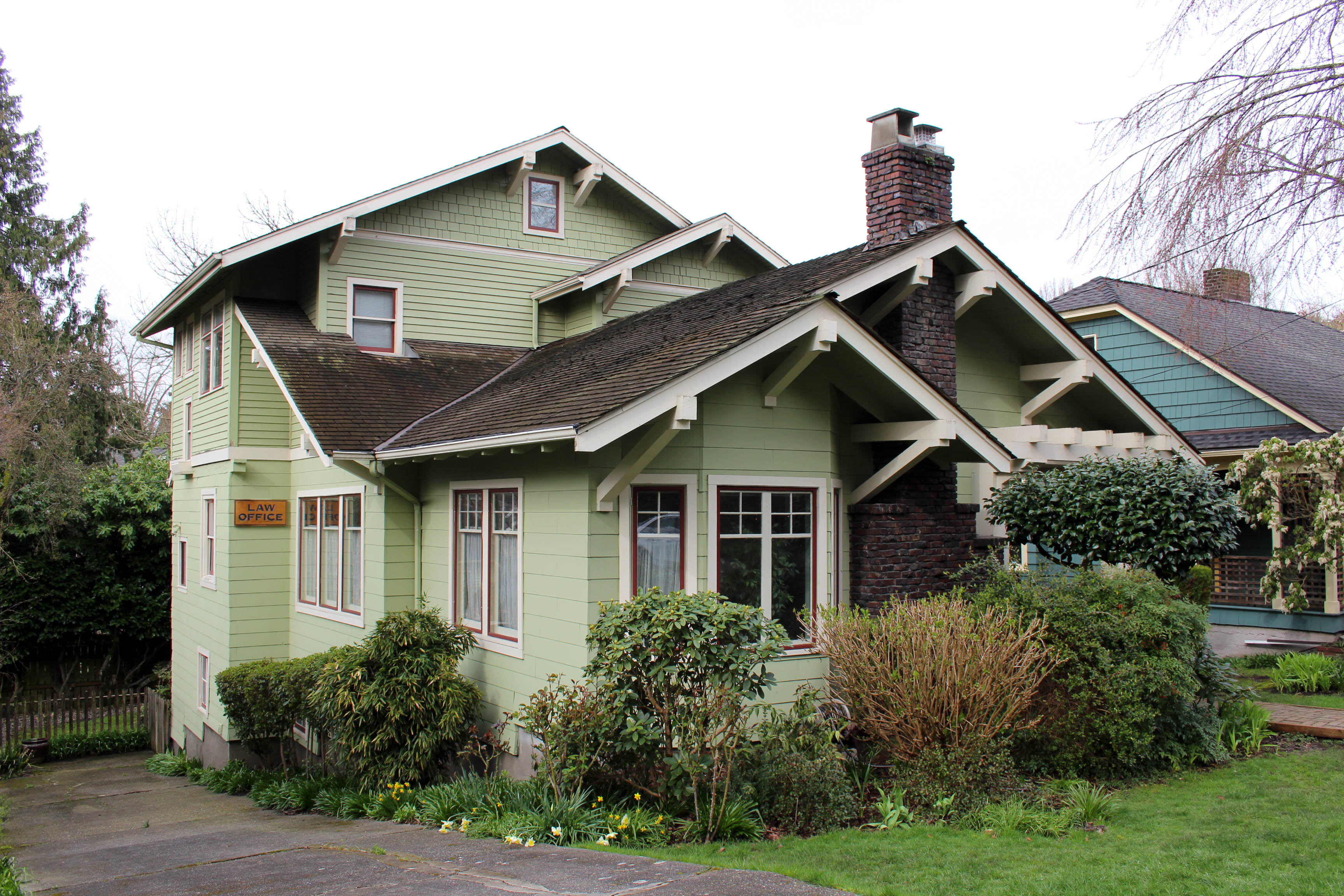
Tacoma homes are often well-built and visually well-maintained above ground. Because crawl spaces are hidden, small environmental changes beneath the home can go unnoticed.
The region’s:
Consistent rainfall
Damp soil conditions
Mild seasonal temperature shifts
Older housing stock
…all contribute to issues that develop gradually rather than dramatically.
Without periodic evaluation, those slow changes can accumulate.
A Proactive Approach Makes the Difference
Crawl space problems in Tacoma rarely begin as emergencies.
They start as small, manageable conditions that become more significant over time.
By:
Evaluating drainage and soil conditions
Monitoring insulation performance
Managing airflow intentionally
Identifying early moisture patterns
Homeowners can protect comfort, efficiency, and structural integrity before visible damage appears.
In Tacoma homes especially, what happens beneath the floor has a direct impact on everything above it.
