
What Happens When Crawl Space Moisture Is Left Untreated?
Crawl space moisture doesn’t usually start as a major problem.
It begins quietly — a little extra humidity, slightly damp soil, or minor condensation that seems harmless at first.
Because crawl spaces are out of sight, these early signs often go unnoticed. And without regular inspection, moisture can sit beneath your home for months — sometimes years — slowly affecting everything above it.
The issue isn’t just the presence of moisture. It’s what happens when that moisture is left untreated.
Over time, even small amounts of dampness can lead to larger problems that impact your home’s structure, air quality, and energy efficiency.
Here’s how that progression typically unfolds.
Stage 1: Moisture Begins to Accumulate
In many homes — especially in the Pacific Northwest — moisture enters the crawl space in subtle ways.
It can come from:
Damp soil beneath the home
Humid outside air entering through vents
Minor plumbing leaks
Poor drainage around the foundation
At this stage, there may be no obvious warning signs.
The air might feel slightly humid, but nothing appears damaged. Because the changes are gradual, it’s easy to assume everything is fine.
However, this is the point where conditions begin to shift.
Even small increases in moisture can raise humidity levels, setting the stage for future issues.
Stage 2: Insulation Starts to Break Down
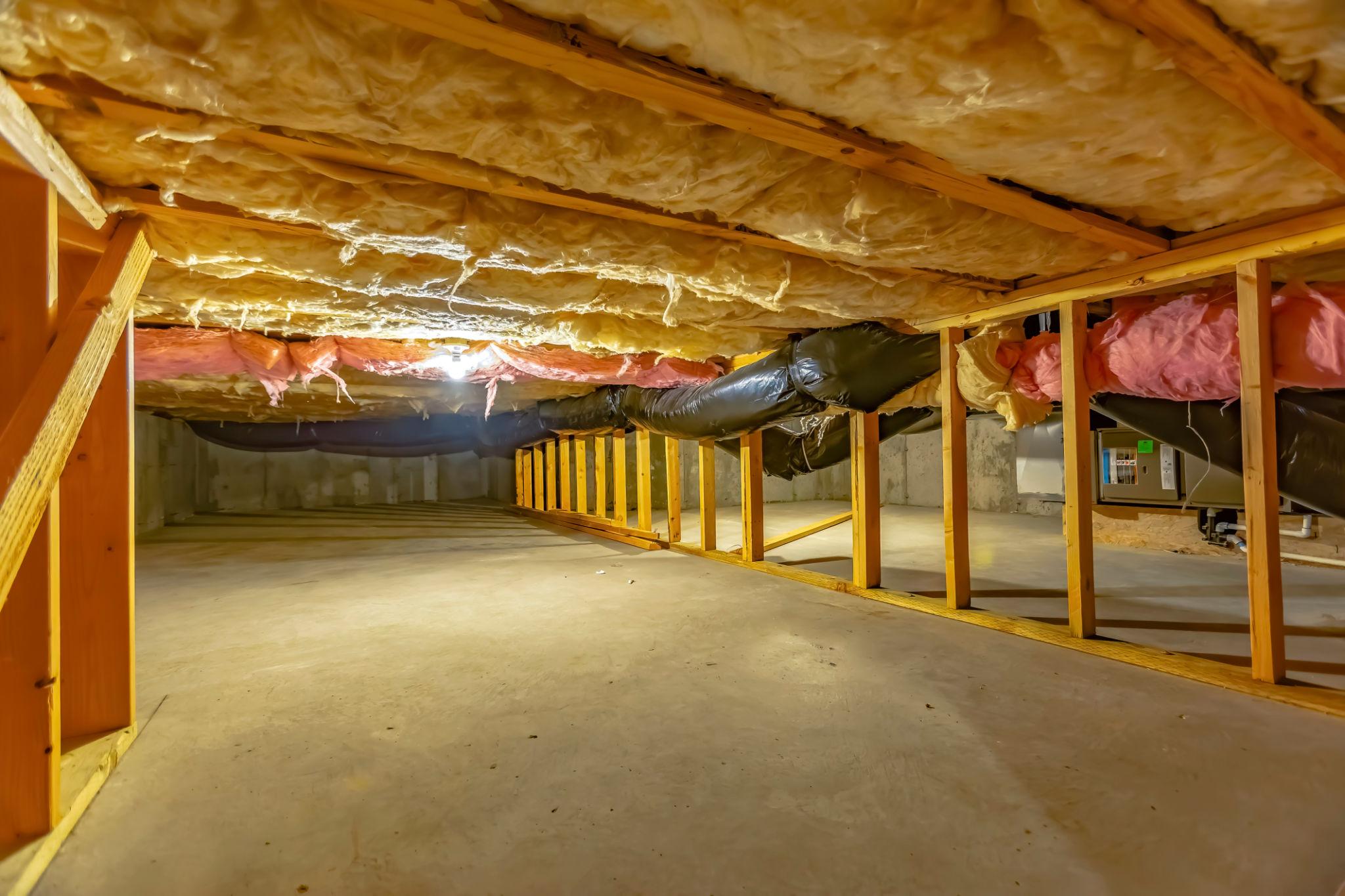
As moisture levels rise, insulation is often one of the first things affected.
Crawl space insulation is designed to regulate temperature — but it relies on staying dry to work properly.
When exposed to moisture, insulation can:
Absorb humidity and become heavy
Begin to sag or fall out of place
Lose its ability to insulate effectively
At this stage, homeowners may start noticing:
Colder floors in the winter
Slight drafts
Increased energy usage
Even though the problem is below the home, the effects begin to show inside.
Stage 3: Air Quality Begins to Decline
One of the most overlooked effects of crawl space moisture is how it impacts the air inside your home.
Through a natural process known as the stack effect, air from the crawl space rises upward into your living space.
If that air is damp, it can carry:
Musty odors
Mold spores
Excess humidity
At this point, you might notice:
A persistent musty smell
Increased indoor humidity
Allergy-like symptoms
Even though the crawl space is hidden, its conditions are now affecting daily comfort.
Stage 4: Mold and Organic Growth Develop
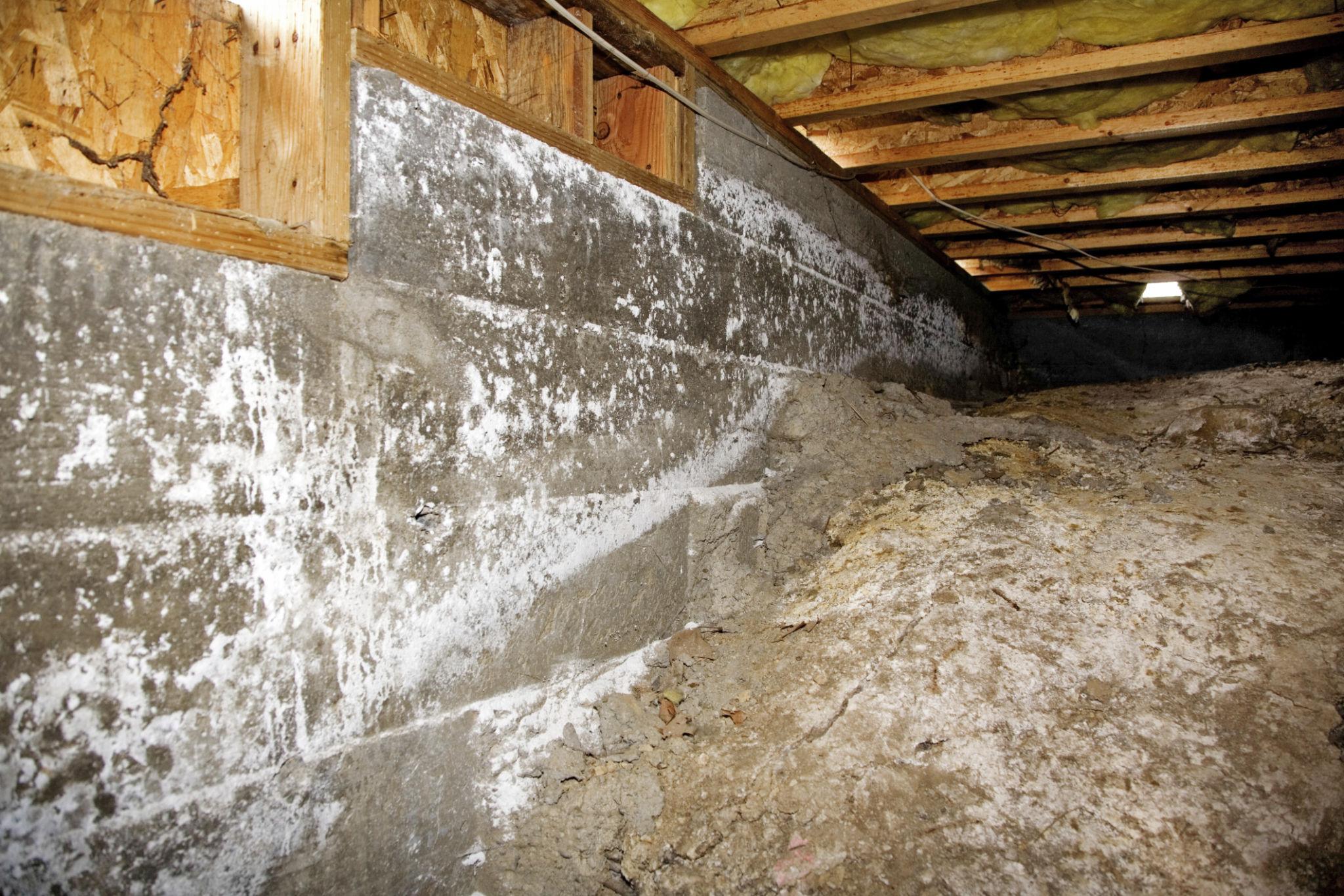
As moisture continues to build, the environment becomes ideal for mold growth.
Crawl spaces often contain organic materials like:
Wooden framing
Subflooring
Dust and debris
When combined with consistent moisture, these materials create the perfect conditions for mold and mildew.
This stage may include:
Visible discoloration on wood surfaces
Stronger odors
Continued decline in air quality
Once mold begins to grow, the problem becomes more difficult to manage and can spread over time.
Stage 5: Structural Materials Begin to Deteriorate
Over time, prolonged exposure to moisture can affect the structural components of your home.
Wood that stays damp for extended periods may begin to:
Weaken
Warp
Develop rot
This doesn’t happen overnight — but it happens gradually and often without immediate visibility.
Left untreated, these conditions can compromise:
Floor support systems
Subfloor integrity
Overall structural stability
At this stage, repairs can become significantly more involved.
Stage 6: Conditions Attract Pests
Moist environments are highly attractive to pests.
Rodents, insects, and other unwanted intruders are drawn to crawl spaces that offer:
Shelter
Warmth
Moisture
Once pests enter, they can:
Damage insulation
Leave behind contamination
Create additional pathways into the home
What started as a moisture issue can now expand into a pest problem as well.
Why Moisture Doesn’t Resolve on Its Own
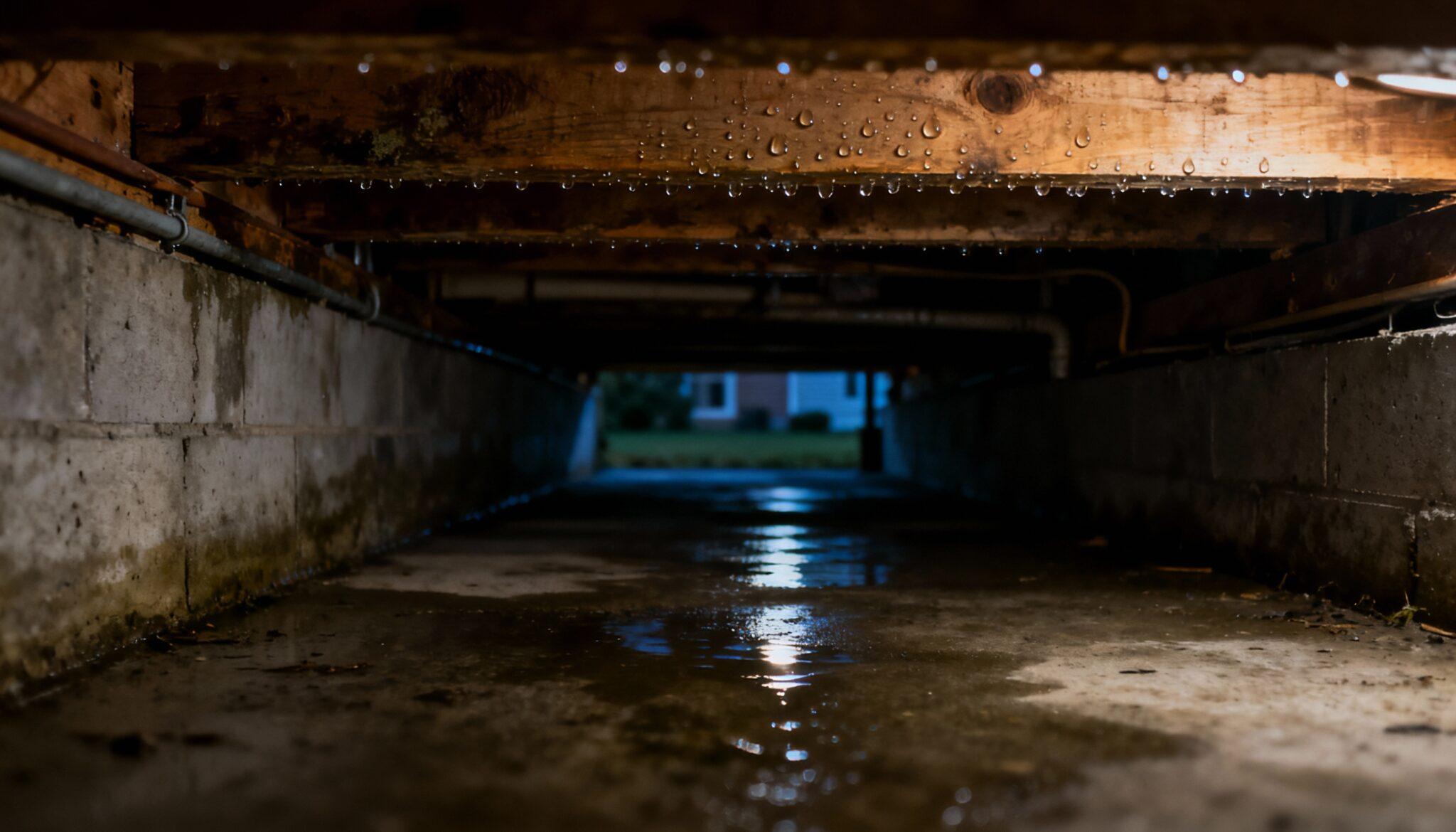
One of the biggest misconceptions about crawl spaces is that moisture will eventually dry out on its own.
In reality, crawl spaces tend to hold moisture — especially in climates with consistent humidity.
Without proper control, moisture can:
Remain trapped beneath the home
Continue cycling through the air
Gradually worsen over time
This is why early intervention matters.
Addressing moisture at the beginning stages is much easier than dealing with the long-term effects.
Conclusion
Crawl space moisture doesn’t need to be severe to cause problems.
It often starts small — but when left untreated, it can lead to a chain reaction that affects insulation, air quality, structural materials, and even pest activity.
Because these changes happen gradually, they’re easy to overlook until the effects become more noticeable inside the home.
A healthy crawl space should remain dry, stable, and controlled.
Understanding how moisture progresses makes it easier to recognize early signs — and prevent small issues from turning into larger ones over time.
