Why Crawl Space Problems Often Develop Slowly Before You Notice Them
Most homeowners would notice a burst pipe, standing water, or a major plumbing leak right away. Crawl space problems are often different.
Changes beneath a home can develop quietly over weeks, months, or even years. A small amount of moisture may begin affecting one area. Insulation can gradually shift. Wood may slowly respond to changing humidity. Drainage around the property can change with the seasons.
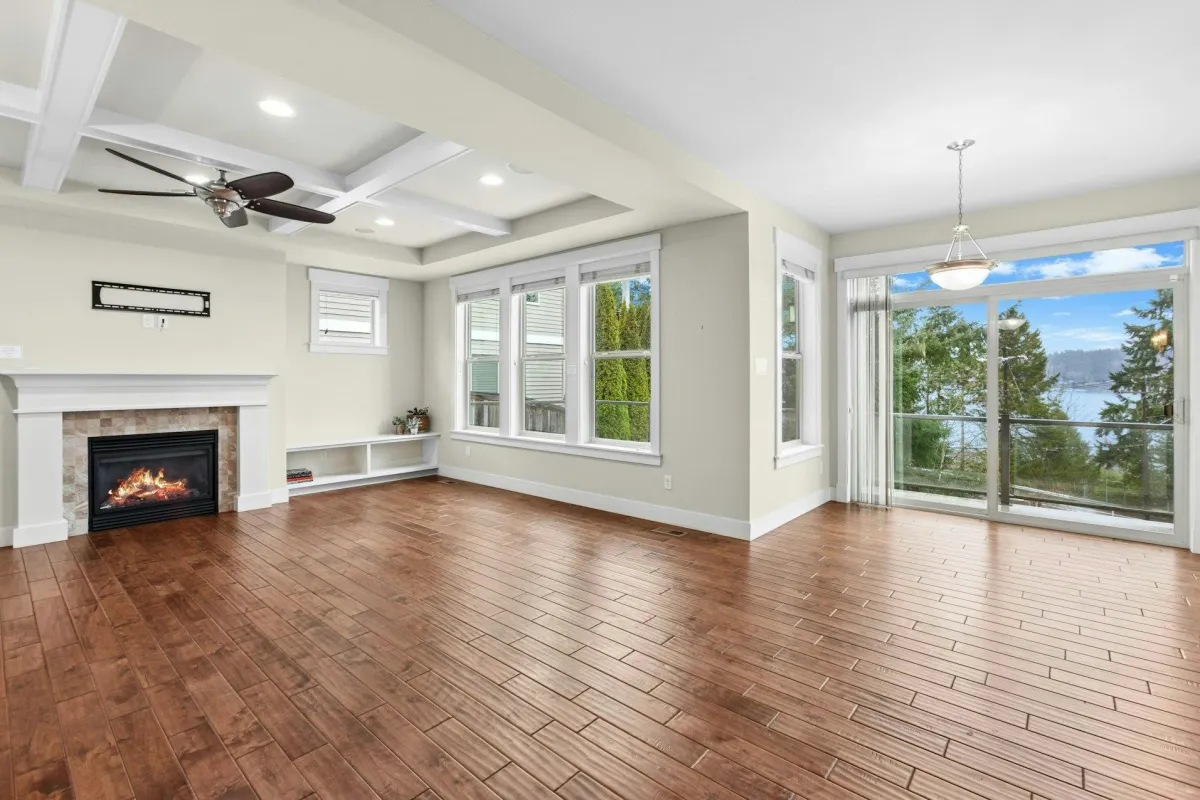
Meanwhile, everything inside the home may continue to look completely normal.
That is what makes crawl spaces easy to overlook. Problems do not always begin with an obvious warning sign. Often, they start with small changes that become easier to recognize only after they have been happening for some time.
Understanding how these gradual changes develop can help homeowners see the crawl space as an important part of the home's overall environment.
Crawl Spaces Are Constantly Changing
A crawl space may appear quiet and inactive, but its environment is never completely static.
Outdoor temperatures rise and fall. Rain changes the moisture content of the soil around the foundation. Indoor plumbing carries water above and through the space. Humidity changes throughout the year, and airflow can vary depending on weather and conditions around the home.
Each individual change may seem insignificant.
The important factor is what happens when those conditions continue or repeat over time.
Several rainy days may not create an obvious problem. However, repeated periods of elevated ground moisture can gradually influence humidity beneath the home. A small insulation gap may initially seem minor, but it can become more noticeable if additional insulation begins to shift nearby.
Crawl space health is often about patterns rather than one isolated event.
Moisture Does Not Always Arrive as Standing Water
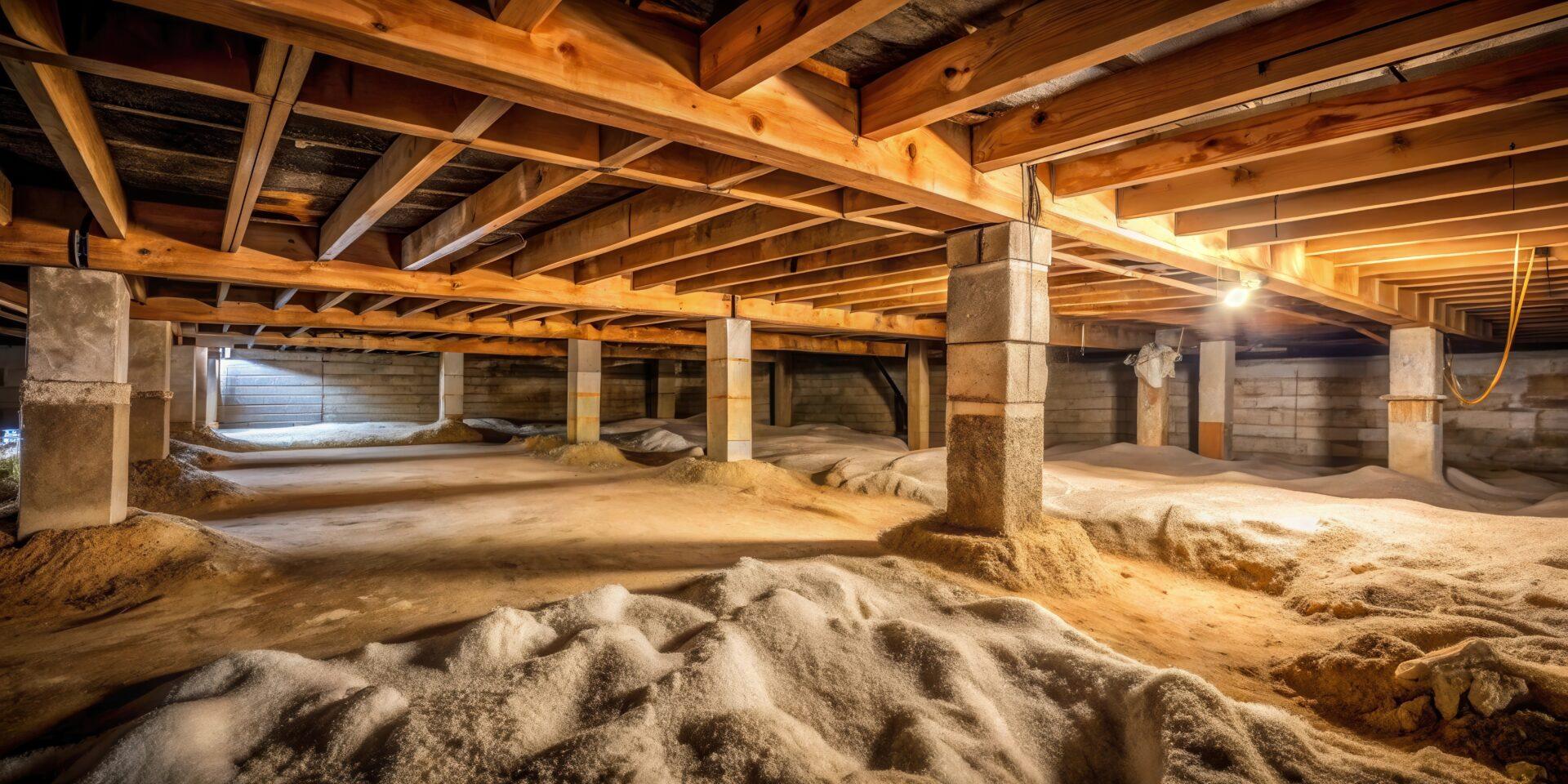
One of the biggest misconceptions about crawl spaces is that moisture problems must involve visible water.
They do not.
Moisture can enter or influence a crawl space in much subtler ways. Damp soil, humid outdoor air, drainage near the foundation, condensation, or a very small plumbing leak can all change conditions without creating a puddle.
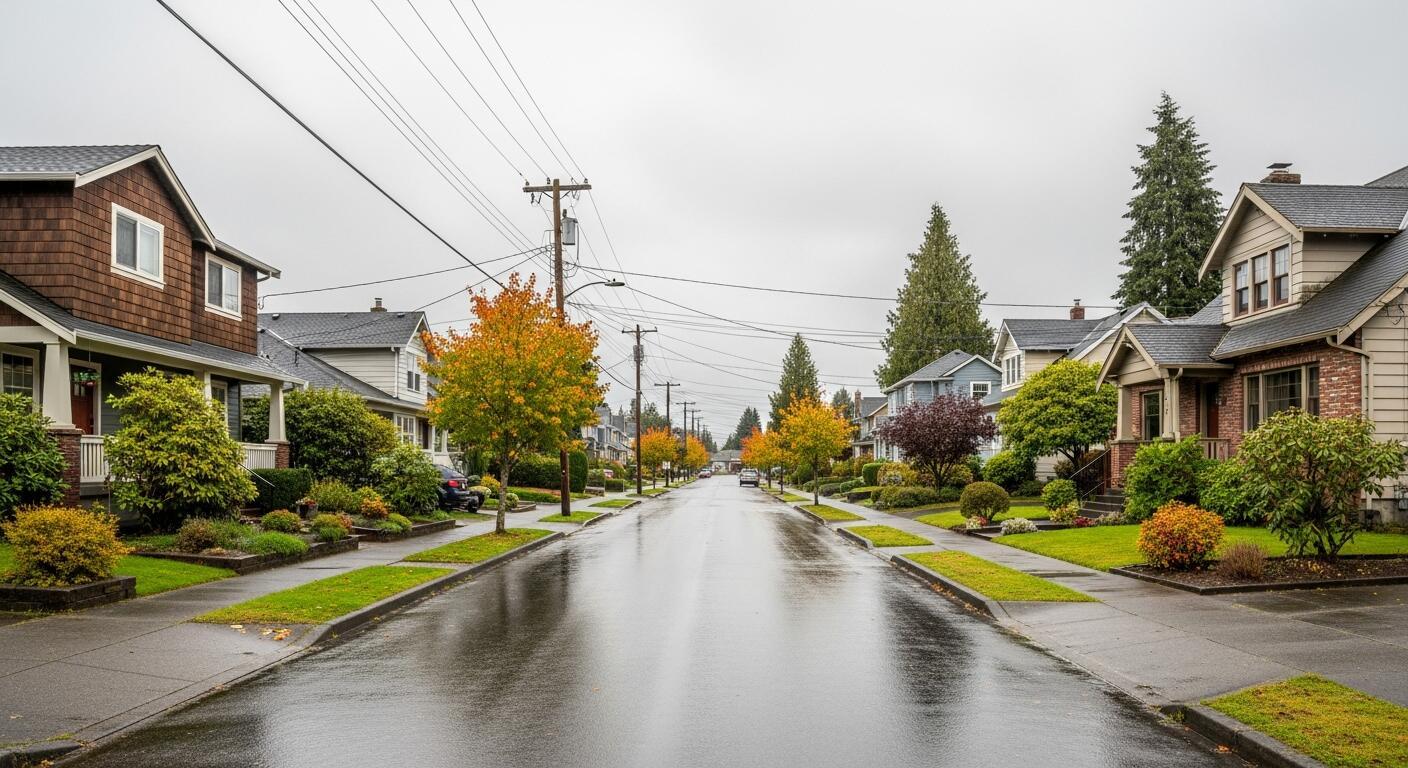
This is particularly important in the Pacific Northwest, where extended periods of wet weather can keep soil around a home damp long after the rain stops.
A crawl space may therefore look relatively dry while still experiencing elevated moisture or humidity.
Over time, those conditions can affect insulation, wood framing, and other materials beneath the home.
The absence of standing water is good, but it does not necessarily tell the entire story.
Insulation Can Change a Little at a Time
Insulation beneath the floor is another good example of a gradual crawl space change.
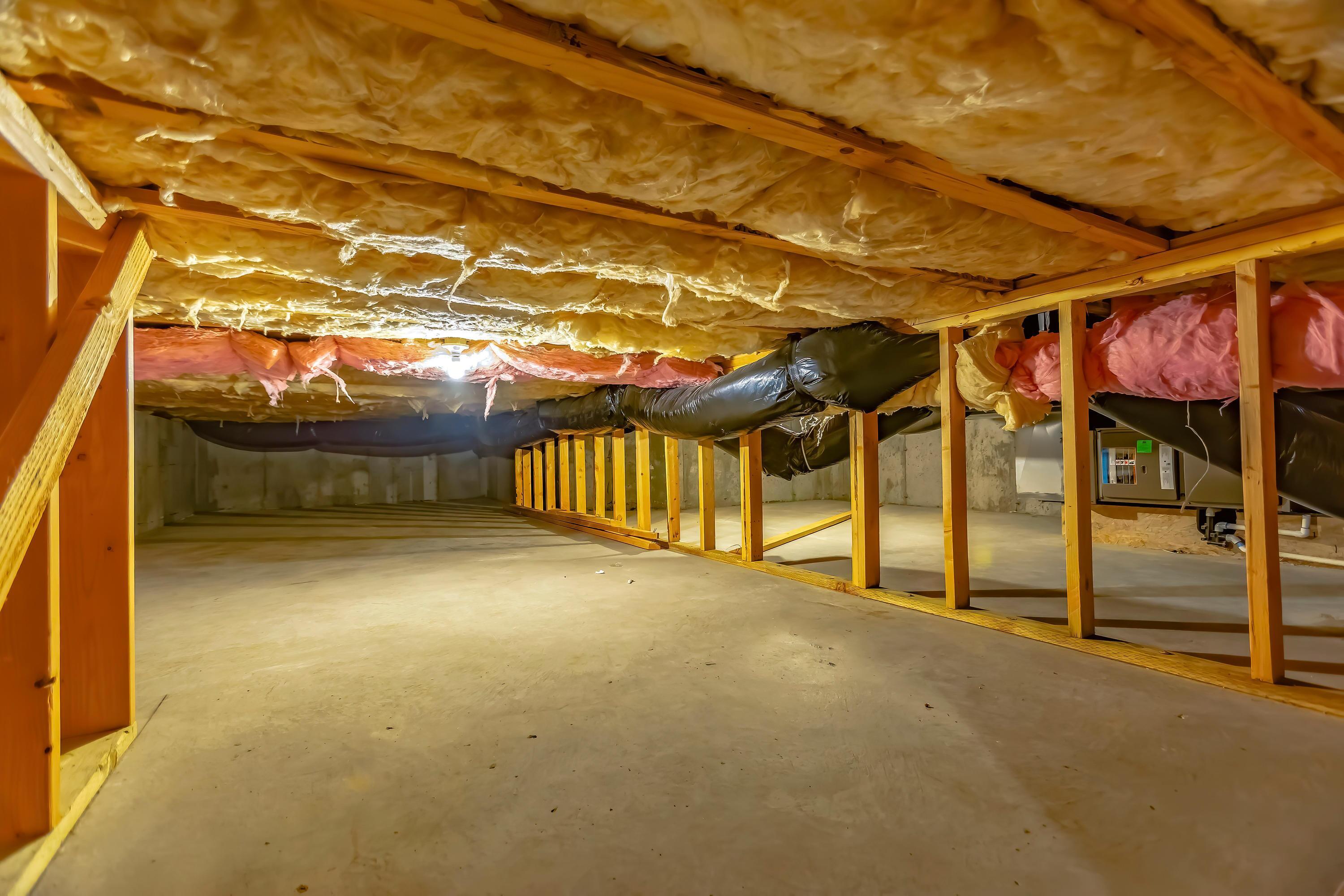
When properly positioned, insulation helps separate the conditioned living space from the environment below. But insulation does not always remain exactly as it was originally installed.
Sections can slowly sag or shift. Small gaps may appear. Material around plumbing, wiring, or ductwork may sit differently from insulation in open areas.
Humidity and moisture can also influence how certain insulation materials perform over time.
These changes may happen slowly enough that homeowners never notice anything dramatic upstairs.
Instead, a floor might begin to feel slightly cooler during winter, or one room may become a little harder to keep comfortable.
Those subtle differences can be easy to attribute to weather, windows, or the heating system, which is why the crawl space may not immediately come to mind.
Wood Can Hold a Record of Past Conditions
The wood beneath a home can provide useful clues about what the crawl space has experienced.
Floor joists, beams, and subflooring are exposed to the crawl space environment year after year. Changes in moisture and humidity can sometimes leave visible patterns on those materials.
Discoloration, staining, or differences between sections of wood may provide context about previous conditions.
Not every mark means there is an active problem. Wood naturally varies in color and appearance, and older homes often show signs of previous repairs or normal aging.
What matters is understanding the larger pattern.
A small change in one isolated area may mean something very different from widespread changes throughout the floor system.
This is another reason crawl space conditions are best evaluated as a whole rather than from a single photograph or quick glance.
Small Plumbing Issues Can Stay Hidden
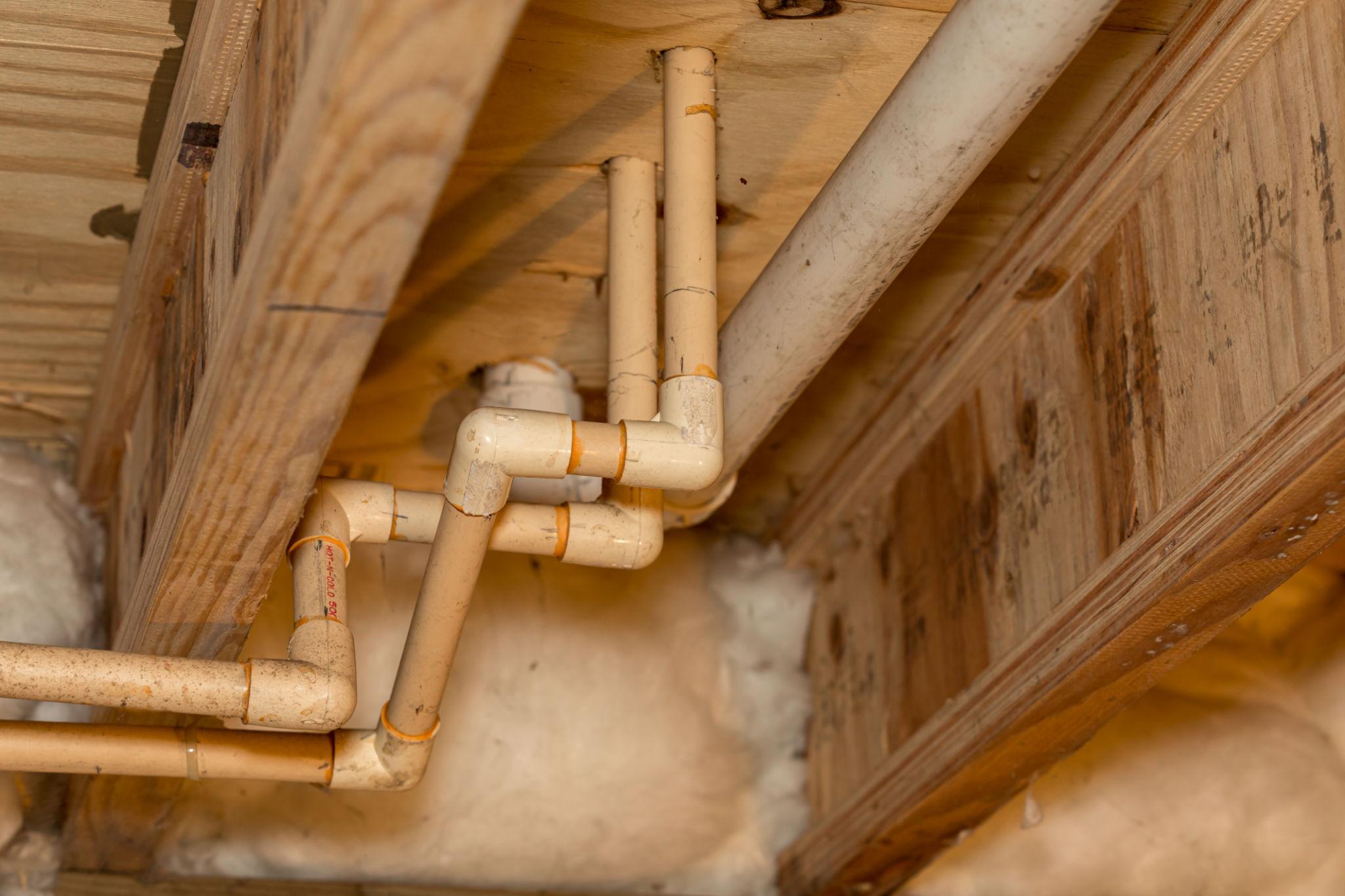
Plumbing often runs through crawl spaces, especially beneath kitchens, bathrooms, and utility areas.
A major leak is usually easy to recognize. A very small leak can be much quieter.
A slow drip or minor plumbing issue may affect only a limited section of the crawl space at first. Because the area is out of sight, the moisture may remain unnoticed until surrounding materials begin showing changes.
The rest of the crawl space might still look completely dry.
This localized nature of moisture is important. Conditions beneath the bathroom may be different from those beneath the living room, even though both areas are part of the same crawl space.
Looking only near the crawl space entrance can therefore provide an incomplete picture of what is happening underneath the home.
Changes Around the Yard Can Develop Gradually Too
Not every crawl space change begins inside the house.
The property surrounding the foundation also plays a role.
Soil can settle. Gutters can begin directing water differently. Downspouts may discharge closer to the foundation than they once did. Landscaping can change as plants mature, and drainage patterns can gradually shift.
None of these changes necessarily creates an immediate crawl space problem.
However, they can influence how water moves around the property.
After repeated periods of rain, one side of the foundation may remain wetter than another. That can contribute to different conditions along the crawl space perimeter.
This is why the area around the home and the space beneath it should not be thought of as completely separate environments.
Seasonal Patterns Can Hide Gradual Changes
Crawl space conditions often fluctuate with the seasons.
During wetter months, soil moisture may increase. Cooler temperatures can change how surfaces and insulation behave. During warmer months, outdoor humidity and airflow may become more important.
Because these patterns repeat every year, gradual changes can be difficult to recognize.
A homeowner may notice that one floor feels cool every winter and assume that is simply how the house behaves. A faint musty smell may appear during wet weather and disappear when conditions become drier.
When something comes and goes seasonally, it is easy to accept it as normal.
Sometimes it is normal. Other times, a repeating seasonal pattern can provide useful information about what is happening beneath the home.
Why Problems Are Easy to Miss From Upstairs
One reason crawl space changes can progress unnoticed is simple: homeowners spend their time above the floor, not beneath it.
Inside the house, everything may look normal.
The flooring can appear clean. Walls can look dry. Furniture and finishes may show no obvious changes. Heating and cooling systems may continue operating normally.
The crawl space, however, is experiencing its own environment underneath all of this.
That separation creates a delay between when conditions begin changing and when homeowners recognize them.
By the time something becomes obvious upstairs, the underlying condition may have been developing for quite some time.
This does not mean every small comfort change or unusual smell indicates a crawl space problem. It simply means the hidden areas of a home deserve consideration when trying to understand changes elsewhere in the property.
Consistency Is Often More Important Than Perfection
A healthy crawl space does not need to look like a showroom.
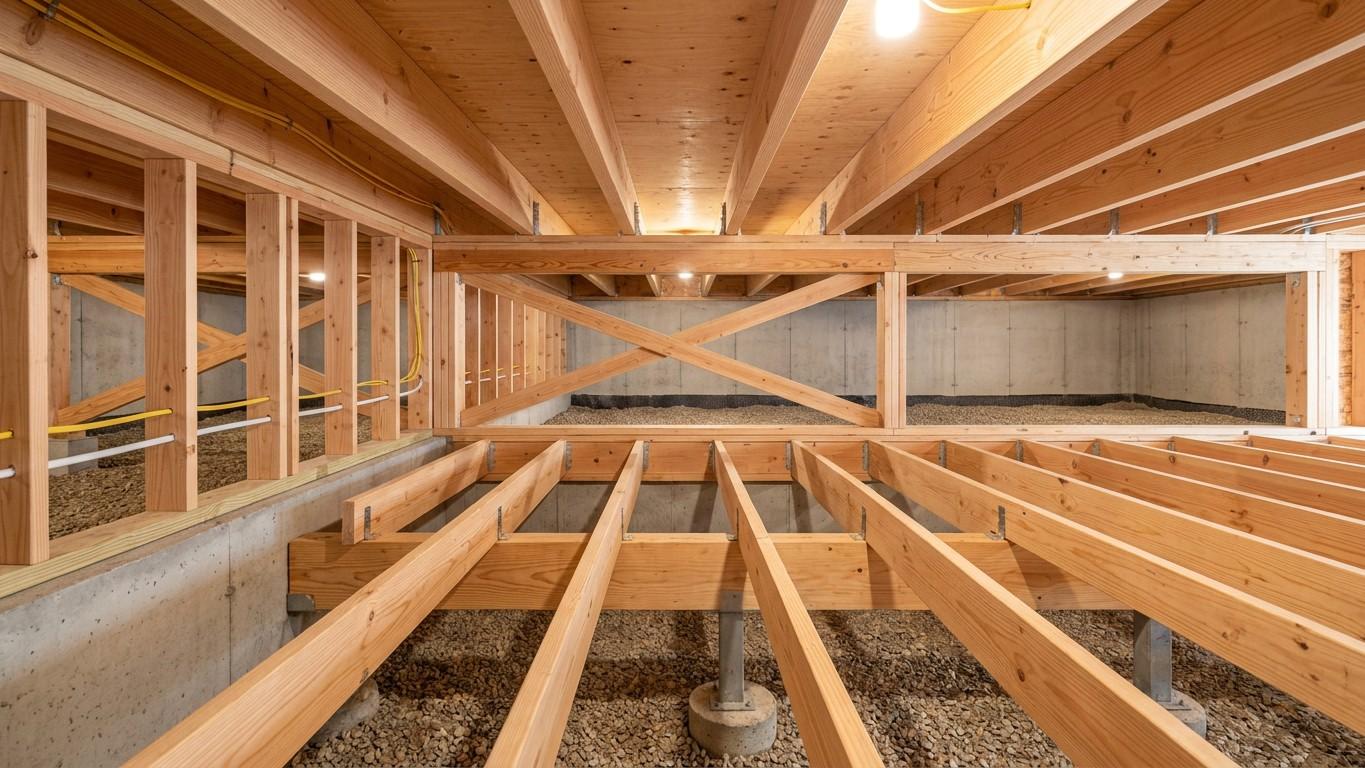
Real crawl spaces contain wood framing, plumbing, wiring, insulation, soil, foundation walls, and years of normal home activity.
What matters more is consistency.
Ground conditions should remain reasonably controlled. Insulation should stay appropriately positioned. Wood should not show rapidly changing moisture patterns. Plumbing areas should remain dry, and conditions should not vary dramatically from one section to another without an identifiable reason.
Stable conditions are generally easier on the materials beneath a home than repeated swings between wet and dry or warm and humid.
This is why gradual change deserves attention.
The goal is not perfection. It is maintaining an environment beneath the home that remains predictable and stable over time.
Paying Attention to the Small Changes
Crawl space problems do not always announce themselves.
Sometimes the earliest clues are surprisingly ordinary.
A section of insulation looks slightly different than before. One area of soil appears darker. A floor feels cooler during certain months. A faint odor appears after prolonged rain. Wood near one part of the foundation looks different from wood elsewhere.
Any one of these observations may have a simple explanation.
But together, or when they continue changing over time, they can help tell a larger story.
Paying attention to patterns makes it easier to understand how the crawl space is responding to weather, moisture, drainage, plumbing, and the rest of the home.
Conclusion
The most noticeable crawl space problems often begin with changes that are anything but noticeable.
Moisture can accumulate gradually. Insulation can shift a little at a time. Wood can respond slowly to changing humidity. Plumbing issues can remain localized, and drainage patterns around the foundation can evolve over several seasons.
All of this can happen while the rooms upstairs continue looking perfectly normal.
That is why understanding a crawl space is less about waiting for one dramatic warning sign and more about recognizing how conditions change over time.
A stable crawl space supports the structure, insulation, flooring, and living spaces above it. By paying attention to small changes before they become obvious ones, homeowners can develop a clearer picture of what is happening beneath their home.
