
The Difference Between a Damp Crawl Space and a Healthy One
Most homeowners don’t think about their crawl space until something feels off.
Maybe the air inside the home feels slightly humid. Maybe there is a faint odor that comes and goes. Or certain areas of the floor never feel quite right.
In many cases, the source of these issues is not inside the home at all. It is underneath it.
The challenge is that crawl spaces often look similar at a glance, even when conditions are very different. A damp crawl space and a healthy one can appear almost identical unless you know what to look for.
Understanding the difference is what helps homeowners recognize early signs and maintain a more stable environment over time.
What Defines a Damp Crawl Space
A damp crawl space does not always have standing water.
In fact, most moisture problems begin without anything dramatic happening. Instead, conditions slowly shift.
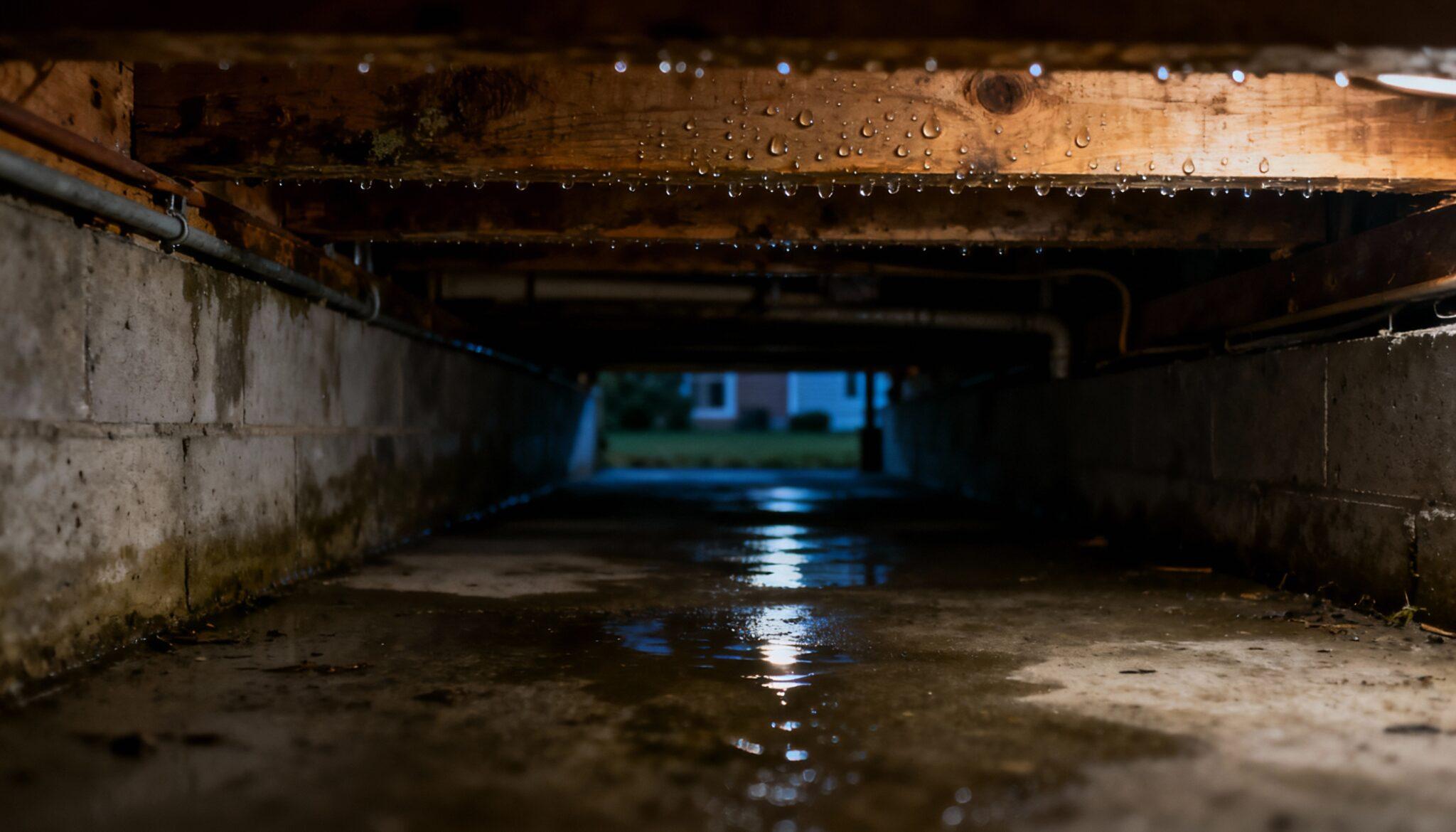
A damp crawl space often includes:
Soil that feels slightly wet or darker in color
Air that feels humid or heavy
Subtle signs of condensation on surfaces
A mild musty odor that comes and goes
These changes may seem minor, but they indicate that moisture is present and not being properly controlled.
Over time, this environment creates the conditions for other issues to develop.
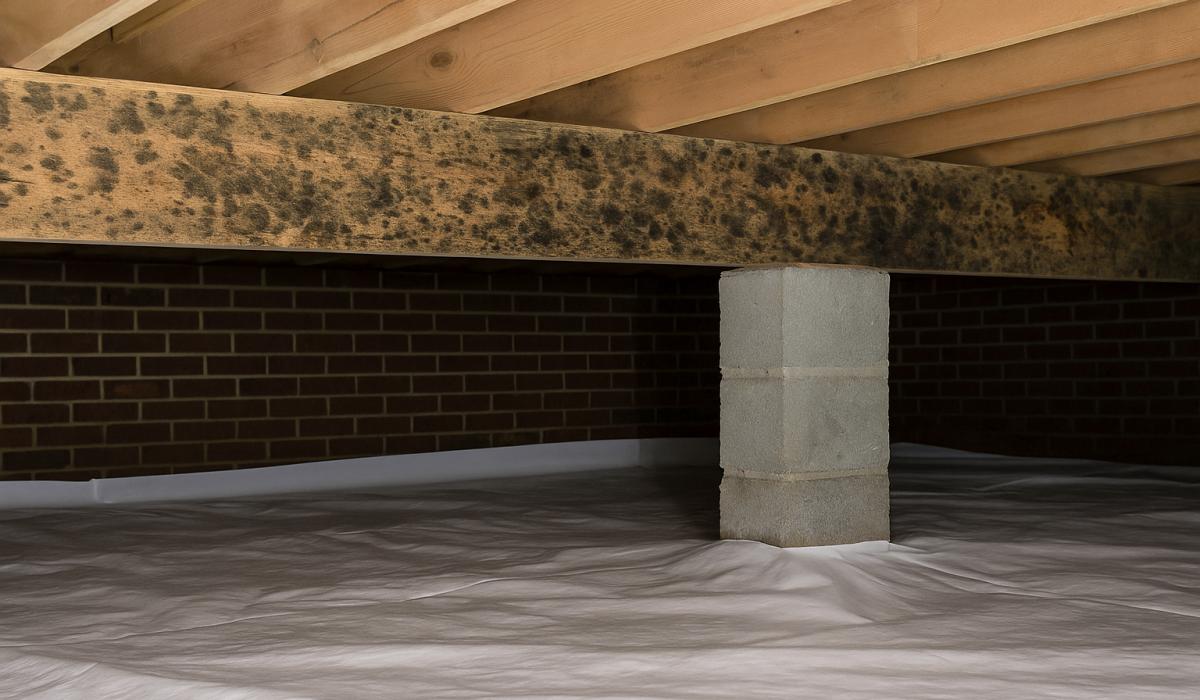
What Defines a Healthy Crawl Space
A healthy crawl space is not just dry for a short period. It is consistently controlled.
The space should feel stable, with no noticeable humidity or moisture.
A properly maintained crawl space typically has:
Dry soil with no damp or dark patches
Clean air with no noticeable odor
Proper ground coverage such as a vapor barrier
Insulation that is intact and unaffected by moisture
Everything in the space should look and feel consistent.
When moisture is managed correctly, the crawl space supports the home instead of working against it.
Key Differences in Moisture Levels
The most important difference between a damp and healthy crawl space comes down to moisture.
In a damp crawl space, moisture is present in the air, the soil, or both. It may not be obvious at first, but it is enough to raise humidity levels over time.
In a healthy crawl space, moisture is controlled at the source.
This means:
Ground moisture is blocked or reduced
Humidity does not build up in the air
Surfaces remain dry even during seasonal changes
The goal is not just to remove water. It is to prevent conditions where moisture can accumulate in the first place.
Differences in Insulation Condition
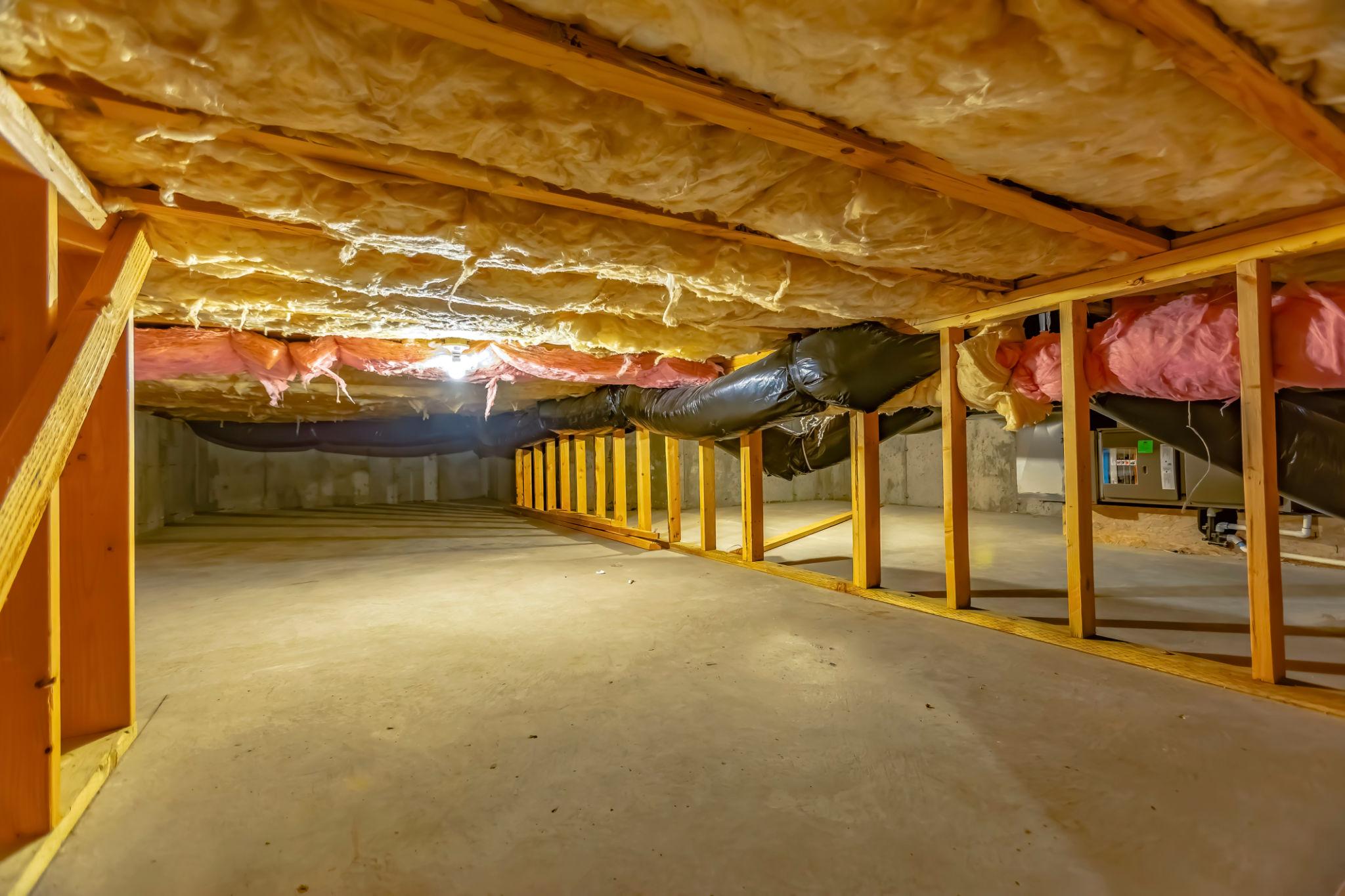
Insulation often reveals what is happening in a crawl space.
In a damp environment, insulation may begin to:
Sag or pull away from the floor above
Absorb moisture and feel heavy
Lose its ability to regulate temperature
Even small changes in insulation can affect how your home feels.
In a healthy crawl space, insulation remains:
Dry
Securely in place
Evenly distributed between joists
When insulation stays in good condition, it helps maintain consistent indoor comfort.
Differences in Air Quality
Air quality is one of the most noticeable differences, even if it is not immediately obvious where the issue is coming from.
Air from the crawl space naturally moves upward into the home.
In a damp crawl space, that air can carry:
Moisture
Odors
Particles that affect comfort
This often results in:
Slight indoor humidity
Musty smells
A feeling that the air is not as fresh
In a healthy crawl space, the air remains clean and dry.
As a result, the air inside the home feels more stable and comfortable.
Differences in Long Term Impact
One of the biggest differences between damp and healthy crawl spaces is how they affect the home over time.
A damp crawl space tends to lead to gradual changes:
Insulation becomes less effective
Air quality slowly declines
Structural materials may begin to weaken
These changes do not happen all at once, which is why they are easy to overlook.
A healthy crawl space, on the other hand, helps prevent these issues entirely.
It supports:
Consistent indoor comfort
Better energy efficiency
Long term structural stability
The difference becomes more noticeable the longer conditions remain unchanged.
Why the Difference Is Easy to Miss
Crawl spaces are not part of everyday living space, so they are rarely inspected closely.
Because of this, small changes often go unnoticed.
A damp crawl space does not always look severe. It can appear normal at a glance, especially in low lighting or without a clear reference point.
This is why many homeowners assume everything is fine until symptoms appear inside the home.
Understanding what to look for makes it easier to recognize when something is off.
Conclusion
At a glance, a damp crawl space and a healthy one can look similar.
The difference is not always obvious, but it is significant.
A damp crawl space allows moisture to build over time, which can affect insulation, air quality, and overall comfort.
A healthy crawl space remains dry, stable, and controlled, supporting the home above it instead of creating problems.
Knowing the difference helps homeowners catch small issues early and maintain a more consistent environment over time.
