What Early Crawl Space Damage Actually Looks Like
Most crawl space problems do not begin with major damage.
There is usually no flooding, no collapsed insulation, and no obvious structural failure in the beginning.
Instead, crawl space issues tend to develop slowly over time through small changes that are easy to overlook.
That is what makes early damage difficult to recognize.
Many homeowners assume everything underneath the home is fine because nothing looks severe at first glance. But subtle signs of moisture and deterioration often appear long before larger problems develop.
Knowing what early crawl space damage actually looks like can help homeowners recognize issues sooner and maintain a healthier environment beneath the home.
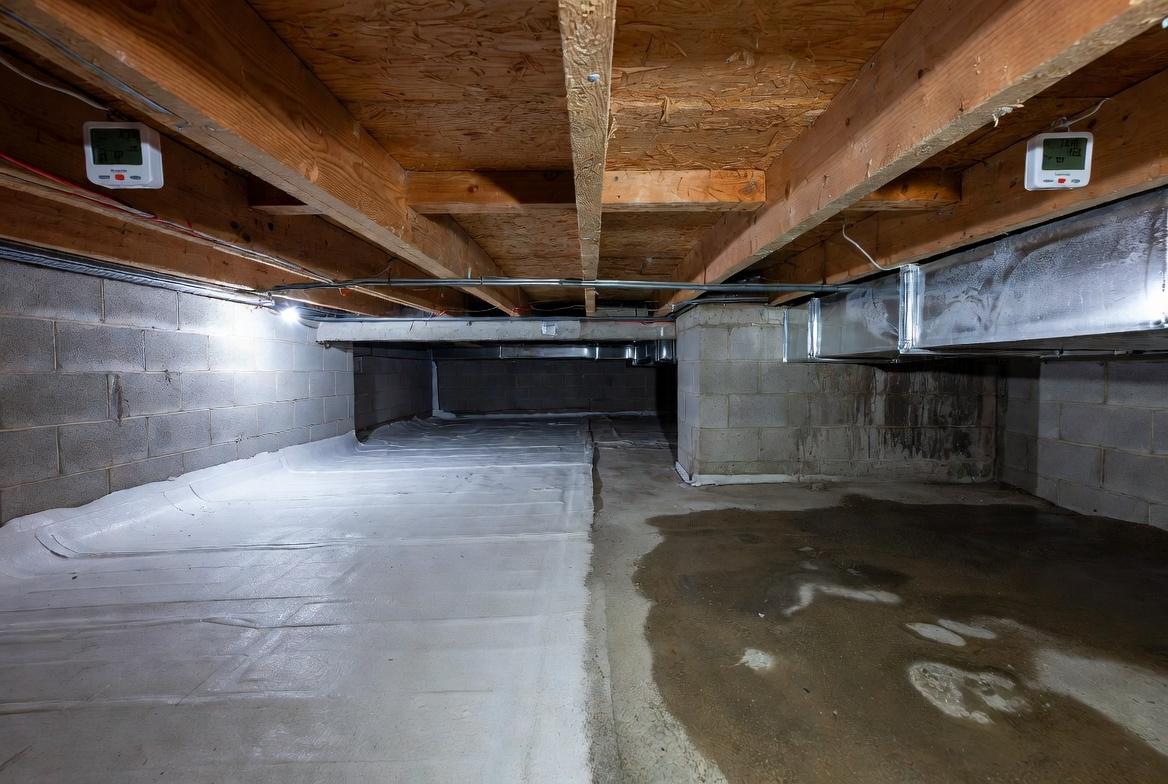
Slightly Damp or Darkened Soil
One of the earliest signs of crawl space moisture is changes in the soil beneath the home.
In a healthy crawl space, the ground should appear dry and consistent in color.
When moisture begins to build up, you may notice:
Soil that looks darker than usual
Slight dampness in certain areas
Ground that feels humid even without standing water
This stage is often overlooked because there may not be any dramatic signs of water intrusion.
However, even mild moisture in the soil can slowly increase humidity levels throughout the crawl space.
Over time, that humidity affects insulation, air quality, and structural materials above it.
Minor Insulation Changes
Insulation is often one of the first areas where early crawl space damage becomes visible.
At first, the changes may seem insignificant.
You might notice:
Slight sagging between floor joists
Insulation pulling away at the edges
Uneven sections that no longer sit tightly in place
This usually happens because insulation absorbs moisture from humid air over time.
Once insulation begins holding moisture, it becomes heavier and less effective.
Even small insulation changes can affect:
Indoor comfort
Energy efficiency
Temperature consistency inside the home
Because these changes happen gradually, many homeowners do not realize there is a problem until conditions worsen.
Subtle Musty Odors
Early crawl space damage is not always visible.
Sometimes the first sign is a smell.
A faint musty odor that comes and goes often indicates that moisture is beginning to affect the environment below the home.
At this stage:
The smell may only appear during certain weather conditions
It may be stronger in the morning or evening
It may seem minor enough to ignore
But odors are usually a sign that humidity is lingering where it should not be.
As moisture builds, the air in the crawl space changes, and that air eventually moves upward into the living areas of the home.
Even a mild odor can indicate that conditions below the home are no longer stable.
Condensation on Surfaces
Another early sign of crawl space damage is light condensation.
This happens when humid air comes into contact with cooler surfaces underneath the home.
You may notice:
Slight moisture on pipes
Dampness along wood framing
Small areas where surfaces feel cool and wet
Condensation is easy to dismiss because it often appears minor.
However, repeated moisture exposure can slowly affect nearby materials over time.
Consistent condensation creates an environment where:
Mold can begin developing
Wood absorbs moisture
Humidity levels continue rising
Early condensation is often one of the clearest indicators that moisture control is no longer working properly.
Changes in Air Quality Inside the Home
Many homeowners notice the effects of crawl space damage inside the home before they ever see the crawl space itself.
Because air naturally moves upward, conditions below the home can directly affect indoor air quality.
Early warning signs may include:
Slight humidity indoors
Air that feels heavier than normal
Rooms that feel less fresh or comfortable
At first, these changes are subtle.
But over time, moisture and humidity beneath the home begin affecting the living environment above it.
This is why crawl space issues are often connected to comfort problems long before visible damage becomes severe.

Why Early Damage Is So Easy to Miss
The biggest reason early crawl space damage goes unnoticed is because crawl spaces are rarely inspected closely.
Most people only look underneath their home when there is already a noticeable issue.
Even then:
Lighting is limited
Access is difficult
Small changes are hard to recognize without comparison
A crawl space can appear “normal” while still developing moisture-related problems.
That is why small issues often continue progressing for long periods before they become obvious.
Understanding what to look for makes it easier to recognize changes earlier.
What a Healthy Crawl Space Should Look Like Instead
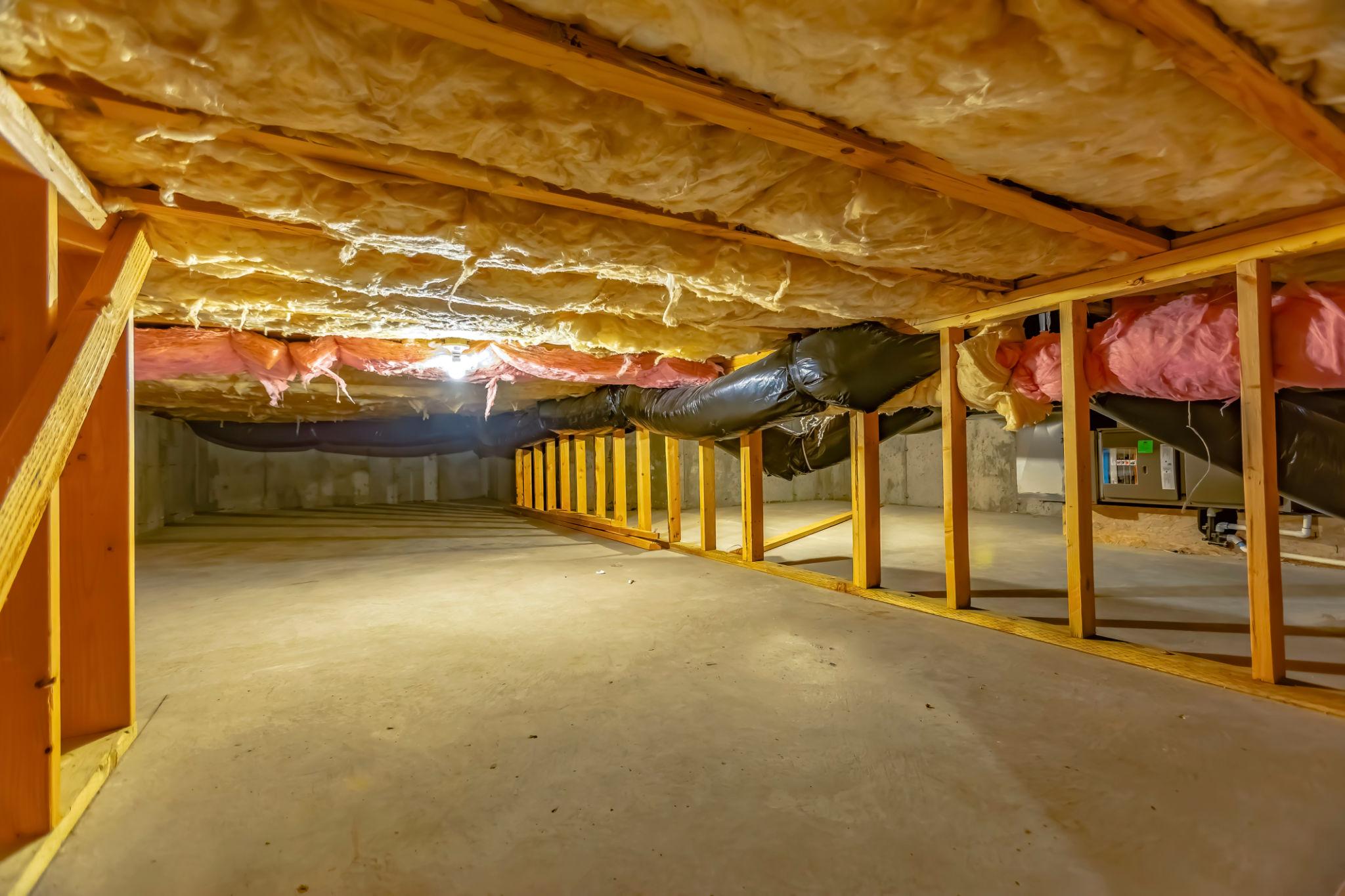
A healthy crawl space should feel dry, stable, and controlled year-round.
That includes:
Dry soil with no damp patches
Insulation that remains secure and intact
No noticeable odors
Stable air conditions without excess humidity
Everything underneath the home should appear consistent.
When moisture is controlled properly, the crawl space supports the home instead of creating gradual problems over time.
Conclusion
Early crawl space damage rarely looks dramatic.
Most problems begin quietly through small signs that are easy to overlook, including damp soil, insulation changes, condensation, and subtle odors.
Because crawl spaces are hidden from everyday view, these issues often continue developing long before they become severe.
Recognizing early warning signs helps homeowners understand when conditions below the home are beginning to change.
A healthy crawl space should remain dry, stable, and consistent over time.
The sooner small issues are identified, the easier they are to manage before larger problems develop.
