
How Fall Landscaping Can Affect Crawl Space Moisture
Fall brings noticeable changes to homes throughout Tacoma and the Puget Sound region. Leaves begin collecting around yards, rainfall becomes more frequent, and cooler temperatures slow the drying process in shaded areas.
While homeowners often focus on keeping their lawns, gardens, and walkways maintained, the landscaping immediately surrounding a home can also influence conditions beneath it.
Your crawl space may be out of sight, but it is connected to the environment around your foundation. The way soil absorbs water, plants retain moisture, and rainwater moves across your property can all affect the conditions below your floors.
Understanding these connections can help homeowners recognize how ordinary fall landscaping changes may influence crawl space moisture.
1. Fallen Leaves Can Change How Water Moves Around Your Home
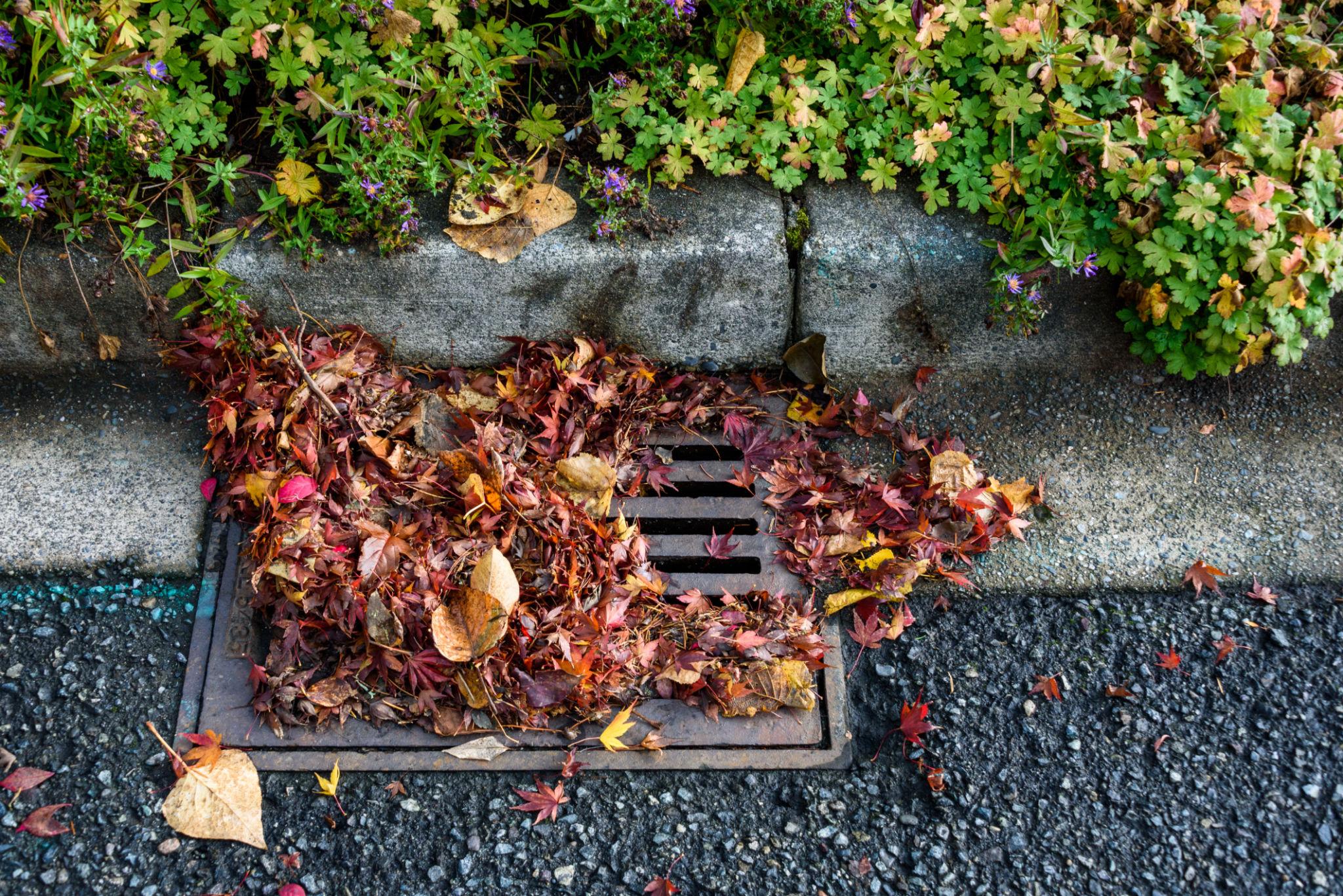
Falling leaves are a natural part of autumn in the Pacific Northwest. However, when they accumulate near foundation walls, drainage openings, and downspouts, they can interfere with how water moves away from the house.
Wet leaves may:
Collect around foundation edges.
Cover small drainage openings.
Trap debris near downspouts.
Conceal areas where water collects after rain.
Leaves do not automatically create a moisture problem. However, large accumulations can make existing drainage concerns harder to notice.
Keeping these areas visible helps homeowners better understand what happens around their foundations during rainy weather.
2. Garden Beds Can Hold Moisture Near the Foundation
Garden beds add character to residential landscaping, especially around Tacoma's craftsman homes and established neighborhoods.
However, soil, mulch, and dense plantings can remain damp longer than nearby paved surfaces.
During fall, repeated rainfall may keep garden beds consistently moist, particularly when they receive limited sunlight.
The amount of moisture retained depends on soil composition, drainage, plant coverage, and the surrounding terrain.
Garden beds that slope toward the home or sit too high against the foundation can create additional concerns.
A well-maintained garden should complement the house without directing excess water toward the structure.
3. Soil Slope Influences Where Rainwater Travels
One of the most important landscaping features is something homeowners may rarely notice: the direction the ground slopes.
When rain reaches your yard, gravity influences where that water travels.
Ground that slopes away from the foundation generally helps surface water move away from the house.
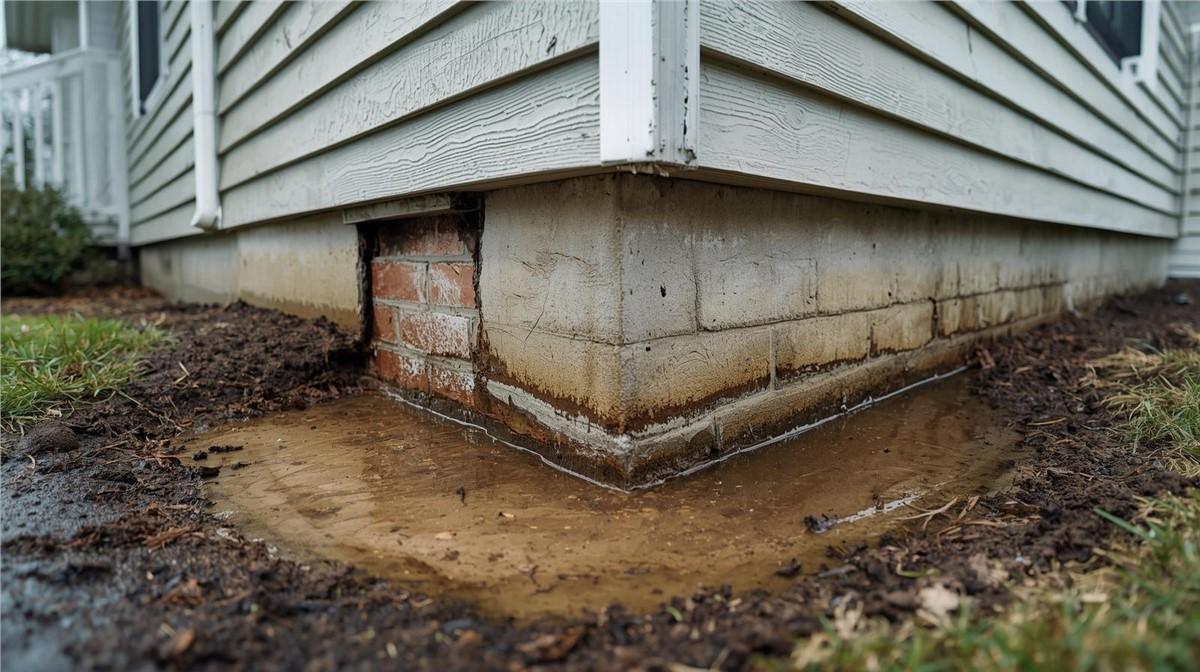
However, low areas or soil that slopes toward the foundation may allow water to collect closer to the structure.
Over time, these conditions can contribute to increased soil moisture around foundation walls.
For homes with crawl spaces, the surrounding drainage environment is especially important because moisture may enter through foundation openings, seep through materials, or evaporate from damp ground beneath the home.
Observing where water travels during rainfall can reveal useful information about your property's drainage.
4. Dense Shrubs Can Create Shaded, Damp Areas
Shrubs, hedges, and mature landscaping can make a property feel established and inviting.
However, dense vegetation near a foundation may reduce sunlight and limit air movement along the lower exterior walls.
As a result, soil and landscaping materials in these locations can take longer to dry after rainfall.
This is particularly relevant during Tacoma's cooler fall months, when evaporation is often slower than during summer.
Dense shrubs can also make it harder to inspect foundation walls, vents, and nearby drainage areas.
Maintaining reasonable clearance around the foundation improves visibility and makes routine observations easier.
5. Downspouts Affect Moisture Around Landscaping
Gutters and downspouts play an important role in moving roof runoff away from the home.
During heavy fall rainfall, a significant amount of water can travel from the roof into the surrounding yard.
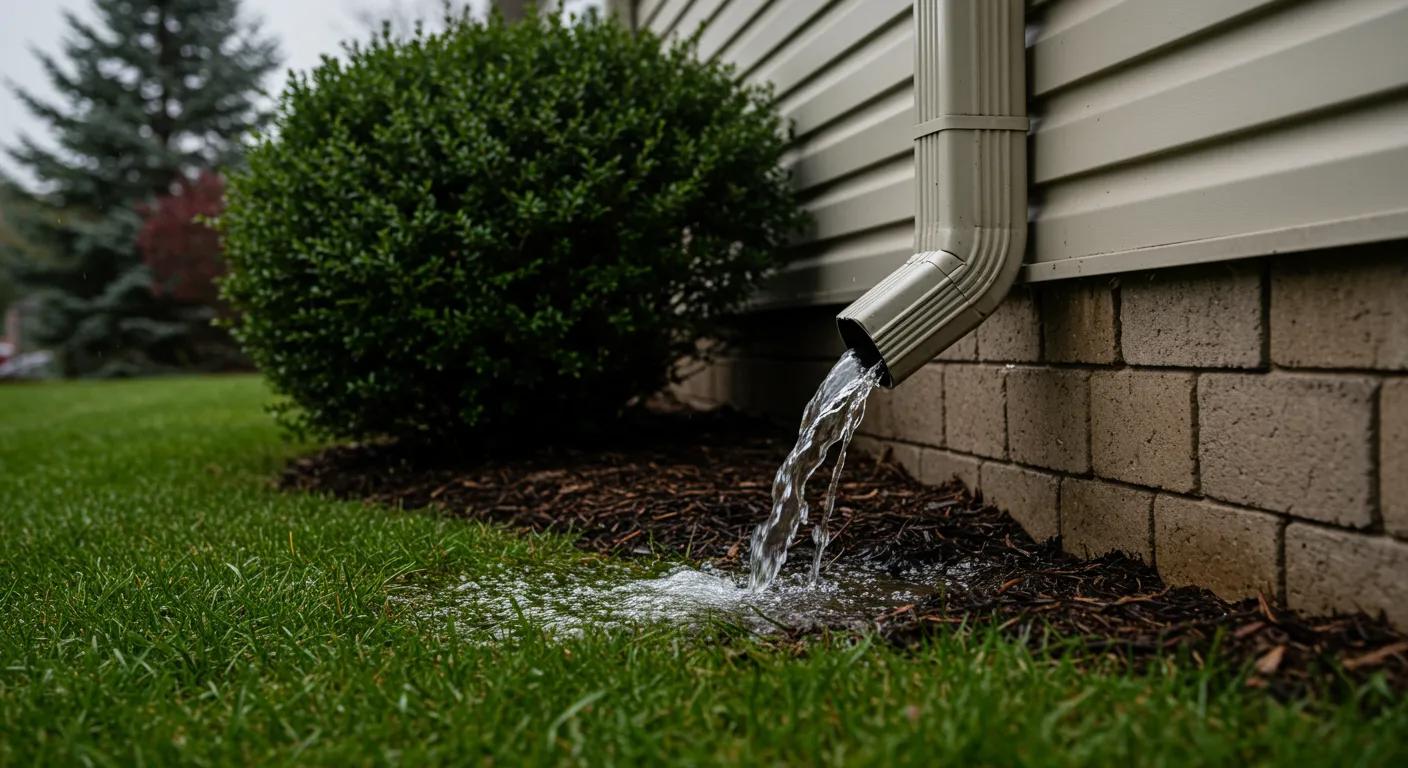
If a downspout releases water too close to the foundation, the nearby soil may become repeatedly saturated.
This can happen even when the rest of the yard appears relatively dry.
Landscaping features such as decorative stones, garden beds, or mulch may also conceal where the water is actually going.
Homeowners can benefit from observing downspout discharge during rain and checking whether water is being directed away from the foundation.
Proper drainage helps reduce unnecessary moisture accumulation around the home.
6. The Space Between Landscaping and Foundation Walls Matters
The narrow area where landscaping meets the foundation is easy to overlook.
It may contain soil, mulch, leaves, decorative rocks, or ground-cover plants.
Over time, these materials can accumulate against foundation surfaces or partially cover ventilation openings.
When landscaping materials are placed too high, they may also reduce the visible clearance between the ground and the home's exterior siding.
Keeping appropriate separation between soil, landscaping materials, siding, and foundation vents supports easier inspection and helps avoid unnecessary moisture exposure.
The appropriate clearance depends on the home's construction and local building requirements.
Small landscaping adjustments can make this transition area easier to maintain.
7. Fall Yard Cleanup Can Reveal Hidden Drainage Patterns
One benefit of seasonal yard cleanup is that it provides an opportunity to see parts of the property that are normally hidden.
Removing accumulated leaves and trimming dense vegetation may reveal:
Low spots where rainwater collects.
Soil erosion near the foundation.
Downspouts that discharge into planting beds.
Covered or obstructed crawl space vents.
Areas where landscaping has built up against the home.
These observations do not necessarily indicate crawl space damage.
However, they can help homeowners identify conditions worth monitoring as the rainy season continues.
Fall cleanup is not just about appearance. It can also make the relationship between the yard and foundation easier to understand.
8. Crawl Space Conditions Can Reflect What's Happening Outside
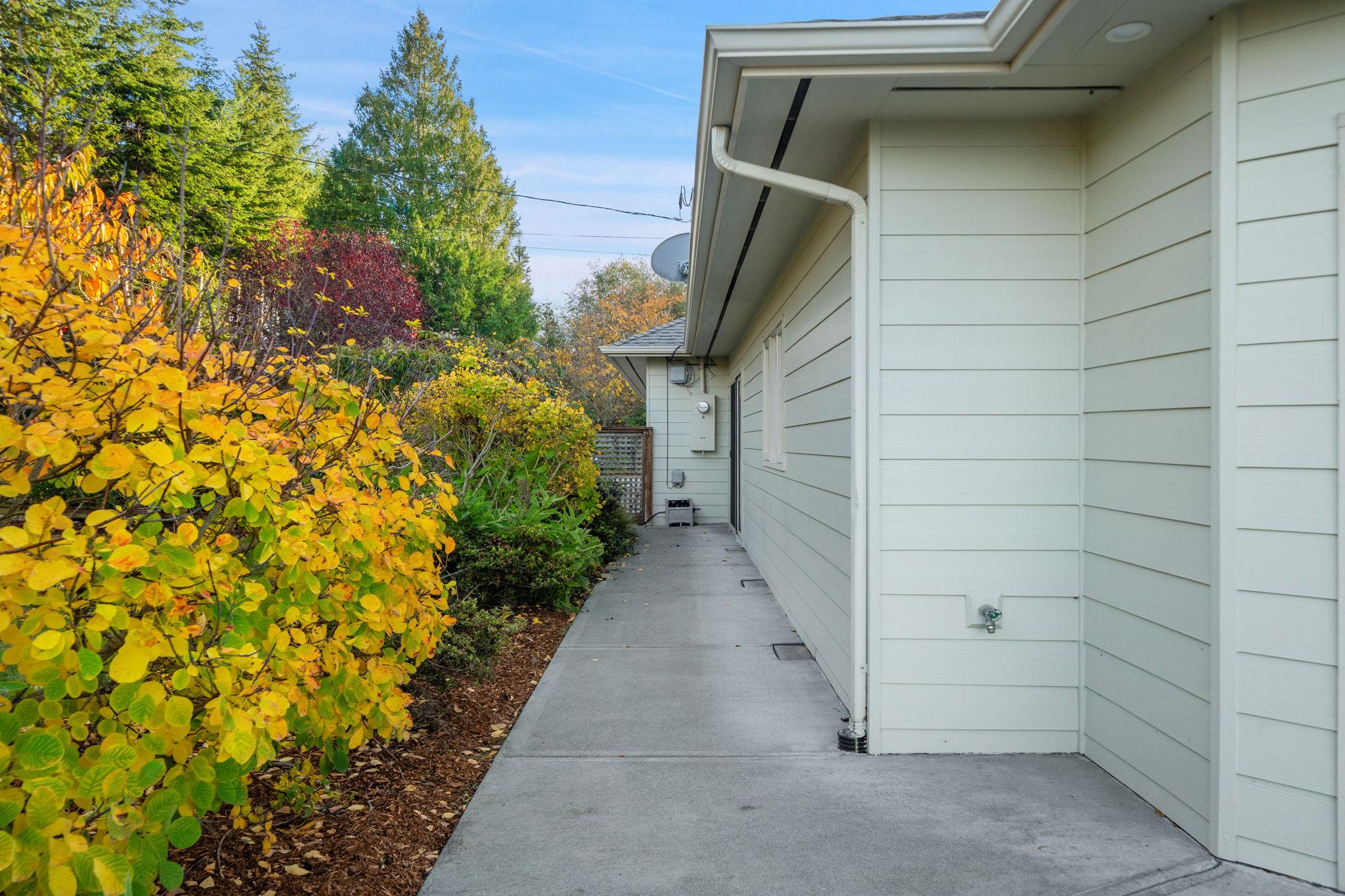
The crawl space beneath a home is influenced by several factors, including its construction, drainage, ventilation, ground covering, and surrounding environment.
When soil around the foundation remains wet for extended periods, moisture may affect conditions beneath the house.
Depending on the crawl space design, this can contribute to increased humidity, damp soil, or moisture exposure around structural materials.
However, outdoor moisture does not affect every crawl space in the same way.
A properly installed ground vapor barrier, effective drainage, and suitable moisture-control measures can help manage these conditions.
This is why understanding the exterior environment is useful when evaluating crawl space health.
9. Landscaping Conditions Change Throughout the Season
A yard that drains well during summer may behave differently during fall and winter.
Cooler temperatures, shorter days, saturated soil, and repeated rainfall can all change how quickly the ground dries.
Some areas may remain damp for days after the rain stops, while other locations recover much sooner.
Landscaping also changes as leaves fall, plants become dormant, and seasonal maintenance routines shift.
Observing these patterns over time gives homeowners a more complete understanding of how their property responds to Pacific Northwest weather.
A single dry afternoon may not reveal the conditions that develop during several consecutive rainy days.

10. Healthy Crawl Spaces Start With Awareness Above Ground
Crawl space maintenance does not begin only when someone enters the space beneath the house.
It also involves understanding the conditions around the building.
Homeowners can support better moisture management by:
Keeping leaves and debris away from drainage openings.
Observing where downspouts release water.
Maintaining appropriate landscaping clearance.
Watching for low areas where rainwater collects.
Checking whether soil slopes toward the foundation.
Paying attention to changes after extended rainfall.
These simple observations can help identify potential moisture concerns before they become more difficult to manage.
For Tacoma and Puget Sound homeowners, seasonal awareness is especially valuable because rainfall and ground conditions change considerably throughout the year.
Conclusion: Your Yard and Crawl Space Are More Connected Than They Appear
Landscaping does more than shape the appearance of your property. It also influences how water moves, where moisture collects, and how the ground around your foundation responds to changing weather.
During fall, accumulated leaves, damp garden beds, dense shrubs, and drainage patterns can all affect the environment surrounding your home.
While these conditions do not automatically mean there is a crawl space problem, they provide important clues about potential moisture exposure.
Understanding the connection between your landscaping and the space beneath your floors is an important part of maintaining a healthier home throughout the Pacific Northwest's rainy season.
