
What a Healthy Crawl Space Should Actually Look Like
Most homeowners don’t spend much time thinking about their crawl space—and even fewer know what a healthy one is supposed to look like.
Because it’s out of sight, it’s easy to assume everything underneath your home is fine. But the condition of your crawl space plays a major role in your home’s comfort, air quality, and long-term durability.
The challenge is that many crawl spaces have issues that aren’t obvious unless you know what to look for. Moisture, insulation problems, and air leaks can all exist below your home without immediate warning signs.
So what should a properly maintained crawl space actually look like? Here’s what defines a healthy crawl space—and why it matters.
A Healthy Crawl Space Is Dry, Not Damp
The most important characteristic of a healthy crawl space is dryness.
There should be no standing water, no muddy soil, and no visible signs of excess moisture. Even slight dampness can create problems over time, leading to mold growth, wood damage, and poor air quality.
In many homes—especially in moisture-prone climates—crawl spaces naturally tend to hold humidity. That’s why proper moisture control is essential.
A dry crawl space helps:
Prevent mold and mildew
Protect wooden structures
Improve overall air quality
If your crawl space feels damp or humid, it’s usually a sign that something needs attention.
The Ground Is Properly Covered and Protected
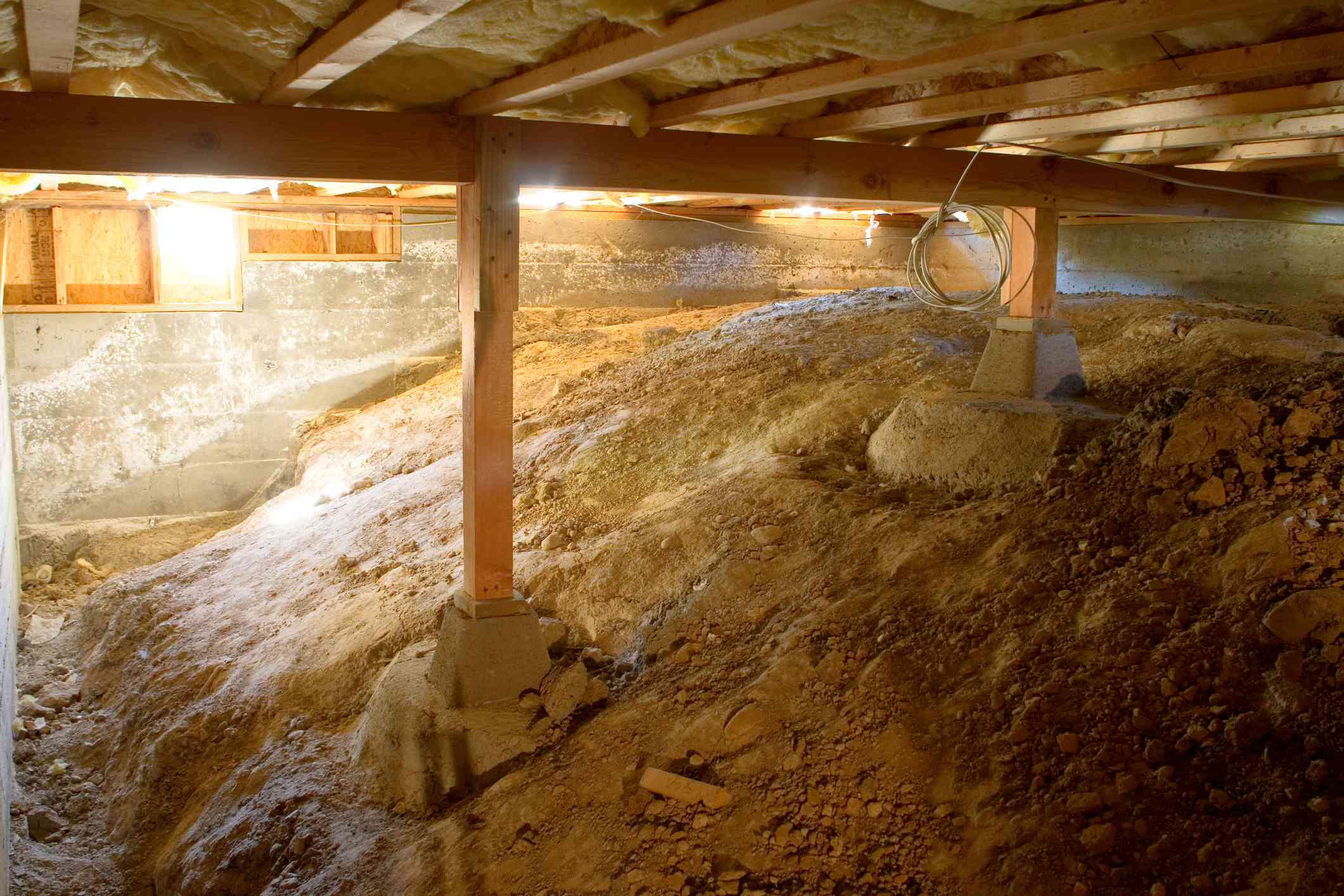
In a healthy crawl space, the ground isn’t left exposed.
A proper vapor barrier covers the soil, helping prevent moisture from rising into the space. Without it, ground moisture can continuously evaporate upward, increasing humidity levels.
A well-installed vapor barrier should:
Fully cover the ground
Be secured and sealed at the edges
Show no signs of damage or gaps
This is one of the most effective ways to control moisture and maintain a stable environment beneath your home.
Insulation Is Clean, Dry, and Intact
Insulation plays a key role in keeping your home comfortable and energy-efficient.
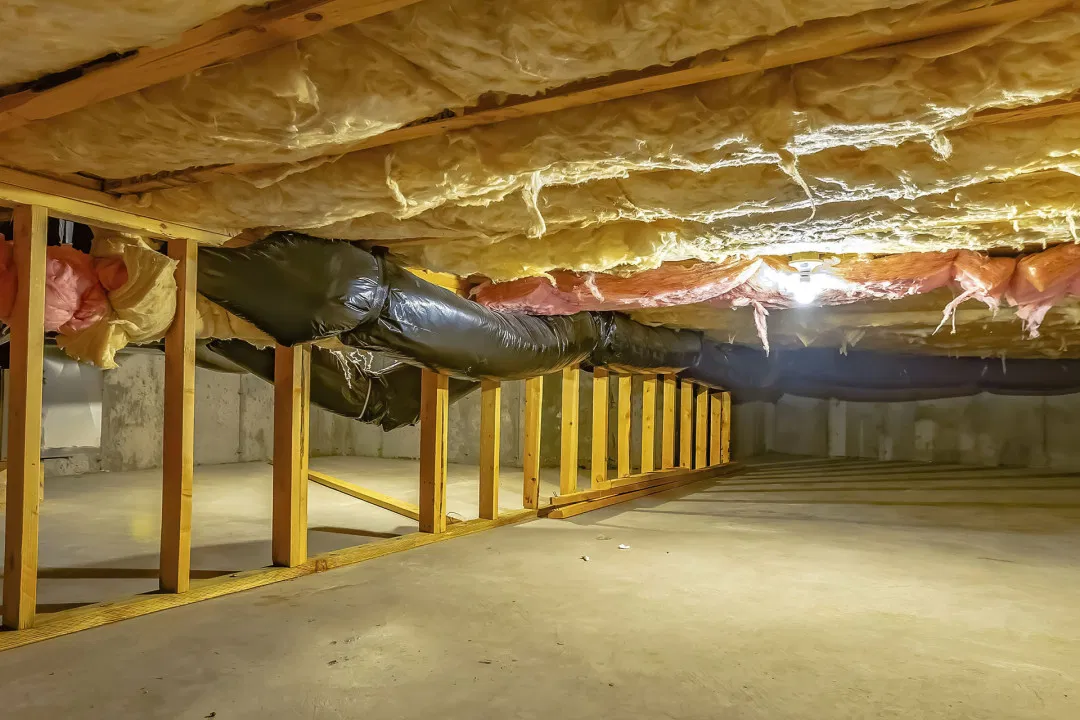
In a healthy crawl space, insulation should be properly installed, securely in place, and completely dry. It shouldn’t be sagging, falling down, or showing signs of moisture damage.
When insulation becomes damp, it loses effectiveness and can even contribute to mold growth.
Well-maintained insulation helps:
Regulate indoor temperatures
Reduce energy costs
Prevent cold floors and drafts
If insulation looks damaged or wet, it’s often a sign of underlying moisture issues.
Airflow and Moisture Are Controlled
A healthy crawl space isn’t just dry—it’s controlled.
Rather than relying on outside air, a properly maintained crawl space manages airflow and humidity levels to prevent moisture buildup. This often involves sealing the space and creating a more stable environment.
Uncontrolled airflow can bring in humidity, which leads to condensation and damp conditions.
When airflow and moisture are properly managed:
Humidity stays at safe levels
Condensation is reduced
The space remains consistently dry
This level of control is key to long-term crawl space health.
There Are No Signs of Pests or Debris
A healthy crawl space should be clean and free of unwanted activity.
There should be no signs of pests, such as droppings, nesting materials, or damaged insulation. The space should also be free of debris that can trap moisture or create hiding spots.
Pests are often attracted to crawl spaces with moisture, warmth, and easy access points.
A clean crawl space helps:
Reduce the risk of infestations
Maintain better air quality
Prevent damage to insulation and wiring
If pests are present, it’s usually a sign that the environment below your home needs attention.
Why This Matters for Your Home
Your crawl space doesn’t operate in isolation—it directly affects the home above it.
Air from the crawl space naturally moves upward into your living space. If that air is damp or contaminated, it can impact your comfort, your health, and your home’s efficiency.
A healthy crawl space helps support:
Better indoor air quality
Lower energy costs
Improved comfort year-round
Long-term structural protection
When this space is properly maintained, the benefits extend throughout your entire home.
Conclusion
A healthy crawl space is dry, clean, sealed, and controlled. It doesn’t have standing water, exposed soil, damaged insulation, or signs of pests.
Instead, it supports your home by helping regulate moisture, protect structural components, and improve overall comfort.
Because crawl spaces are often overlooked, small issues can go unnoticed until they become bigger problems. Knowing what a healthy crawl space should look like makes it easier to recognize when something isn’t right.
Keeping this space in good condition is one of the most effective ways to protect your home over the long term.
