
How a Crawl Space Changes Over Time Without Proper Moisture Control
Most crawl space problems do not happen overnight.
There is usually no single moment when a crawl space suddenly becomes unhealthy. Instead, changes occur gradually over months and years as moisture accumulates beneath the home.
Because crawl spaces are hidden from everyday view, these changes often go unnoticed until they begin affecting comfort, air quality, insulation, or other parts of the home.
What starts as a small amount of humidity can slowly alter the environment beneath your house. Over time, those changes can create conditions that impact everything above it.
Understanding how a crawl space changes without proper moisture control helps homeowners recognize why small issues are worth paying attention to before they become larger concerns.
The Beginning: Slight Increases in Moisture
Most crawl space moisture problems begin with conditions that seem insignificant.
Moisture may enter the crawl space through:
Damp soil beneath the home
Humid outdoor air
Minor drainage issues
Seasonal weather patterns
At this stage, there may be no obvious signs of trouble.
The crawl space may still appear relatively normal, and homeowners rarely notice anything unusual inside the home.
However, humidity levels begin to rise.
While the changes are subtle, the environment underneath the home is slowly becoming less stable.
After Several Months: Humidity Becomes Consistent
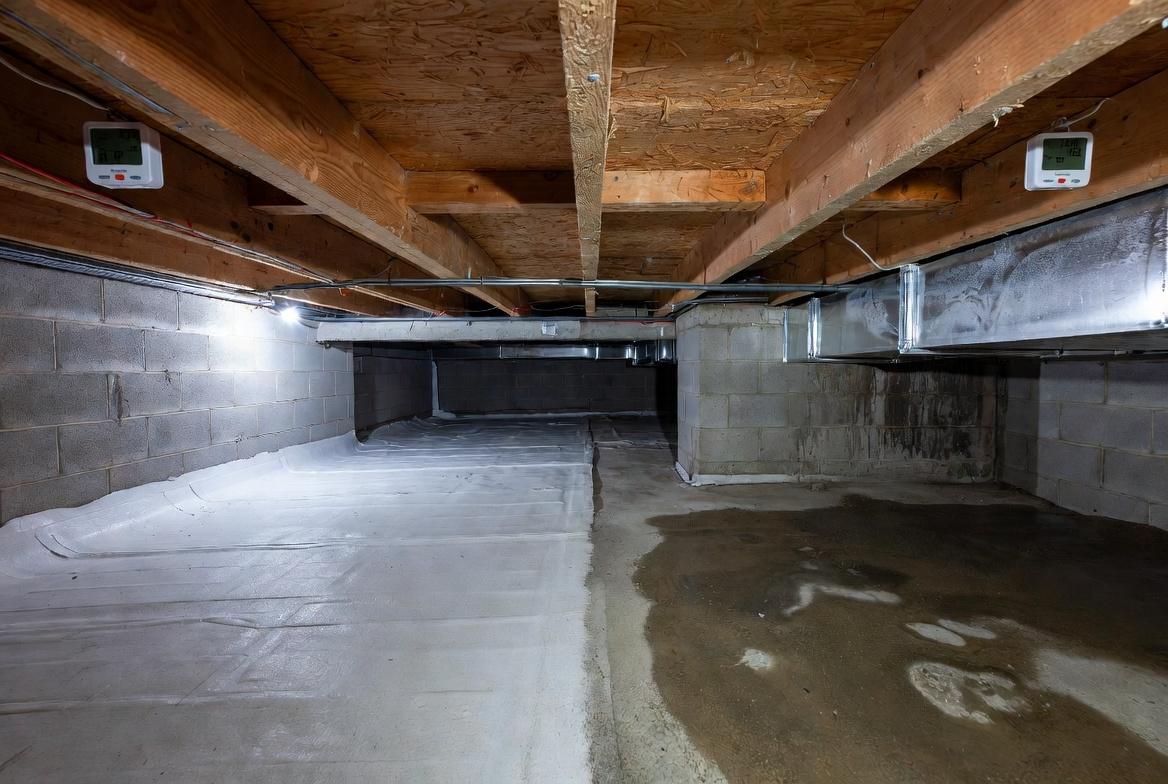
As moisture continues to accumulate, humidity levels become more consistent throughout the crawl space.
Instead of drying completely between weather changes, the space begins holding moisture for longer periods.
This often creates conditions where:
Air feels heavier beneath the home
Soil remains damp for longer
Moisture lingers on cooler surfaces
At this stage, many homeowners still do not notice a problem.
The crawl space may look largely unchanged, but the environment is no longer functioning the way it should.
The longer humidity remains elevated, the more opportunity moisture has to affect nearby materials.
Insulation Begins to Change
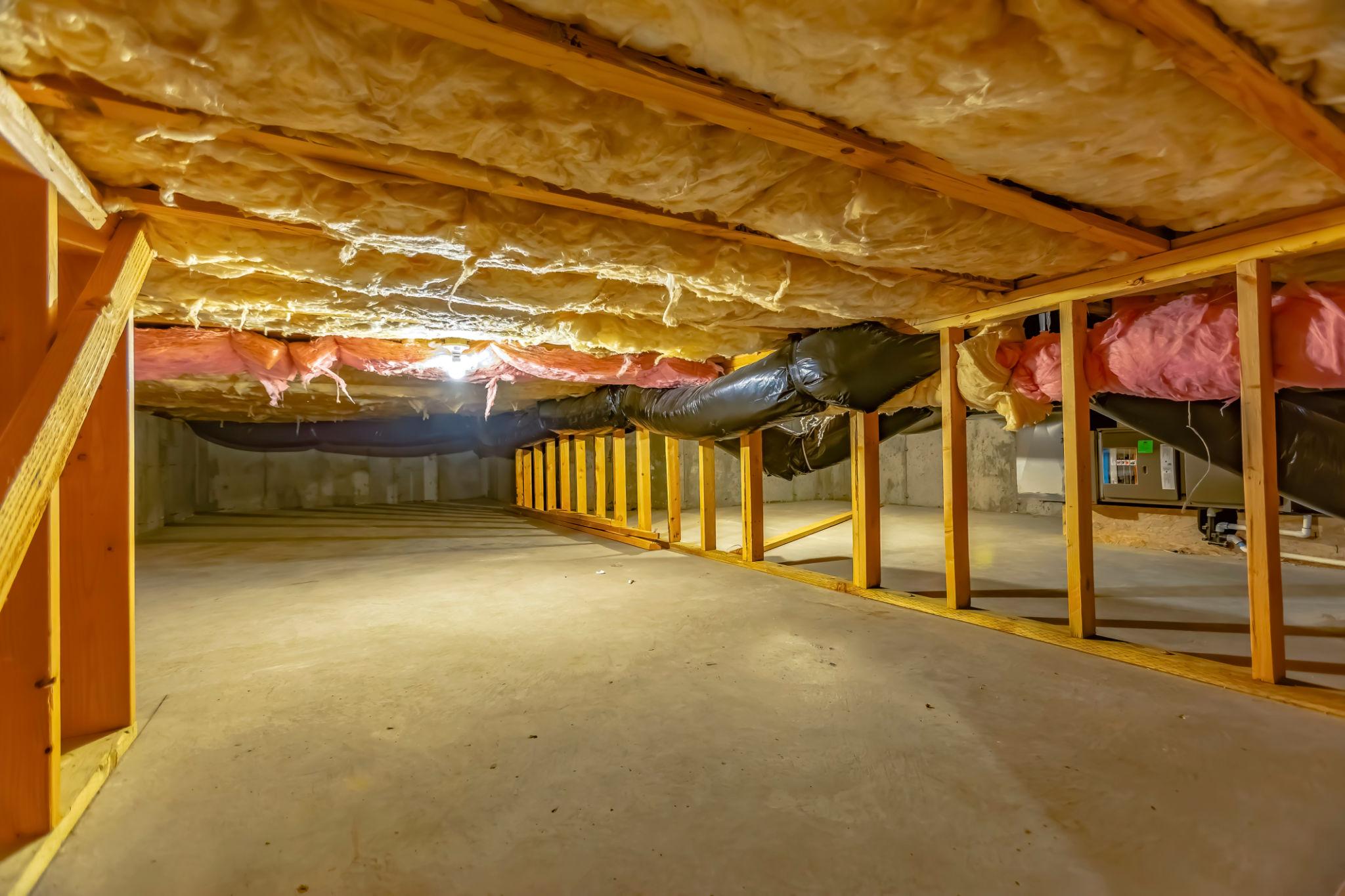
One of the first visible signs of long-term moisture exposure is often found in the insulation.
Insulation is designed to help regulate indoor temperatures, but it performs best when it stays dry.
As humidity persists, insulation may begin to:
Sag slightly between floor joists
Pull away from certain areas
Absorb moisture from the air
Lose some of its effectiveness
These changes happen slowly.
Homeowners may begin noticing colder floors, uneven temperatures, or reduced comfort without realizing the crawl space is contributing to the issue.
What appears to be a heating or cooling problem often starts below the home.
Indoor Air Quality Starts to Shift
As crawl space conditions continue changing, the effects often begin moving into the home itself.
Air naturally travels upward.
This means moisture, humidity, and odors from the crawl space can gradually influence indoor air conditions.
Homeowners may notice:
A faint musty smell
Slightly higher indoor humidity
Rooms feeling less fresh than before
A subtle change in overall comfort
These signs are often easy to dismiss because they develop slowly.
However, they are frequently among the first indicators that the crawl space environment has changed.
Moisture Begins Affecting Structural Materials
After extended exposure to moisture, structural components may begin reacting to the environment around them.
Wood naturally absorbs moisture over time.
When humidity remains elevated for long periods, materials beneath the home can experience:
Minor swelling
Surface discoloration
Increased moisture retention
Gradual deterioration
This stage does not necessarily involve severe damage.
Instead, it reflects a long-term shift in the crawl space environment that can continue progressing if moisture remains uncontrolled.
The longer these conditions persist, the more significant the effects can become.
Conditions Become More Attractive to Pests
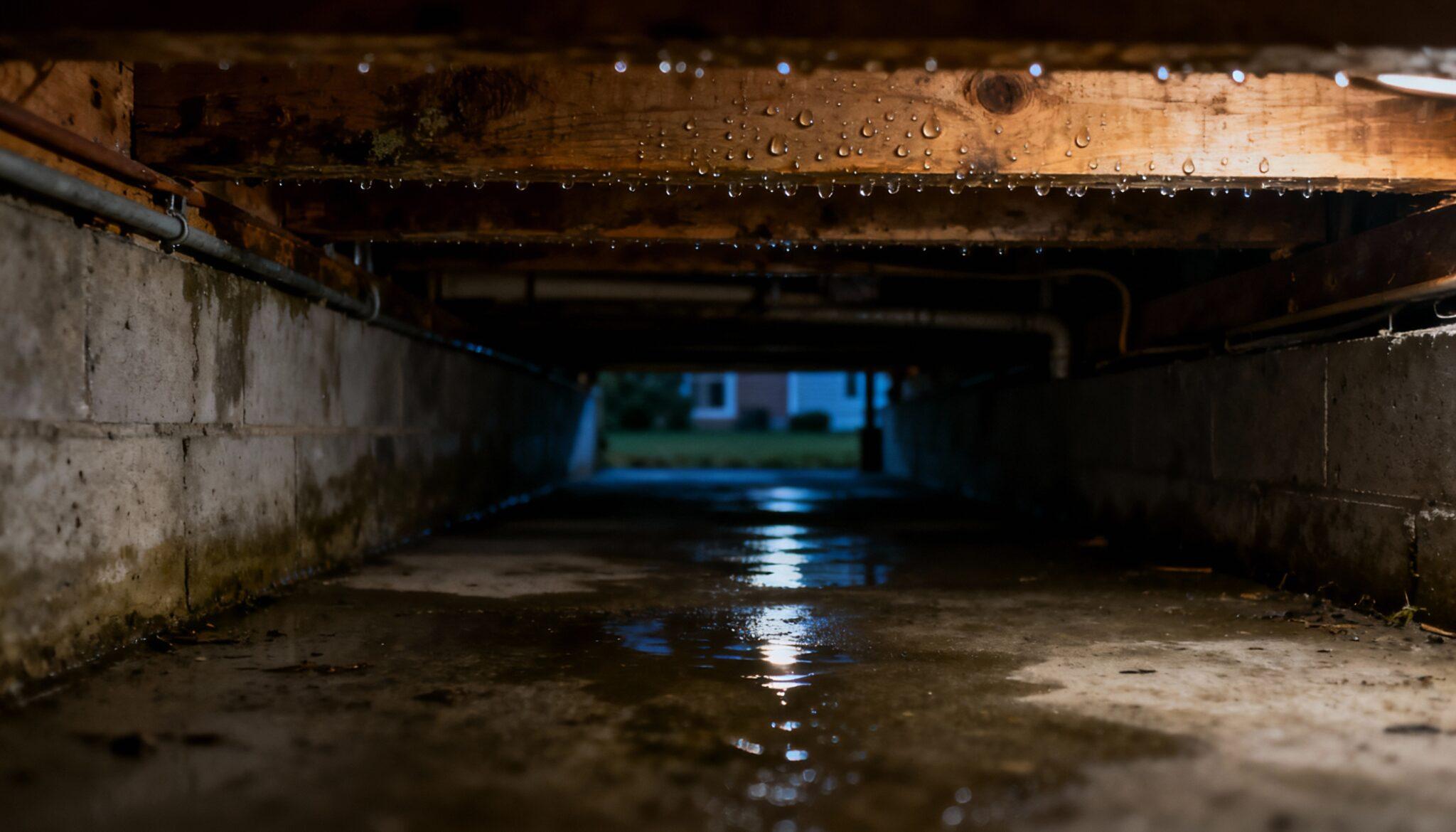
Moist environments often attract unwanted visitors.
Rodents, insects, and other pests are naturally drawn to spaces that provide shelter and moisture.
As crawl space conditions become more humid, the environment may become increasingly appealing to pests seeking:
Water sources
Protection from weather
Stable temperatures
This does not mean every damp crawl space develops pest issues.
However, moisture often creates conditions that make pest activity more likely over time.
Why These Changes Often Go Unnoticed
One reason crawl space issues can progress for so long is because most of the changes happen gradually.
Unlike a burst pipe or a flooded basement, crawl space moisture typically develops through small environmental shifts.
Homeowners often adapt to these changes without realizing it.
A slight odor becomes familiar.
Humidity feels normal.
Minor comfort changes are blamed on weather.
Because the progression is slow, it is easy to underestimate the role moisture is playing beneath the home.

What a Stable Crawl Space Looks Like Instead
A crawl space with proper moisture control tends to remain consistent throughout the year.
Conditions stay predictable and stable.
A healthy crawl space generally includes:
Dry soil and surfaces
Stable humidity levels
Clean, intact insulation
No persistent odors
Consistent air conditions
Instead of gradually changing over time, the environment remains controlled and supports the overall health of the home.
Conclusion
Without proper moisture control, crawl spaces tend to change gradually rather than suddenly.
What begins as a small amount of humidity can slowly influence insulation, air quality, structural materials, and overall comfort.
Because these changes happen over months and years, they are often overlooked until the effects become more noticeable inside the home.
A healthy crawl space should remain dry, stable, and consistent throughout the seasons.
Understanding how moisture affects a crawl space over time helps homeowners recognize the importance of maintaining a controlled environment beneath their home.
