
What Causes Musty Smells in Homes With Crawl Spaces?
A persistent musty smell inside a home can be frustrating and difficult to trace. Many homeowners notice the odor in hallways, living rooms, or near vents without realizing that the source may be coming from beneath their home.
In houses with crawl spaces, conditions below the floor often play a major role in indoor air quality. Because crawl spaces are typically dark, enclosed, and close to the soil, they can develop moisture problems that lead to odor-producing conditions over time.
Even when everything inside the home appears clean, issues beneath the structure can slowly affect the air that circulates throughout the living space. Understanding the causes of musty crawl space odors can help homeowners identify potential problems early and protect the overall health of their homes.
Moisture Buildup Beneath the Home
Moisture is one of the most common reasons crawl spaces develop musty odors.
Because crawl spaces sit directly above the soil, they are naturally exposed to moisture that rises from the ground. Even in homes without standing water, humidity from the soil can accumulate beneath the structure.
Several factors can increase moisture levels in crawl spaces:
• Heavy rainfall and wet soil conditions
• Poor drainage around the home’s foundation
• Groundwater slowly seeping through the soil
• Condensation forming on pipes or ductwork
• High seasonal humidity levels
When moisture builds up in the crawl space, it creates an environment where mold and mildew can grow. These organisms release compounds into the air that produce the familiar musty smell many homeowners notice.

Mold and Mildew Growth
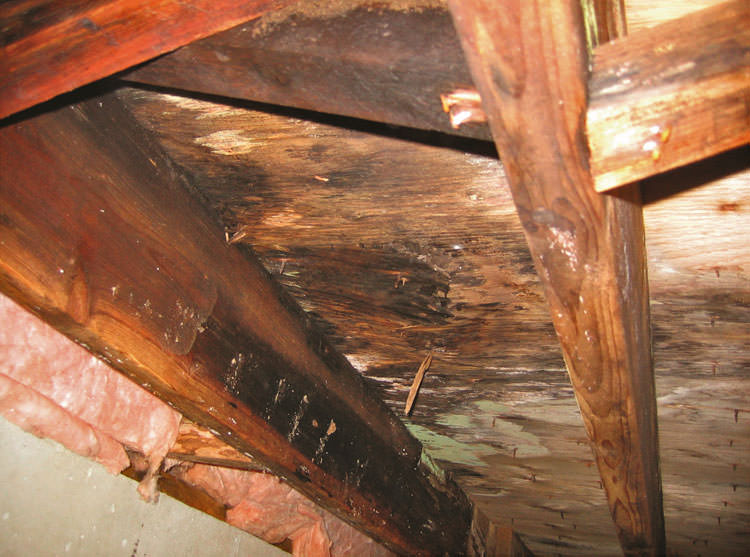
Once moisture is present, mold and mildew can begin developing on organic materials inside the crawl space.
Crawl spaces often contain materials that naturally support microbial growth, including:
• Wooden floor joists
• Subflooring materials
• Support beams
• Paper-backed insulation
• Stored cardboard or debris
Mold and mildew thrive in damp, low-light environments. As they grow, they release gases known as microbial volatile organic compounds (MVOCs). These compounds create the earthy, damp smell typically associated with musty environments.
In many cases, the odor is the first sign of a problem long before visible mold growth is discovered.
Air Movement From the Crawl Space Into the Home
Many homeowners assume the crawl space is completely sealed off from the rest of the house. In reality, air often moves between the crawl space and the living areas above.
This happens because of a natural airflow pattern known as the stack effect.
As warm air rises inside the home, it pulls air upward from lower areas of the structure. If the crawl space contains humid air or odors, that air can slowly move upward into:
• Floor cavities
• Wall cavities
• HVAC systems
• Interior living spaces
Because of this airflow, odors generated beneath the home can eventually become noticeable inside the house.
Organic Debris in the Crawl Space
Crawl spaces sometimes collect organic materials that contribute to odor problems.
Over time, items such as leaves, wood scraps, cardboard, and construction debris may accumulate beneath the home. When these materials are exposed to moisture, they begin to break down and support microbial growth.
This decomposition process can produce strong odors that slowly circulate through the crawl space.
Keeping crawl spaces clean and free of debris helps reduce the materials that mold and mildew can grow on.
Pest Activity Beneath the Home
Crawl spaces can also attract pests seeking shelter.
Rodents, insects, and other small animals often enter crawl spaces through small openings in foundations or vents. These spaces provide warmth, protection, and nesting opportunities.
Pest activity can contribute to odors in several ways:
• Nesting materials collecting moisture
• Animal droppings or waste
• Decaying organic matter
• Damage to insulation or wood structures
Even small pest infestations can create unpleasant odors that eventually reach the living areas of the home.
Damaged or Moist Insulation
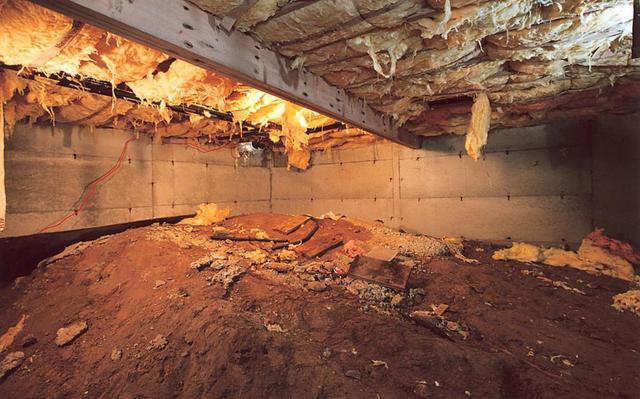
Insulation installed beneath floors plays an important role in maintaining indoor comfort and energy efficiency. However, when insulation becomes wet or damaged, it can contribute to musty odors.
Insulation problems commonly seen in crawl spaces include:
• Insulation that has absorbed moisture
• Sections of insulation that have fallen from the subfloor
• Pest damage to insulation materials
• Aging insulation that traps humidity
Wet insulation can hold moisture for long periods of time, creating an ideal environment for mold and mildew growth.
Why Crawl Space Odors Should Not Be Ignored
Musty smells are often an early indicator that conditions beneath the home may be changing.
While the odor itself may seem like a minor inconvenience, it can signal underlying issues such as excess moisture, mold growth, or poor ventilation.
If left unaddressed, these conditions may eventually lead to:
• Structural wood damage
• Mold spreading through building materials
• Reduced insulation performance
• Increased humidity inside the home
• Pest infestations
Identifying crawl space issues early can help prevent more significant problems in the future.

Professional Crawl Space Services in Tacoma
At All-Shield Crawl Spaces, we help homeowners identify and address conditions that develop beneath their homes.
Our inspections focus on evaluating moisture levels, ventilation conditions, insulation performance, and potential environmental factors that can lead to crawl space problems. By identifying these issues early, homeowners can take steps to maintain a cleaner, drier crawl space environment.
In the Pacific Northwest, where rainfall and soil moisture are common, maintaining a properly managed crawl space is an important part of protecting the long-term health and performance of a home.
Understanding the causes of musty smells beneath the home is often the first step toward creating a healthier and more comfortable living environment.
