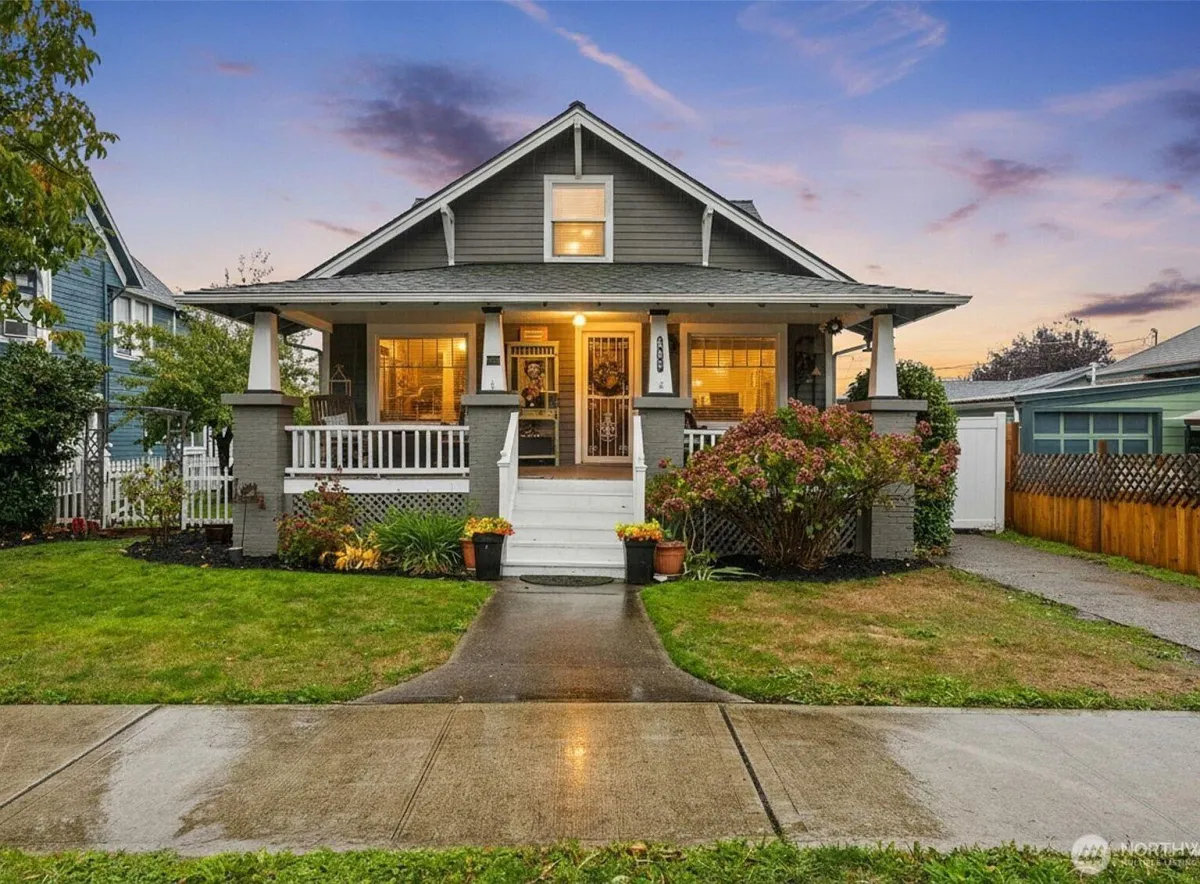
What Happens Beneath Your Home When the Ground Stays Wet for Days
In the Pacific Northwest, rain rarely needs an introduction. For homeowners in Tacoma and throughout Puget Sound, several wet days in a row can be a normal part of fall and winter.
Above ground, the effects are easy to see. Lawns become softer, landscaping stays wet, sidewalks take longer to dry, and water continues moving through gutters and downspouts.
But something else is happening beneath the home.
When the ground remains wet for several days, soil around and beneath the foundation can hold moisture longer than it would after a brief rain. Cooler temperatures and limited sunlight can slow evaporation even further. These changing conditions can influence the environment inside the crawl space.
Understanding what happens during extended wet weather can help homeowners see why crawl space conditions are often connected to what is happening outside.
1. The Ground Absorbs Water Gradually
When rain first begins, some water is absorbed by the soil while other water moves across the surface.
How quickly this happens depends on several factors, including soil composition, landscaping, grading, and how much moisture is already in the ground.
After a dry period, the upper layers of soil may initially absorb rainfall relatively quickly. But when rain continues for several days, the ground has less opportunity to dry between storms.
Moisture can gradually reach deeper layers of soil.
This means the ground near a home's foundation may behave differently after several rainy days than it does after one short afternoon of rain.
2. Wet Ground Does Not Dry Immediately When the Rain Stops
One of the easiest assumptions to make is that conditions begin returning to normal as soon as the clouds clear.
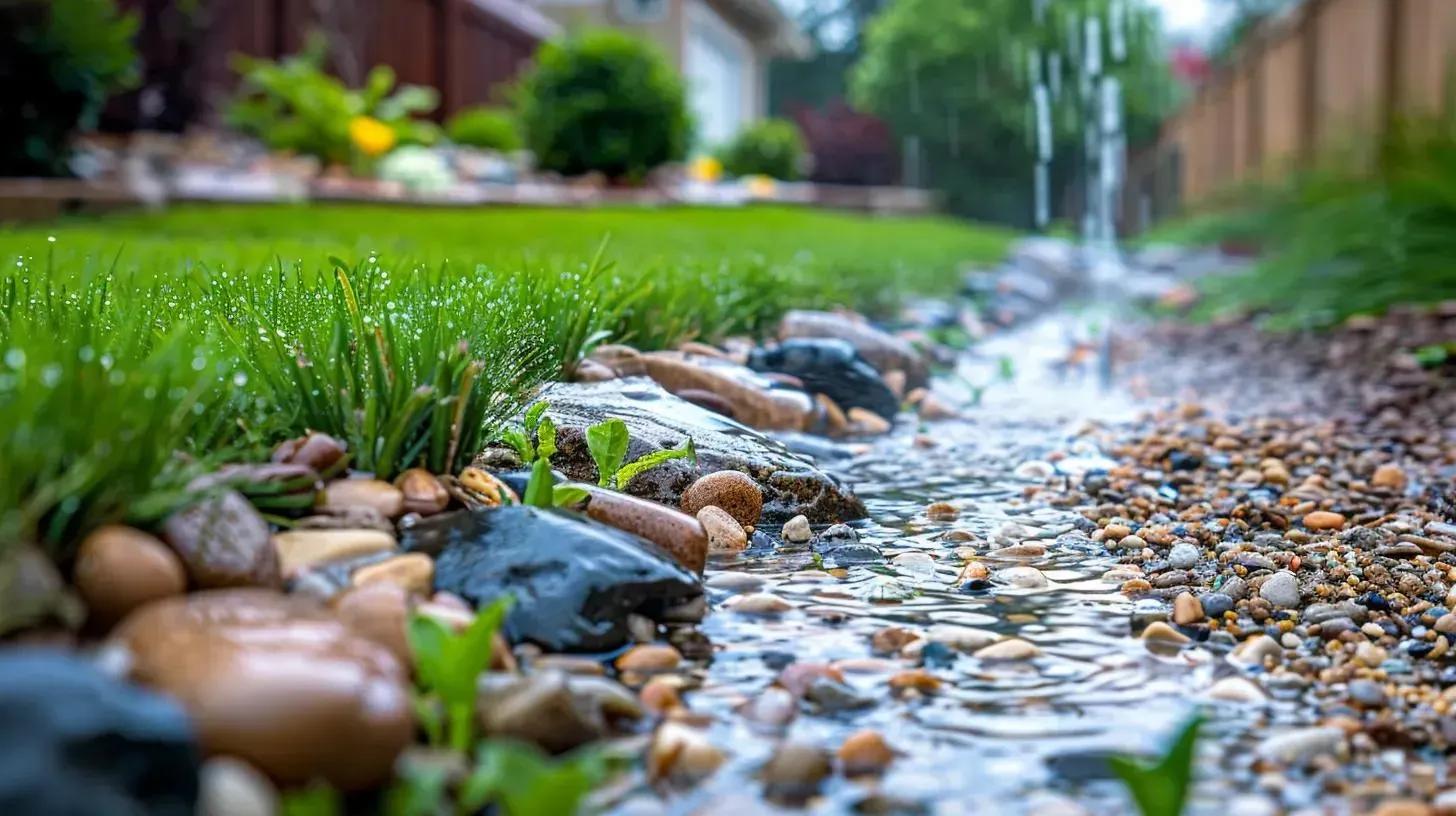
The surface may start drying relatively quickly, but deeper soil can remain damp much longer.
This is especially relevant during cooler Pacific Northwest weather. Lower temperatures, shorter days, shade from trees, and reduced evaporation can all allow moisture to remain in the soil.
A lawn that looks relatively dry on the surface does not necessarily mean the soil closer to the foundation has completely dried.
The crawl space may therefore continue responding to wet conditions even after the rain has stopped.
3. Moisture Around the Foundation Can Vary From One Area to Another
Water rarely behaves exactly the same way around every side of a home.
One area may receive more runoff from the roof. Another may remain shaded throughout much of the day. A side yard may drain differently than the front yard, while landscaping can influence how water moves through the soil.
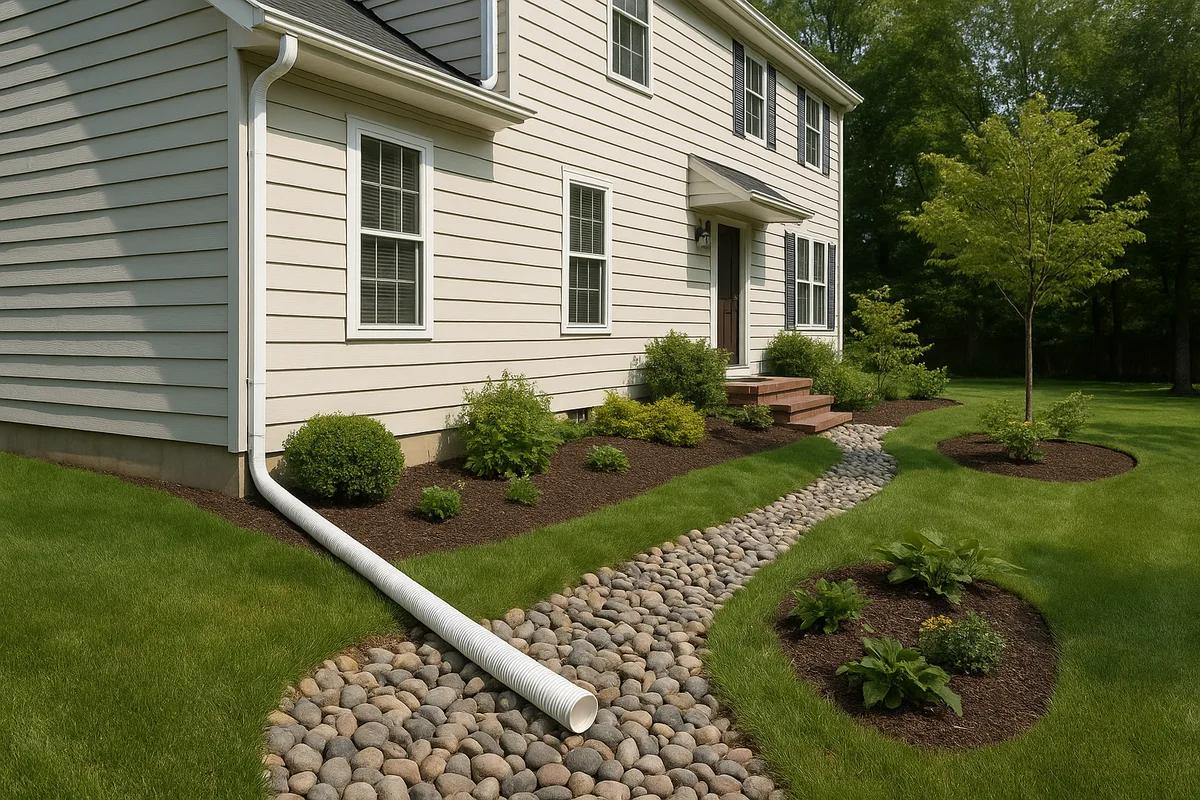
Downspout locations also matter.
Because of these differences, the ground near one foundation wall may stay damp longer than the soil on the opposite side of the house.
The same pattern can appear inside the crawl space. One section may remain relatively stable while another responds more noticeably to wet weather.
This is one reason a crawl space should not always be thought of as a single, uniform environment.
4. Crawl Space Humidity Can Respond to Wet Conditions
Standing water is not required for moisture conditions to change beneath a home.
Wet soil can contribute moisture to the environment around it. When the ground stays damp for extended periods, humidity inside the crawl space may behave differently than it did during a dry stretch of weather.
Temperature also plays a role.
Cooler outdoor air, warmer indoor conditions, soil temperature, airflow, and moisture can interact in ways that change how the crawl space feels from one season to another.
These changes may happen gradually and may not produce an obvious warning upstairs.
That is why moisture beneath a home is about more than simply looking for puddles.
5. Some Areas Beneath the Home May Take Longer to Dry
Just as one side of the yard may dry faster than another, different sections of a crawl space can recover from wet weather at different rates.
Areas near plumbing may have different airflow than open sections. Corners can behave differently from the center of the crawl space. Areas beneath additions may have different foundation designs, insulation, or ground elevations.
Even the direction the home faces can influence conditions.
As a result, one part of the crawl space may appear dry while another remains more humid or has damper soil.
This is especially important after several consecutive days of rain. A quick look near the crawl space entrance may not reveal what is happening farther beneath the home.
6. Wood and Insulation Respond to Their Environment
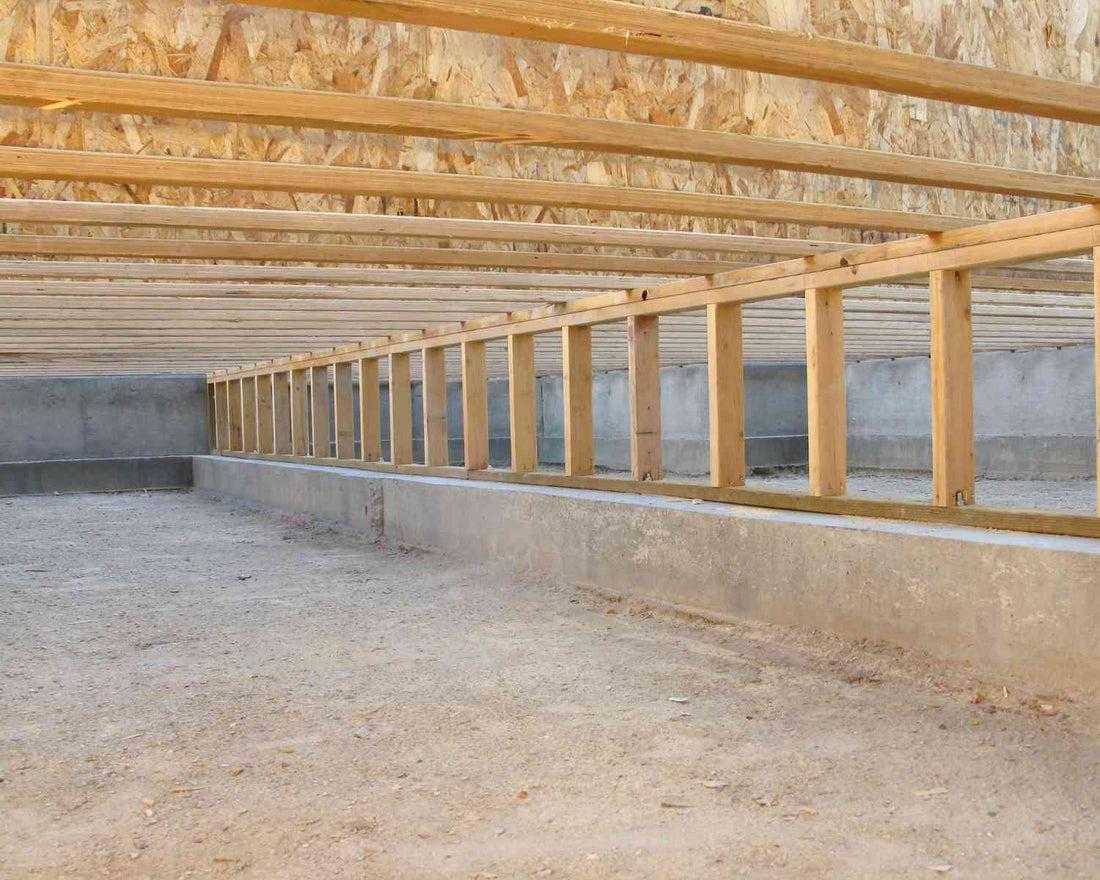
The materials inside a crawl space are part of the same environment as the soil and air around them.
Wood framing naturally responds to changes in moisture and humidity. Insulation can also be affected by long-term environmental conditions, particularly if moisture, airflow, or previous work has caused it to shift or sag.
This does not mean that several rainy days automatically create damage.
The more useful question is whether conditions remain reasonably stable over time.
Wood joists, beams, subflooring, insulation, and other components can provide clues about whether moisture conditions are temporary, seasonal, or part of a longer pattern.
Consistency matters more than expecting every crawl space to look brand new.
7. Another Storm Can Arrive Before the Ground Fully Dries
This is where extended Pacific Northwest wet weather becomes particularly interesting.
Imagine several days of rain followed by one relatively dry day.
The surface begins drying, but deeper soil still contains moisture. Then another storm arrives.
Instead of starting with dry ground, the new rainfall is interacting with soil that is already holding water.
Over repeated wet periods, the amount of time the ground spends damp can increase considerably.
This does not automatically mean there is a crawl space problem. It simply explains why conditions beneath a Tacoma home in November can be very different from conditions beneath the same home in July.
Seasonal context matters.
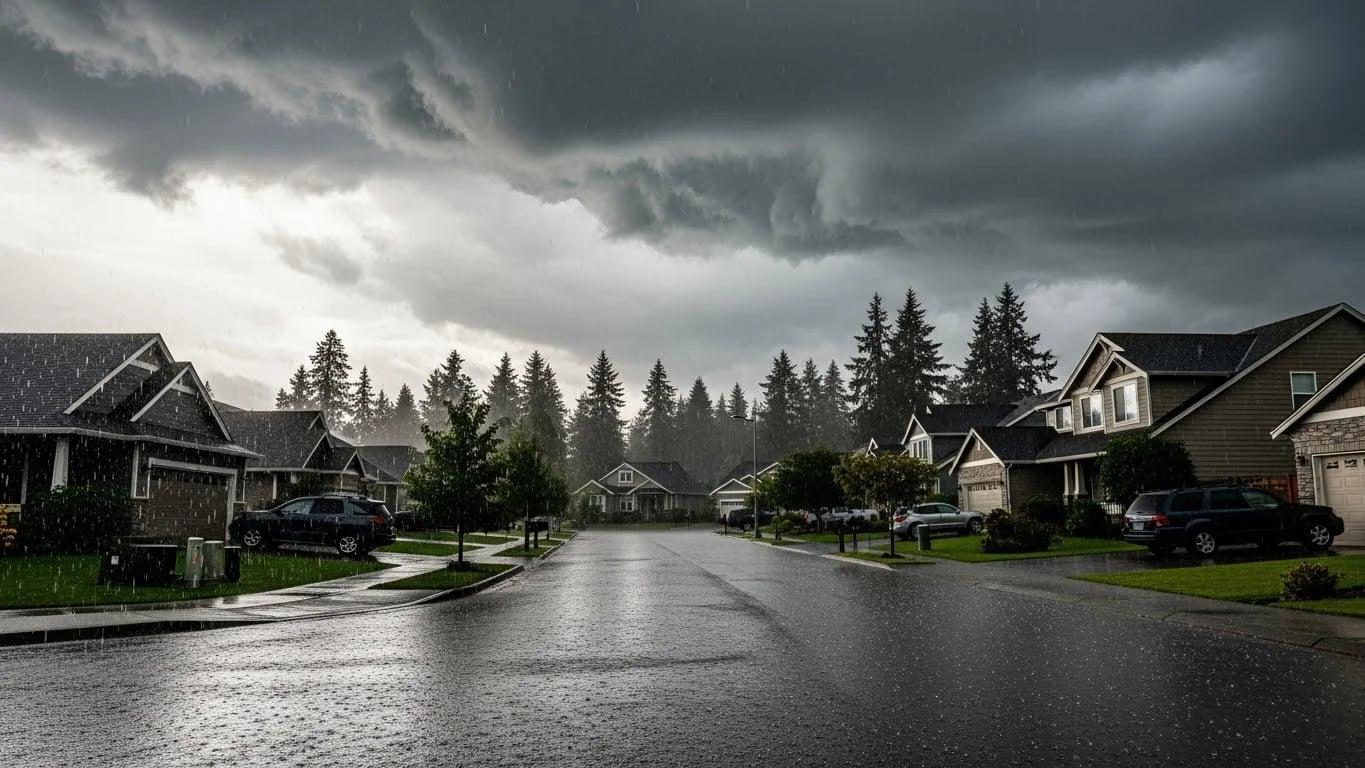
8. What Happens Outside Can Influence What Happens Below
A crawl space may be hidden, but it is not isolated from the rest of the property.
Roof runoff moves through gutters and downspouts. Water reaches lawns, planting beds, walkways, and soil. Landscaping affects drainage and evaporation. Ground conditions change around the foundation.
All of these factors create the environment surrounding the crawl space.
That is why paying attention to the exterior of the home can provide useful context for understanding what is happening underneath it.
After several wet days, noticing where water collects, which areas stay damp longest, and where downspouts release water can help explain differences beneath the home.
9. The Home Above May Still Feel Completely Normal
One reason gradual crawl space changes can be easy to overlook is that life upstairs may continue exactly as usual.
The living room still feels comfortable. The kitchen looks dry. Hardwood floors appear unchanged. There may be no obvious smell or visible sign that the ground beneath the house has been wet for days.
That does not mean something is necessarily wrong.
It simply shows how separated crawl spaces can feel from everyday life inside the home.
The conditions below can change gradually while the rooms above continue looking perfectly normal.
Understanding that connection can help homeowners think about their house as one complete system rather than separate spaces.

10. Healthy Crawl Spaces Are About Managing Changing Conditions
A healthy crawl space does not need to remain identical every day of the year.
Seasonal changes are normal.
The goal is not to prevent the outdoor environment from ever influencing the space beneath the home. Instead, it is to maintain conditions that remain reasonably controlled as the weather changes.
During wetter months, that means understanding how rainfall, soil moisture, drainage, humidity, airflow, insulation, and the home's foundation work together.
Small seasonal differences are not automatically signs of trouble.
What matters is whether moisture is being managed effectively and whether the crawl space returns to stable conditions rather than remaining persistently damp.
Understanding the Ground Beneath Your Home
Several rainy days can change more beneath a home than homeowners may realize.
The soil absorbs water gradually. Deeper ground can remain damp after the surface looks dry. Different sides of the foundation can experience different conditions, and some areas of the crawl space may take longer to dry than others.
In Tacoma and throughout Puget Sound, these patterns are a normal part of understanding homes in a wet climate.
The crawl space does not exist separately from the property around it. What happens on the roof, around the landscaping, beside the foundation, and within the soil can all influence the environment beneath the floor.
Paying attention to those connections makes it easier to understand how a crawl space changes through the rainy season and what healthy, stable conditions should look like over time.
