What Your Crawl Space Can Reveal About the History of Your Home
Most homeowners learn about the history of their house by looking at what they can see.
Original hardwood floors, older windows, remodeled kitchens, updated bathrooms, and additions can all provide clues about how a home has changed over the years. But some of the most interesting evidence may be hidden beneath the floor.
Your crawl space can contain a surprisingly detailed record of your home's past.
Wood framing, plumbing, insulation, foundation materials, previous repairs, and even differences in soil conditions can offer clues about renovations, maintenance, moisture, and other changes that happened long before you moved in.
For homeowners around Tacoma and the Puget Sound, where houses can experience years of changing weather and seasonal moisture, understanding those clues can help provide a clearer picture of the home as a whole.
Crawl Spaces Change Along With the Homes Above Them
A crawl space is rarely frozen in time.
As a home ages, different systems are repaired or replaced. Plumbing may be updated. New wiring may be installed. Insulation can be added or replaced. Floors may be renovated, and additions may expand the original footprint of the house.
Many of these changes leave evidence underneath.
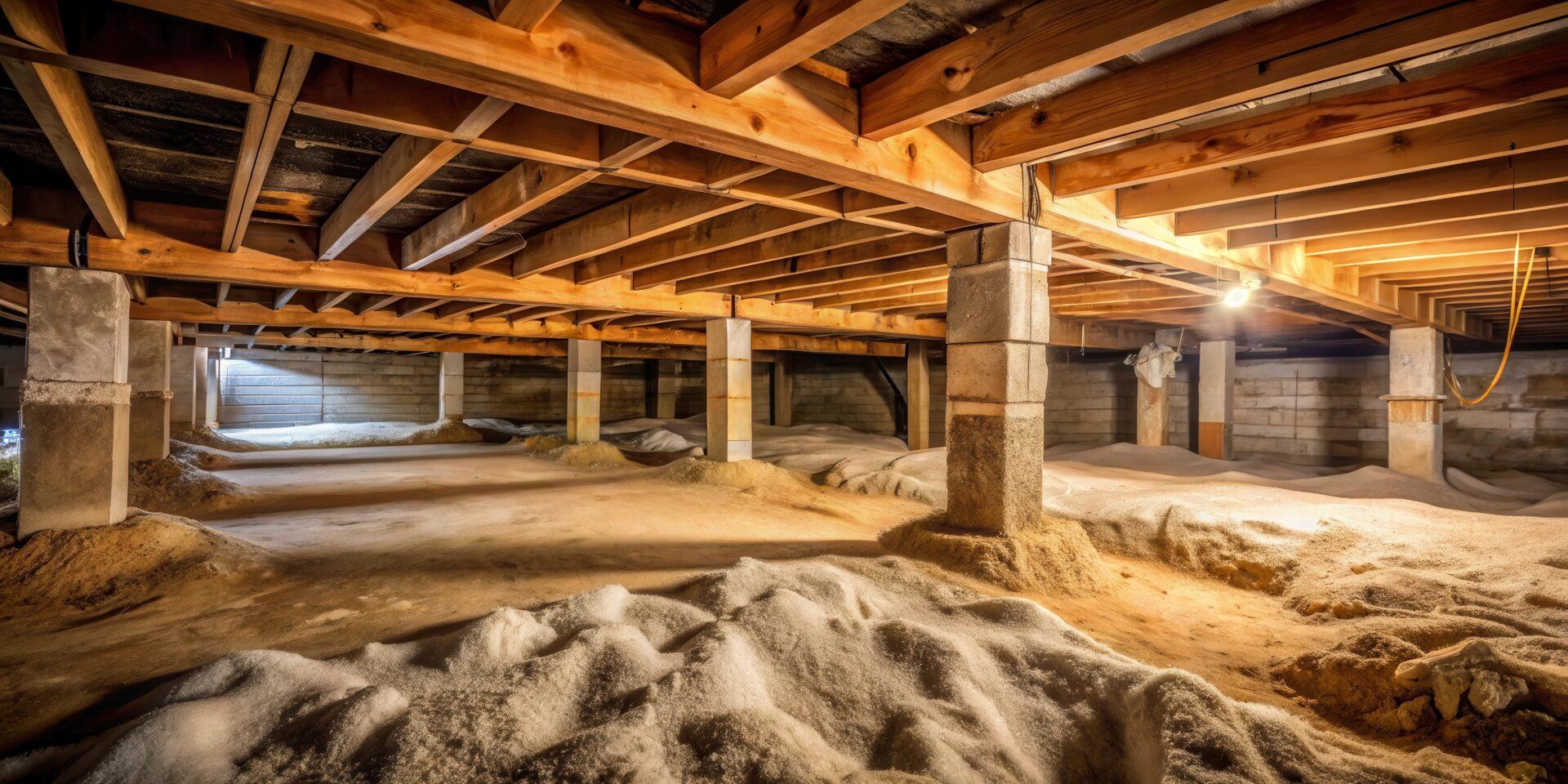
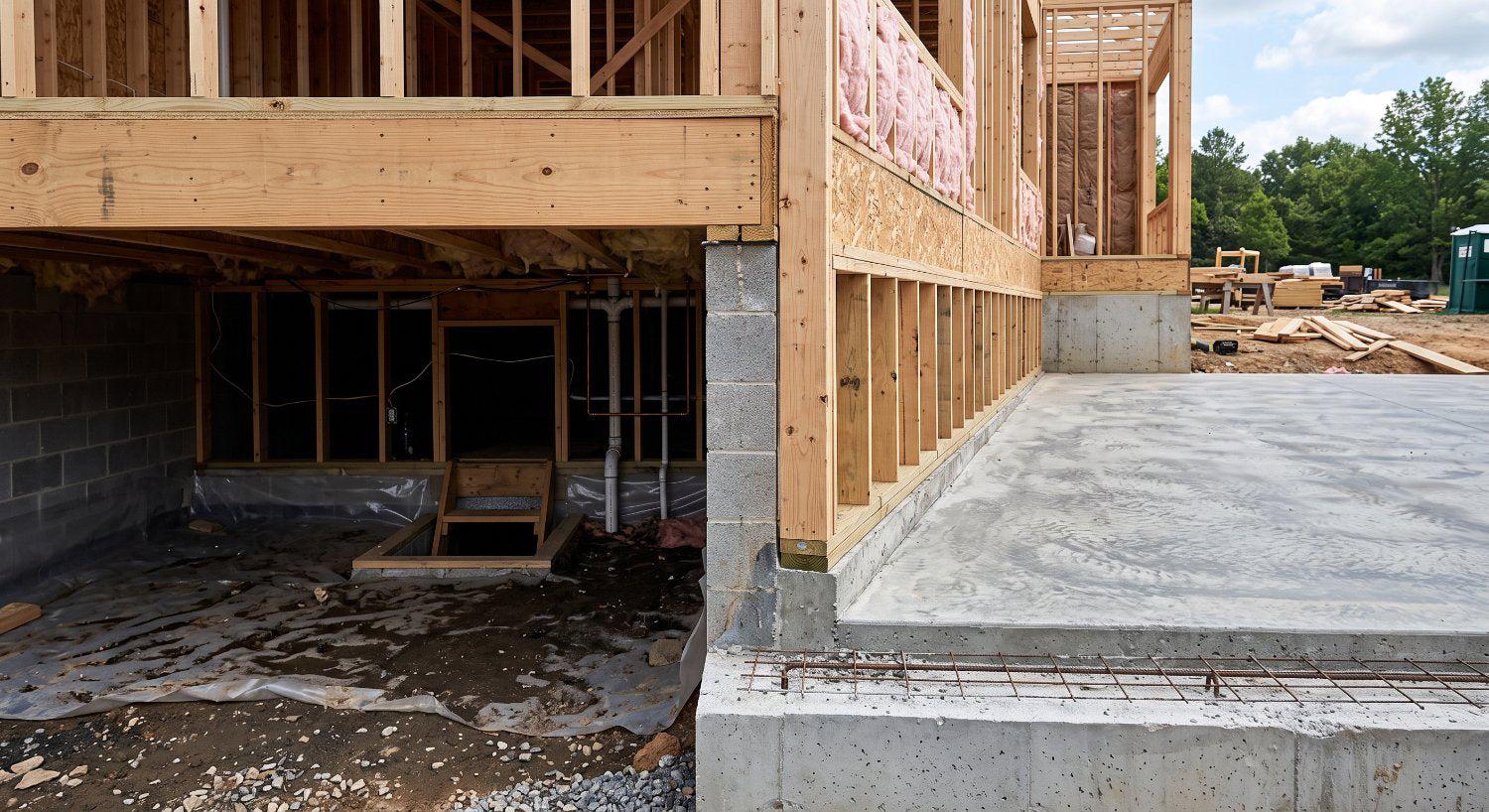
You might find newer lumber beside older framing, different types of insulation from one area to another, or plumbing materials that clearly come from different periods.
None of these differences automatically indicate a problem.
Instead, they can simply show how the home has evolved.
Looking at the crawl space as part of the home's history can make those differences much easier to understand.
Wood Framing Can Tell Part of the Story
The wood beneath your floors is one of the clearest places to look for clues.
Joists, beams, posts, and subflooring may reveal where repairs or modifications have taken place.
For example, one section of framing might look noticeably newer than the surrounding wood. Additional supports may have been installed beneath a particular room. You may also see differences where an addition was connected to the original structure.
Even small details can tell a story.
Changes in lumber size, fasteners, construction techniques, or wood color may suggest that different parts of the crawl space were built or repaired at different times.
Older wood can also develop natural variations in appearance as it ages.
That is why context matters. A darker section of wood does not necessarily mean there is an active moisture problem today. Sometimes the appearance simply reflects age or previous conditions.
Plumbing Often Reveals Previous Updates
Plumbing is another useful clue.
Older homes may contain a mixture of plumbing materials because different sections were updated at different times.
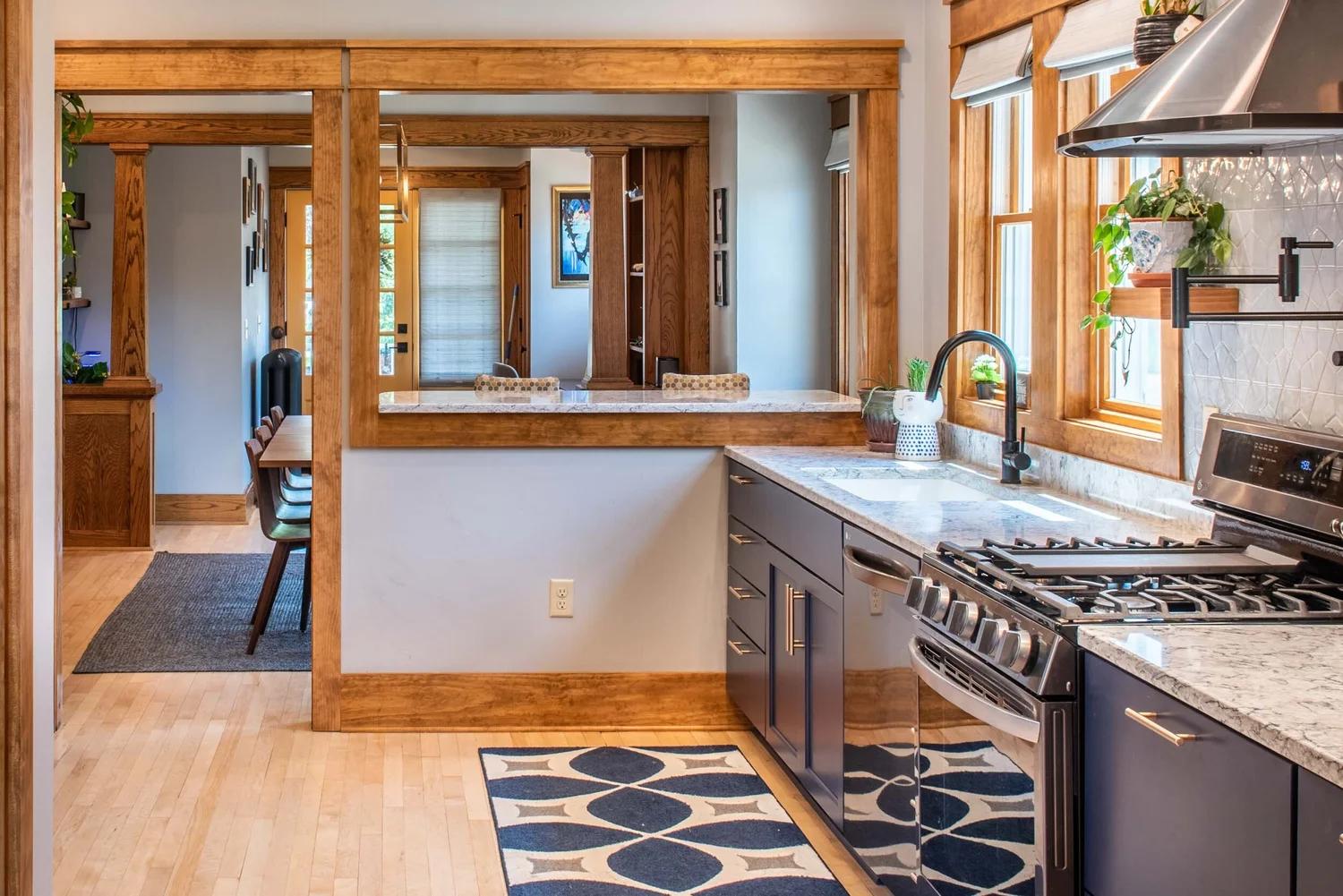
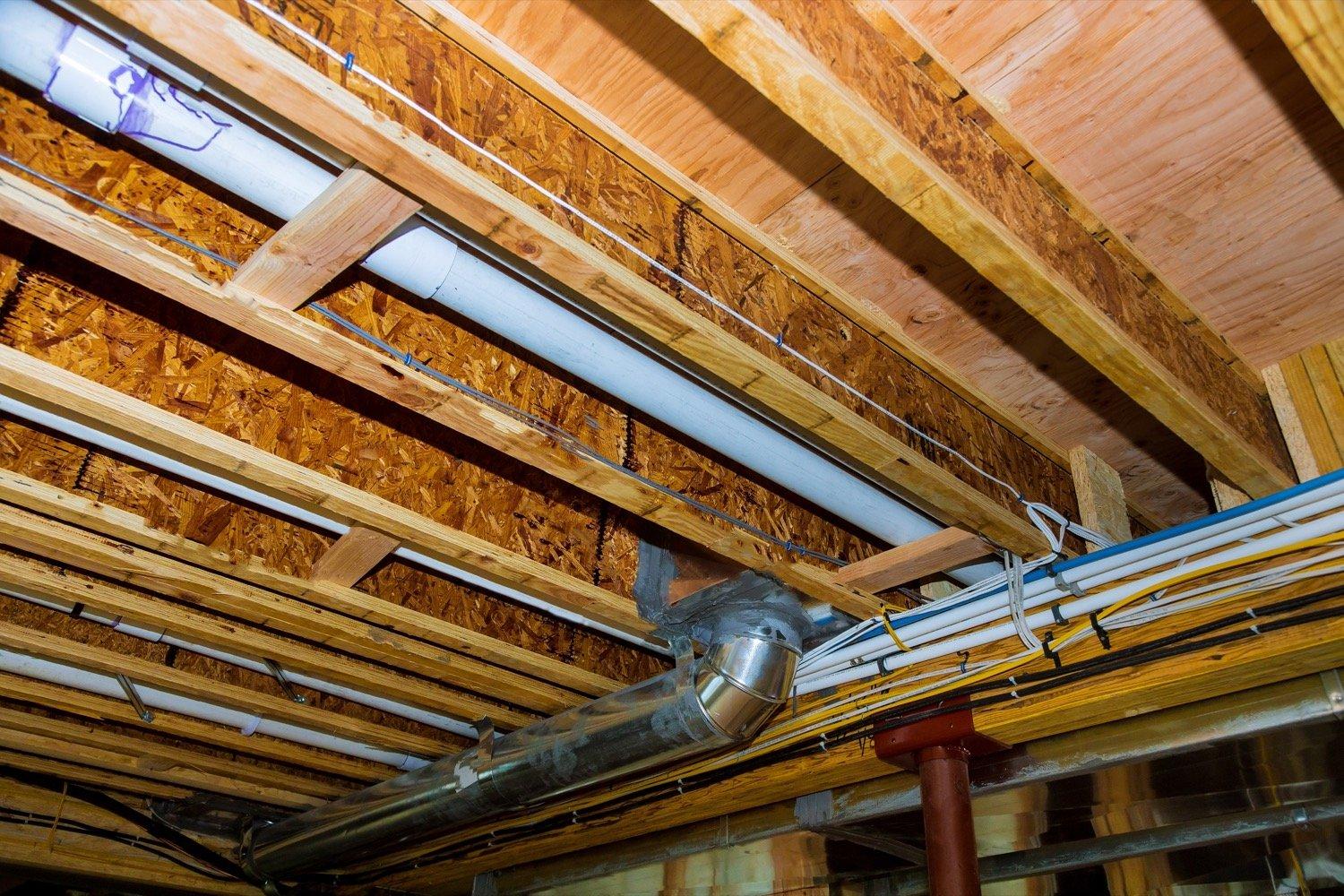
A bathroom renovation might introduce newer supply lines or drains while plumbing elsewhere remains older. A remodeled kitchen can create a similar pattern.
You may also notice where pipes were rerouted through joists or where older penetrations are no longer being used.
These details can help explain why one part of a crawl space looks different from another.
They can also show how changes made upstairs affected the space below.
The beautiful modern bathroom you see today may sit above plumbing that has been modified several times throughout the home's history.
Insulation Can Show How the Home Has Been Maintained
Insulation can also provide clues about previous improvements.
Some crawl spaces contain insulation that was installed all at once. Others show several generations of work.
One area might have newer insulation while another section contains older material. There may be differences beneath renovated rooms or places where plumbing and electrical work required insulation to be moved.
Over time, insulation can also sag, shift, or develop gaps.
These changes do not always happen uniformly throughout the crawl space.
Looking at the overall pattern can help homeowners understand whether the insulation appears to have changed gradually or whether certain areas were updated separately.
Previous Repairs May Still Be Visible
Homes accumulate repairs over the years, and crawl spaces often preserve evidence of them.
You might notice reinforced framing, replaced sections of wood, patched penetrations, additional support posts, or plumbing repairs.
In some cases, the original reason for the repair may no longer be obvious.
A homeowner may see newer lumber and wonder why it is there. The answer could be anything from an old plumbing issue to a previous remodeling project or structural improvement.
This is another reason not to judge a crawl space based on a single detail.
Understanding how several clues relate to one another can provide a much better picture.
Past Moisture Can Leave Clues Behind
Moisture conditions also change over the life of a home.
A drainage issue that existed years ago may have been corrected. Gutters may have been replaced. Downspouts may have been redirected. Landscaping around the foundation may have changed.
Even after conditions improve, some evidence of the past may remain.
Wood can retain discoloration. Soil may look different in certain areas. Old water marks may remain visible around foundation materials.
In the Pacific Northwest, where extended periods of wet weather are common, these historical clues can be especially important to interpret carefully.
A sign of previous moisture is not automatically evidence of an active problem.
The important question is whether conditions are currently stable or continuing to change.
Additions Can Create Very Different Crawl Space Areas
Home additions can make crawl spaces particularly interesting.
If a house was expanded years after it was originally built, the crawl space beneath the addition may look noticeably different.
Foundation materials may change. Framing may be newer. The ground level might be slightly different. Insulation, ventilation, or access may also vary.
In some homes, you can almost identify the boundary between the original house and the newer addition from underneath.
These differences can also influence how moisture, temperature, and airflow behave.
Two areas beneath the same house may respond differently simply because they were constructed at different times.
The Crawl Space Can Explain Changes You See Upstairs
Sometimes clues beneath the house help explain features above it.
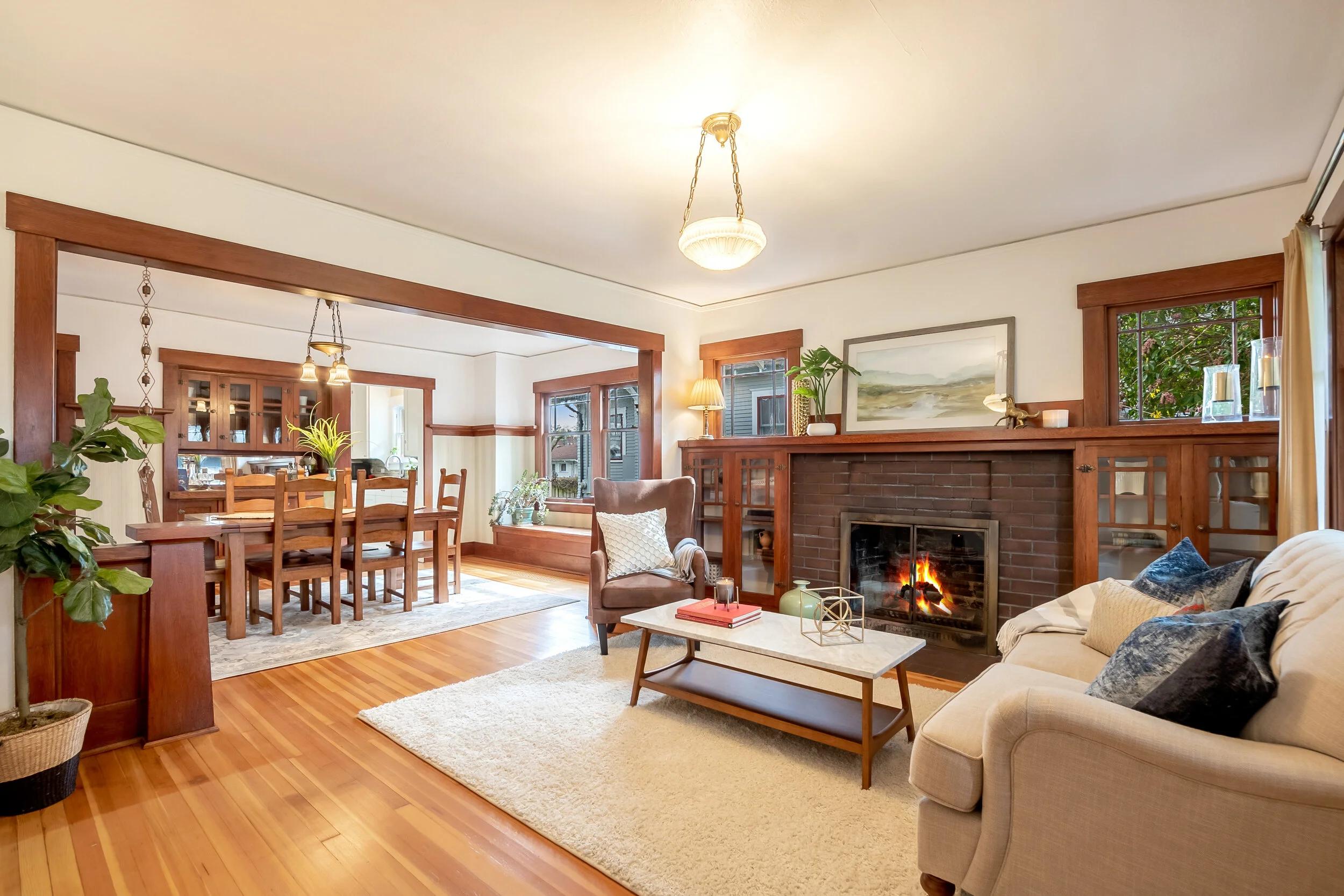
A reinforced section of framing might correspond with a remodeled room. New plumbing may line up with an updated bathroom. Different insulation may sit beneath an addition.
Even changes in flooring can sometimes correspond with work visible below.
Thinking about the house as one connected structure helps put these details into context.
The crawl space is not separate from the living space. It is part of the same building, and changes made above often leave evidence below.
Every Crawl Space Has Its Own Story
There is no single appearance that every crawl space should have.
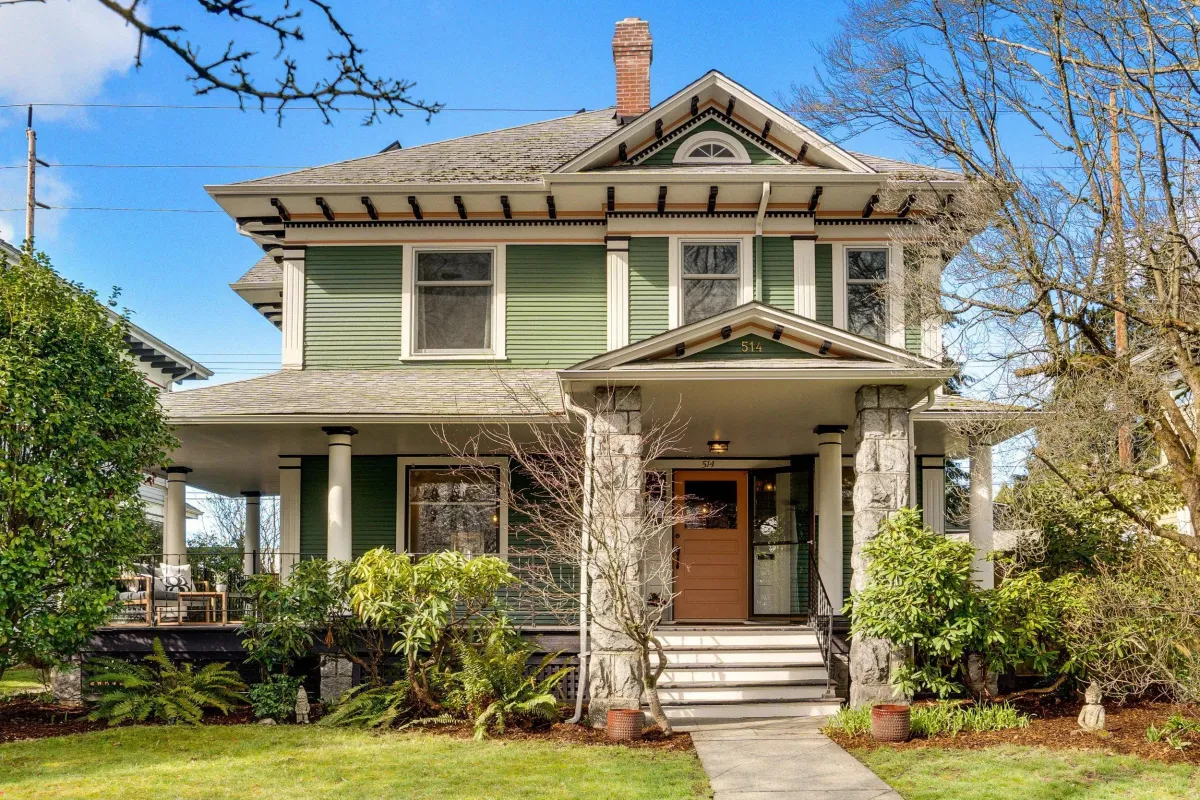
A newer home may have relatively uniform materials throughout. An older Tacoma craftsman home may contain decades of repairs, upgrades, plumbing changes, insulation work, and other modifications.
That history is not necessarily something to worry about.
What matters is understanding the difference between evidence of the past and conditions that are actively changing today.
Stable older repairs, historical discoloration, or different building materials may simply be part of the home's story.
New moisture, changing insulation, active leaks, or continuing wood deterioration are different because they suggest something is happening now.
Understanding What Is Beneath Your Home
Most of a home's history is visible only in pieces.
A remodeled kitchen tells one part of the story. An older hardwood floor tells another. The crawl space can connect many of those pieces together.
Wood framing can reveal previous construction. Plumbing can show renovations. Insulation can reflect years of maintenance. Foundation materials may identify additions, while subtle marks can preserve evidence of earlier moisture conditions.
For homeowners in Tacoma and throughout the Puget Sound, understanding these details can provide useful context about how a home has changed over time.
Your crawl space does not need to look brand new to be healthy.
Sometimes the most important thing is simply knowing which signs belong to the home's past and which ones may be telling you something about its condition today.
