
What Floor Joists Beneath Your Home Can Reveal
Most homeowners spend plenty of time maintaining the visible parts of their homes, from flooring and walls to windows and roofing. However, some of the most important structural components are located beneath the floors, where they rarely receive attention.
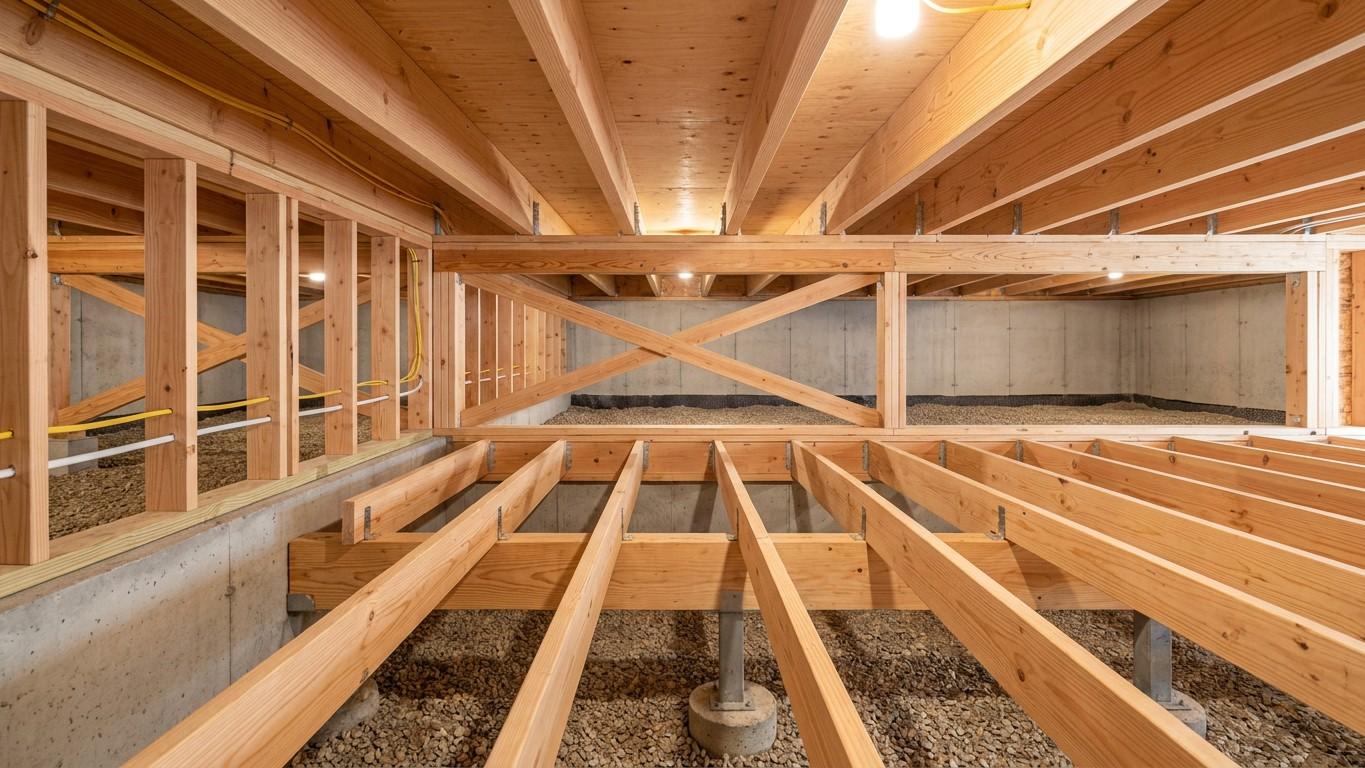
Floor joists are horizontal framing members that help support the floors above. In homes with crawl spaces, these wooden components are often visible from below, making them useful indicators of the conditions beneath the home.
For homeowners in Tacoma and throughout Puget Sound, understanding what floor joists can reveal is particularly valuable because of the region's frequent rainfall and seasonal moisture changes.
Floor Joists Play an Important Role in Your Home's Structure
Floor joists support the subfloor and help distribute loads to beams, walls, and other structural supports.
Although homeowners rarely see them, their condition matters for the stability and performance of the floors above.
A typical crawl space may contain:
Wooden floor joists running beneath the subfloor
Support beams and posts
Insulation installed between joists
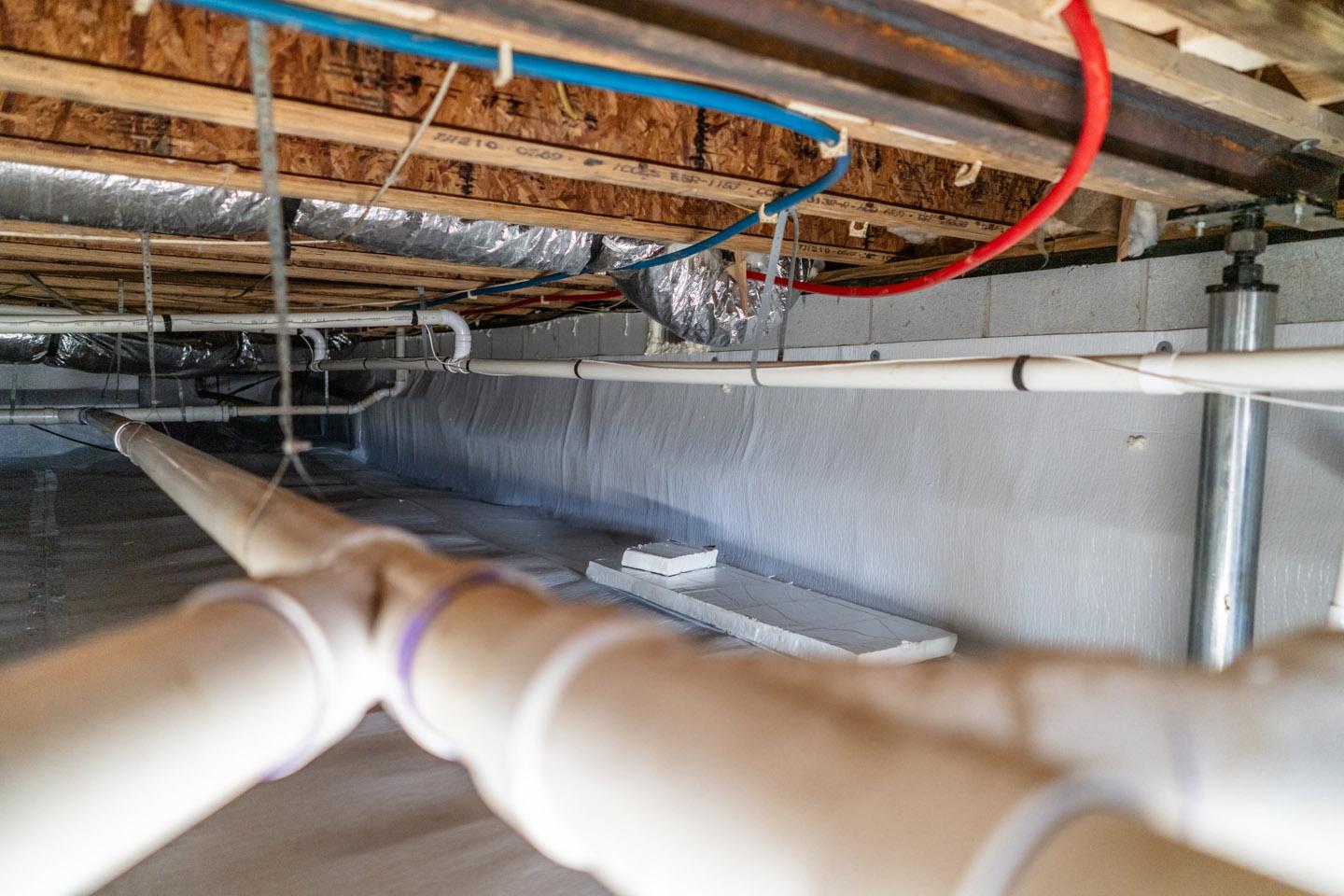
Plumbing and electrical lines
Foundation walls and ventilation openings
Examining these components together can provide a clearer understanding of the crawl space's overall condition.
Wood Discoloration Can Provide Clues About Moisture Exposure
One of the first details worth observing is the appearance of the wood.
Floor joists may develop darker areas or visible staining after exposure to moisture. These changes can sometimes indicate past leaks, condensation, or elevated humidity.
However, not every dark spot means the wood is damaged.
Some discoloration may be related to natural wood characteristics, construction materials, or older moisture events that are no longer active.
The important question is whether the surrounding conditions suggest ongoing moisture exposure.
Looking at nearby insulation, plumbing, and foundation surfaces can help provide additional context.
Seasonal Rainfall Can Influence Conditions Around Floor Joists
Tacoma and Puget Sound experience extended periods of wet weather, particularly during fall and winter.
As rainwater enters the surrounding soil, moisture conditions near a home's foundation can change.
Depending on drainage, ground coverage, and crawl space design, this moisture may contribute to elevated humidity beneath the home.
Wooden framing can absorb and release moisture as surrounding conditions change.
Occasional fluctuations are normal, but persistently damp conditions can create an environment where wood deterioration becomes more likely.
This is why moisture management around the foundation is an important part of protecting the framing beneath a home.

Changes in Wood Texture May Deserve a Closer Look
The surface of a floor joist can sometimes reveal more than its color.
Wood that appears unusually soft, crumbly, or visibly deteriorated may have experienced prolonged moisture exposure or other damage.
Other observations may include:
Flaking or deteriorating wood surfaces
Unusual cracking or splitting
Areas that appear distorted or weakened
Visible fungal growth or suspicious surface deposits
Some cracks and surface variations are normal characteristics of lumber.
However, significant deterioration or changes affecting structural members should be evaluated by a qualified professional rather than judged by appearance alone.
Floor Joists Can Help Explain Certain Changes Upstairs
Sometimes, conditions beneath a home become noticeable through changes in the floors above.
Homeowners may observe areas that feel uneven, unusually flexible, or different from surrounding rooms.
These symptoms can have several causes, including normal building movement, subfloor issues, installation conditions, or structural concerns.
In some cases, damaged floor joists or supporting components may contribute.
However, a floor that creaks or feels slightly uneven does not automatically indicate crawl space damage.
The relationship between the floor above and the framing below needs to be assessed carefully before identifying a cause.
Insulation Around Floor Joists Can Reveal Additional Information
In many traditional vented crawl spaces, fiberglass insulation is installed between wooden floor joists.
The condition of this insulation can provide useful clues about the surrounding environment.
For example, insulation that has shifted, sagged, or become discolored may indicate changes in support, moisture exposure, or previous maintenance work.
Insulation that is compressed or missing can also affect thermal performance and contribute to uncomfortable floor temperatures.
When examining floor joists, it is helpful to consider both the visible wood and the insulation installed around it.
Different crawl space designs require different insulation approaches, so the appropriate installation depends on the home's overall moisture and thermal strategy.
Plumbing Near Floor Joists Can Reveal Localized Moisture Problems
Plumbing lines often run through or alongside floor framing beneath kitchens, bathrooms, and laundry rooms.
Small leaks may develop around pipe joints, fittings, or drain connections without immediately becoming noticeable upstairs.
Over time, nearby wooden framing or insulation may show signs of repeated moisture exposure.
Potential clues include localized staining, damp materials, or visible changes near plumbing connections.
These signs do not necessarily confirm an active leak, but they can help identify areas that deserve further investigation.
Checking the relationship between plumbing and nearby framing can be especially useful when moisture appears concentrated in one part of the crawl space.
Not Every Crawl Space Has the Same Conditions
Two homes in the same Tacoma neighborhood can have very different crawl space environments.
Differences in construction, drainage, ventilation, insulation, and foundation design all influence conditions beneath the floor.
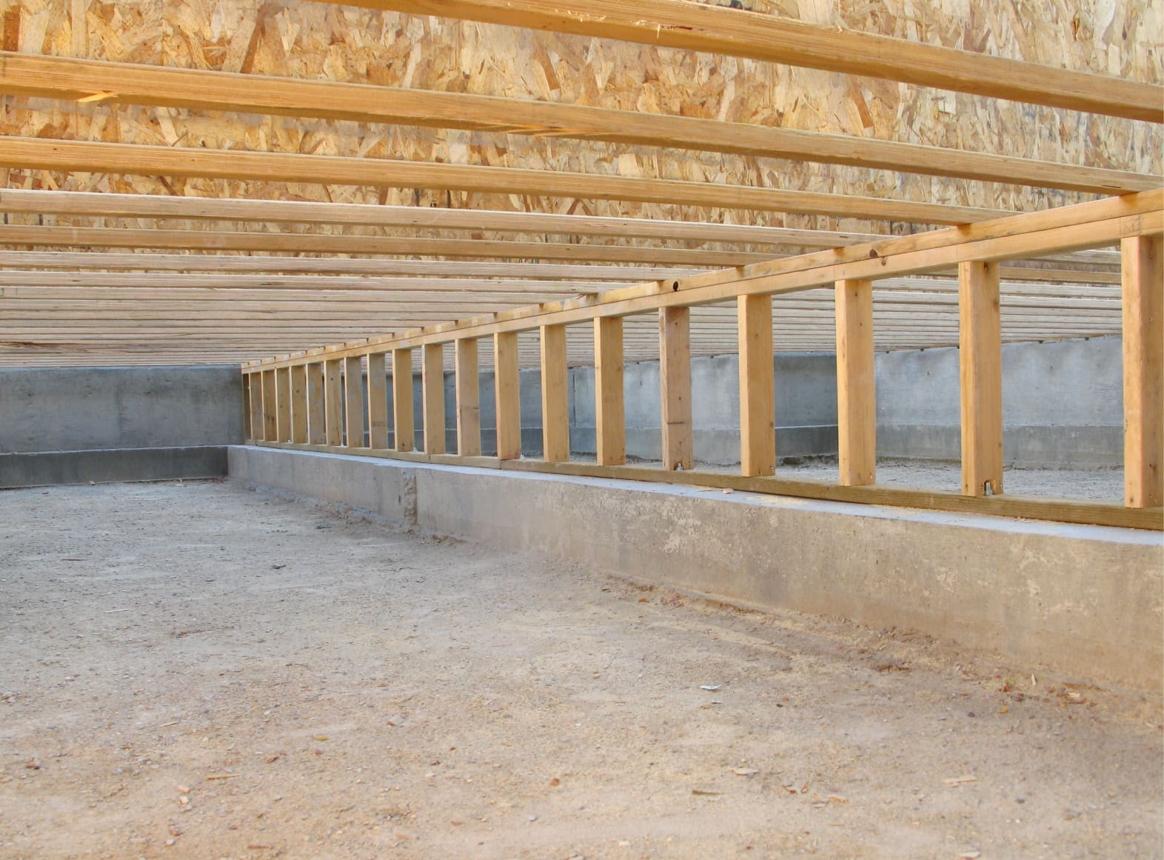
One home may have exposed soil and traditional foundation vents, while another may have a sealed ground vapor barrier and a more controlled crawl space environment.
These differences affect how moisture and temperature interact with wooden framing.
For this reason, floor joist conditions should always be interpreted within the context of the entire crawl space rather than compared with another home based on appearance alone.
Regular Observations Can Help Identify Changes Over Time
One of the benefits of periodically evaluating a crawl space is the opportunity to recognize changes.
A single inspection provides information about current conditions, but observations made over time can reveal developing patterns.
Homeowners and qualified inspectors may pay attention to:
New staining or discoloration
Changes in insulation position
Moisture around plumbing connections
Deterioration of exposed wood
Changes in ground moisture or vapor barrier coverage
Keeping photographs or inspection records can make it easier to compare conditions between seasons.
The goal is not to assume every visible change represents a serious problem, but to recognize when additional evaluation may be appropriate.
Protecting Floor Joists Starts With Managing the Crawl Space Environment
Maintaining healthy wooden framing involves more than inspecting the joists themselves.
The surrounding crawl space environment plays an important role in how these materials perform over time.
Effective maintenance may involve evaluating exterior drainage, maintaining appropriate ground moisture control, addressing plumbing leaks, and ensuring insulation and ventilation strategies suit the home's construction.
In Tacoma and Puget Sound, where wet weather is a regular part of the year, these considerations are especially relevant.
When moisture conditions are managed appropriately, the wooden components beneath a home are better positioned to perform as intended.
Your Floor Joists Can Tell a Bigger Story
Floor joists do more than support the floors above. Their appearance and condition can provide valuable information about moisture exposure, insulation performance, plumbing concerns, and the overall crawl space environment.
For Tacoma and Puget Sound homeowners, understanding these details can help make crawl space maintenance more informed and preventative.
A home may appear perfectly normal upstairs while conditions beneath the floor gradually change.
Paying attention to the wooden framing below can help identify potential concerns and support the long-term condition of the home.
