
Why Your Crawl Space Stays Damp (Even During Dry Weather)
It’s easy to assume that crawl space moisture is only a problem when it’s raining. But many homeowners are surprised to find that their crawl space stays damp—even after days or weeks of dry weather.
The reality is that moisture beneath your home doesn’t just come from rain. It can build up from multiple hidden sources and remain trapped if the space isn’t properly protected.
Over time, that persistent dampness can lead to musty odors, poor air quality, higher energy costs, pest activity, and even structural damage. Understanding why your crawl space stays damp is the first step toward preventing those issues.
Moisture Doesn’t Just Come From Rain
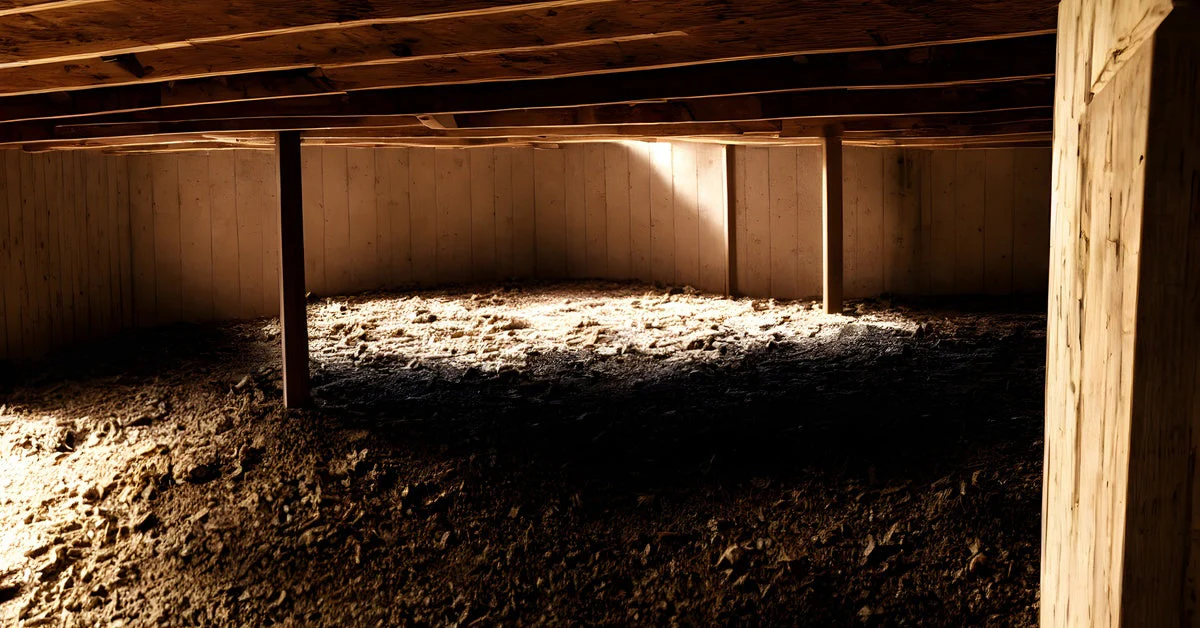
One of the biggest misconceptions about crawl spaces is that moisture only enters during storms. In reality, the ground beneath your home is a constant source of moisture.
Soil naturally holds water, and that moisture slowly evaporates upward. Even when the weather is dry, the ground can continue releasing water vapor into the crawl space. Without a proper barrier in place, that moisture builds up and lingers.
This is why many crawl spaces feel humid year-round—not just during rainy seasons.
Over time, this constant exposure to ground moisture can:
Raise humidity levels
Create musty odors
Contribute to mold growth
Because it happens gradually, many homeowners don’t realize it’s an issue until the effects become noticeable.
Humidity Gets Trapped Beneath Your Home
Even when outside conditions feel dry, humidity can still find its way into your crawl space—and once it’s there, it doesn’t always leave.
Many crawl spaces rely on vents for airflow, but in humid climates, those vents can actually bring moisture inside instead of removing it. When warm air enters and cools beneath the home, it creates a damp environment that can persist long after the weather changes.
The result is a space where moisture becomes trapped rather than ventilated.
This often leads to:
Consistently high humidity levels
Condensation on surfaces
A damp, stagnant environment
Because this process happens slowly, it’s easy to overlook until it starts affecting the home above.
Water Around Your Foundation Doesn’t Disappear Quickly
Even after the rain stops, moisture around your home doesn’t immediately go away.
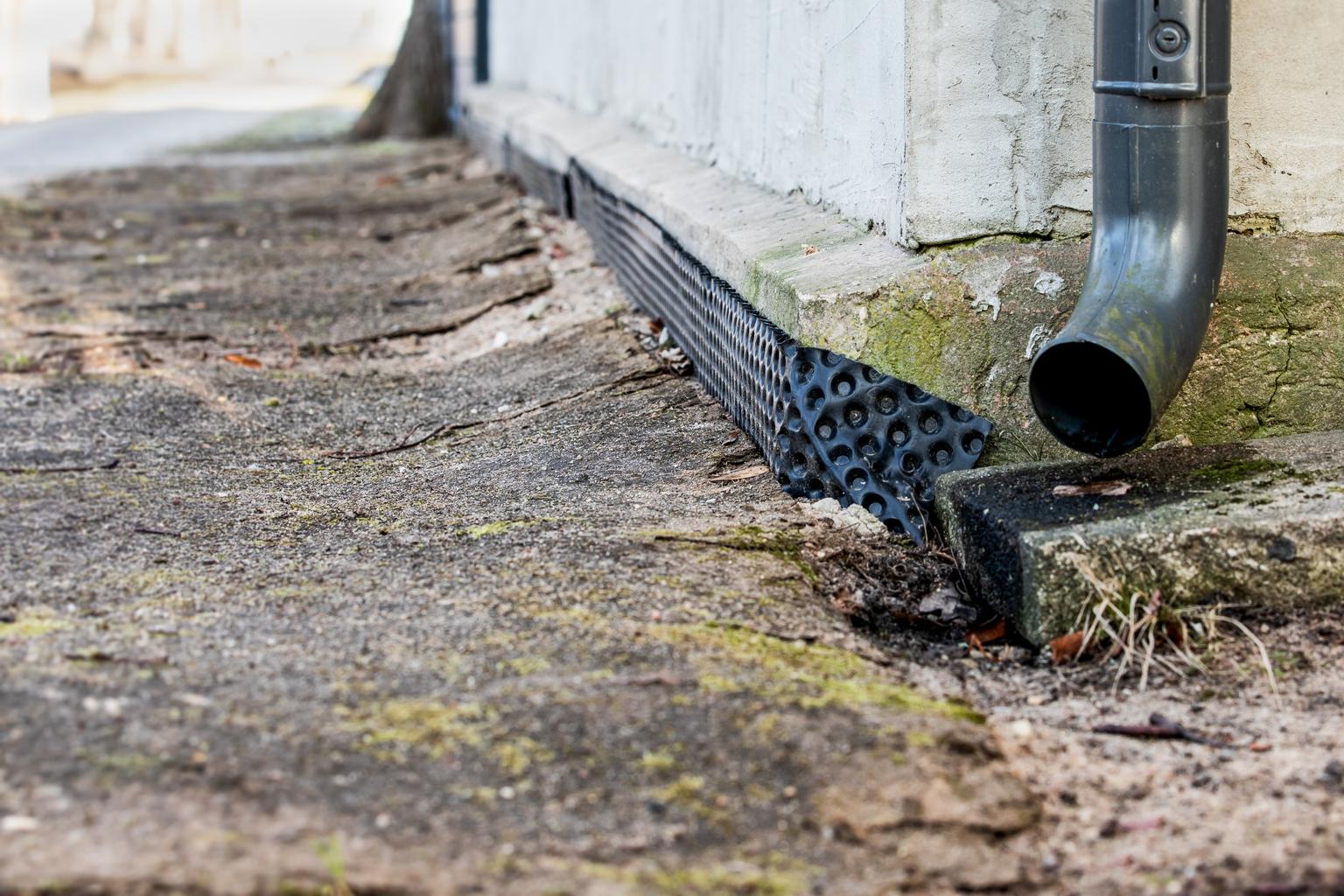
If your property has poor drainage, water can collect near the foundation and soak into the surrounding soil. That moisture lingers beneath the surface and continues to affect the crawl space over time.
This means your crawl space can stay damp long after everything looks dry from the outside.
Common causes include:
Improper grading around the home
Downspouts releasing water too close to the foundation
Soil that retains moisture for extended periods
These issues may seem minor, but they can create a steady source of moisture that never fully dries out.
Condensation Can Create Moisture Without Any Leaks
Not all moisture comes from water entering the crawl space—sometimes it forms inside the space itself.
Condensation happens when warm, humid air meets cooler surfaces like pipes, ductwork, or wood framing. This causes water droplets to form, even when there’s no visible leak.
Over time, this repeated condensation can add significant moisture to the crawl space.
You might notice:
Water droplets on pipes or ducts
Damp wood or insulation
A humid feeling without standing water
This is one of the more subtle causes of crawl space moisture, but it can have a major impact if left unaddressed.
An Unsealed Crawl Space Allows Moisture to Build Up
When a crawl space isn’t properly sealed, it’s constantly exposed to outside conditions.
Open vents, gaps, and uncovered ground allow moisture to enter from multiple sources—whether it’s humidity in the air, vapor from the soil, or water near the foundation. Without a system in place to control that moisture, it continues to accumulate.
Over time, this can lead to:
Persistent dampness
Mold and mildew growth
Reduced insulation performance
Increased energy costs
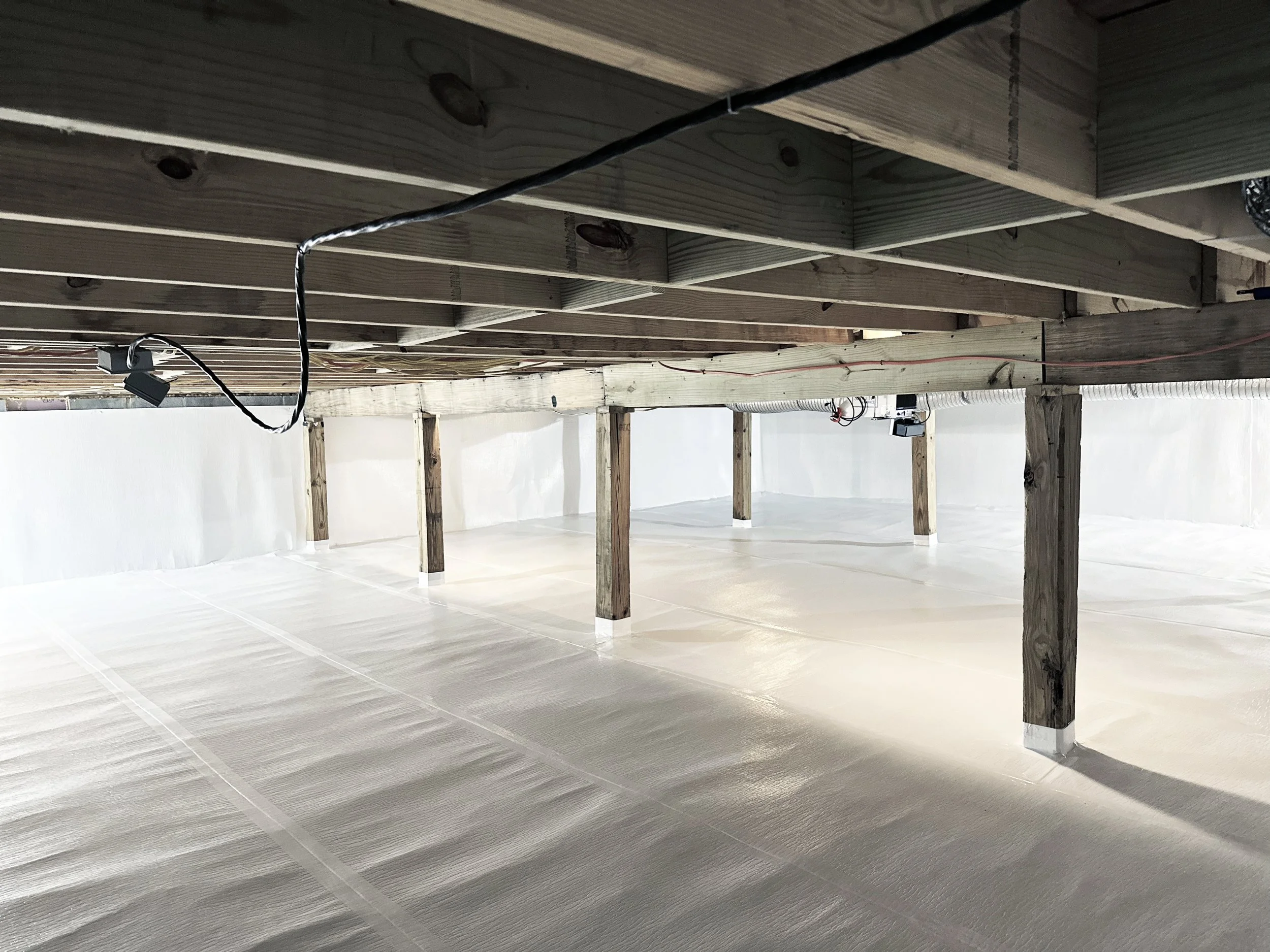
A properly sealed crawl space helps create a controlled environment where moisture is no longer able to build up unchecked.
Why This Matters for Your Home
Moisture in your crawl space doesn’t stay contained—it affects the entire home.
Air from the crawl space naturally moves upward into your living space. When that air carries humidity, odors, or contaminants, it can impact your comfort, your health, and your home’s efficiency.
Left untreated, crawl space moisture can lead to:
Poor indoor air quality
Higher energy bills
Structural wear over time
Ongoing pest issues
Because these problems develop gradually, they often go unnoticed until they become more serious.
Conclusion
A damp crawl space isn’t always caused by rain. In many cases, it’s the result of ongoing moisture from the ground, trapped humidity, drainage issues, condensation, and lack of proper sealing.
Even during dry weather, these factors can keep your crawl space consistently damp if they aren’t addressed.
Understanding these hidden causes is the first step toward protecting your home. Keeping your crawl space dry, sealed, and properly maintained helps prevent long-term damage, improves comfort, and supports a healthier living environment.
